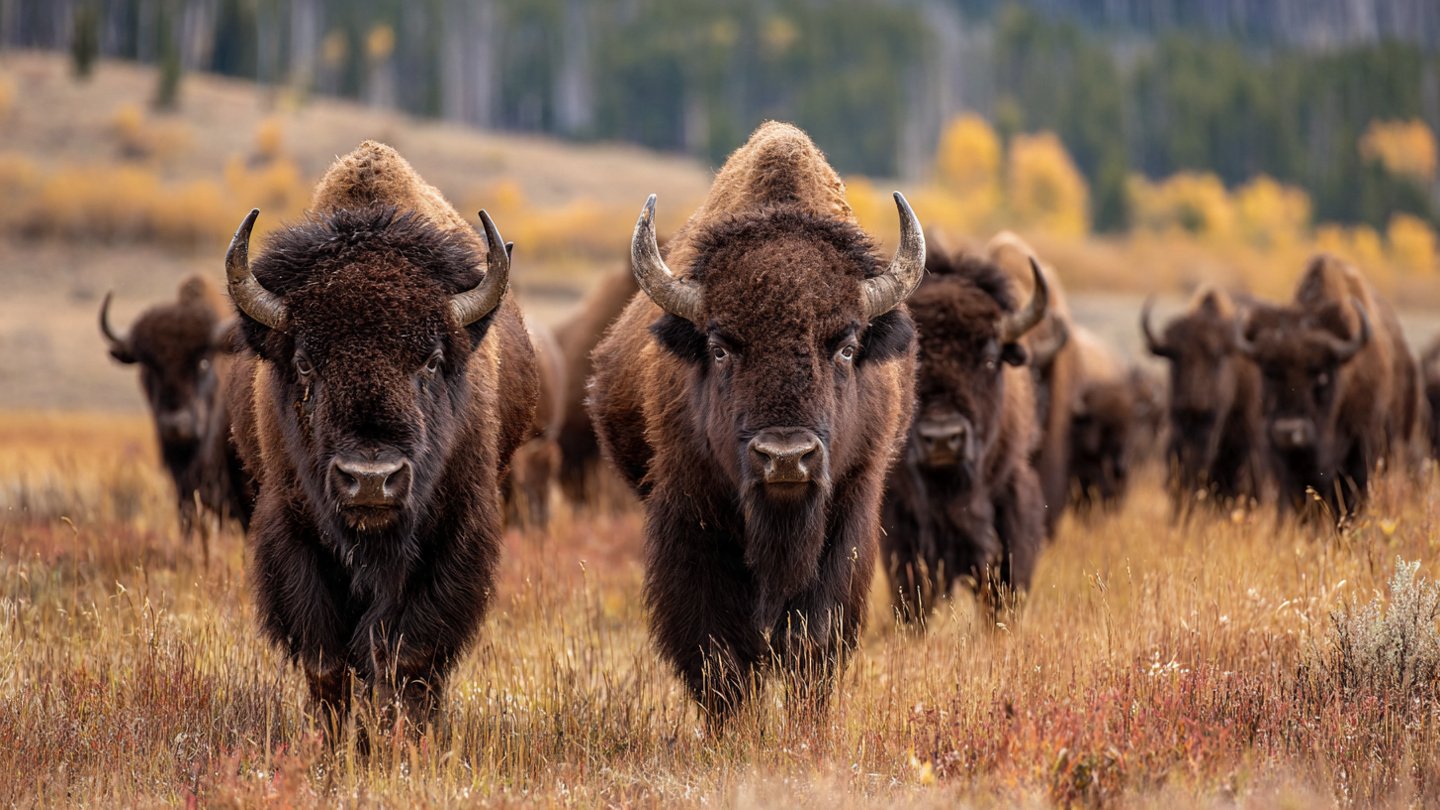
Modern agriculture has long relied on heavy machinery, synthetic fertilizers, and intensive land management to maintain productivity. While these tools have increased yields in the short term, they have also contributed to soil compaction, biodiversity loss, and declining ecosystem health. Across various regions, however, a powerful alternative is gaining momentum. More than 20,000 rewilded cattle are now being used as living tools to regenerate farmland—naturally fertilizing soil, improving biodiversity, and restoring landscapes once degraded by industrial farming practices. This approach is redefining how we think about food production and land stewardship.
What Does Rewilding Cattle Mean?
Rewilding cattle doesn’t mean abandoning farming altogether. Instead, it involves allowing cattle to live and move in ways that more closely resemble natural grazing systems. Rather than being confined to feedlots or tightly managed pastures, rewilded cattle roam across large areas, grazing selectively and interacting with the land as part of a functioning ecosystem.
This method mimics the behavior of ancient grazing herds that shaped grasslands for thousands of years. Their movement, grazing patterns, and natural waste cycles play a critical role in maintaining healthy soils and diverse habitats.
Replacing Heavy Machinery with Hooves
One of the most remarkable aspects of rewilded cattle is their ability to replace heavy agricultural machinery. Tractors, plows, and tillers compact soil, disrupt microbial life, and increase fuel consumption. In contrast, cattle hooves gently break up the soil surface, helping organic matter integrate naturally without deep disturbance.
As cattle move, they trample plant material into the ground, creating a protective mulch layer. This organic cover reduces erosion, improves water retention, and feeds soil organisms. Over time, the land becomes more resilient, requiring less mechanical intervention.
Natural Fertilization Through Grazing
Unlike synthetic fertilizers that can leach into waterways and harm ecosystems, cattle provide fertilizer exactly where it’s needed. Their manure and urine return nutrients directly to the soil in a balanced, organic form.
This natural fertilization:
- Boosts soil organic matter
- Encourages beneficial microbes and fungi
- Improves nutrient cycling
- Reduces dependence on chemical inputs
As soil fertility improves, plants grow stronger and more diverse, creating a self-sustaining system that continues to enrich itself season after season.
Boosting Biodiversity Above and Below Ground
Rewilded cattle play a crucial role in restoring biodiversity. Their grazing creates varied plant heights and open spaces, allowing a wider range of plant species to thrive. This diversity supports insects, birds, and small mammals that depend on complex habitats.
Below the surface, soil life flourishes. Earthworms, microbes, and mycorrhizal fungi increase in number, forming intricate networks that transport nutrients and improve soil structure. Healthy soil becomes a living ecosystem rather than an inert growing medium.
Regenerating Degraded Farmland
Farmland that has been overworked or chemically depleted often struggles to recover. Rewilded cattle offer a practical solution for regeneration. Through managed grazing, land that was once compacted and lifeless can regain structure, fertility, and productivity.
As grasses recover and root systems deepen, carbon is drawn from the atmosphere and stored in the soil. This not only improves farm resilience but also contributes to climate mitigation efforts by increasing carbon sequestration.
Water Retention and Climate Resilience
Healthy soil acts like a sponge. With improved organic matter and root networks, rewilded grazing systems significantly enhance water retention. During heavy rains, water infiltrates the soil instead of running off, reducing erosion and flooding. During droughts, stored moisture helps plants survive longer dry periods.
This resilience is increasingly important as climate patterns become more unpredictable. Farms that rely on natural processes rather than mechanical systems are often better equipped to adapt to environmental stress.
Economic Benefits for Farmers
Beyond environmental advantages, rewilded cattle systems can be economically viable. Reducing reliance on fuel, machinery, and chemical inputs lowers operating costs. Healthier land also supports consistent long-term productivity rather than short-lived gains.
Additionally, farms practicing regenerative grazing often attract interest from consumers seeking ethically produced food. This can open opportunities for premium markets, agritourism, and diversified income streams.
A Shift in Agricultural Thinking
The success of rewilded cattle represents a broader shift in how agriculture views its relationship with nature. Instead of forcing land to produce through external inputs, regenerative systems work with natural processes to achieve balance.
This approach doesn’t reject technology entirely but reconsiders where and how it’s used. By allowing animals to perform ecological functions they evolved to do, farmers can reduce intervention while improving outcomes for both land and livestock.
Challenges and Considerations
Transitioning to rewilded cattle systems isn’t without challenges. It requires careful planning, adequate land, and an understanding of grazing dynamics. Monitoring animal movement and ensuring welfare remain essential components of success.
However, as knowledge and experience grow, many farmers find that the long-term benefits outweigh the initial adjustments. Support networks, research, and shared experiences are making regenerative grazing more accessible worldwide.
Conclusion
The use of more than 20,000 rewilded cattle to replace heavy machinery marks a powerful turning point in modern agriculture. By naturally fertilizing soil, boosting biodiversity, and regenerating farmland, these animals are helping restore ecosystems while supporting sustainable food production. This living, breathing approach to farming proves that progress doesn’t always come from bigger machines—it can come from working in harmony with nature itself.