Cholesterol is a necessary component of our bodies, but when levels of LDL (low-density lipoprotein, the “bad” cholesterol) rise too high, it can increase the risk of heart disease, stroke, and other cardiovascular issues. While medications are often prescribed to control cholesterol, making smart dietary choices can be a natural and effective way to maintain healthy cholesterol levels. Among the most powerful options are certain vegetables, often referred to as “miracle veggies” due to their heart-protective properties.
These vegetables not only provide essential vitamins, minerals, and fiber but also contain compounds that actively help reduce LDL cholesterol and improve overall heart health. Incorporating them into your daily diet can have long-term benefits without drastic lifestyle changes.
Understanding Cholesterol and Its Risks
Before diving into specific vegetables, it’s helpful to understand cholesterol itself.
- LDL (bad cholesterol): Can accumulate in artery walls, forming plaques and increasing the risk of heart disease.
- HDL (good cholesterol): Helps remove excess cholesterol from the bloodstream.
- Triglycerides: Another type of fat that, in high levels, can raise cardiovascular risk.
A balanced diet rich in fiber, antioxidants, and plant sterols can lower LDL levels while maintaining or even increasing HDL cholesterol. Vegetables play a critical role in this balance.
1. Spinach: The Green Cholesterol Fighter
Spinach is packed with soluble fiber, which binds to cholesterol in the digestive system and helps remove it from the body. Additionally, spinach contains lutein and beta-carotene, antioxidants that protect arteries from oxidative damage.
- How to consume: Use fresh leaves in salads, soups, or smoothies. Lightly sautéing preserves most nutrients.
- Benefit: Regular consumption can improve overall lipid profiles and reduce LDL cholesterol.
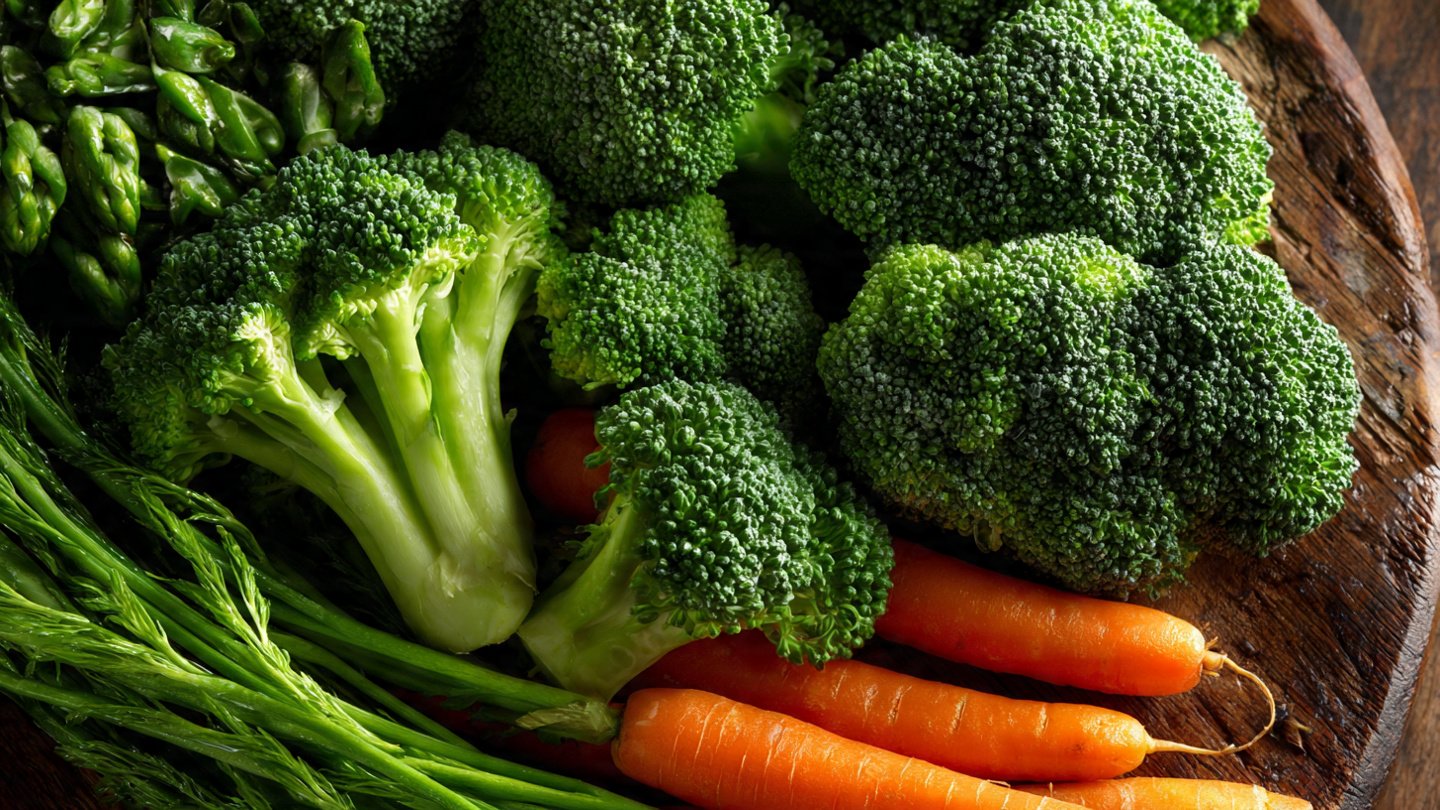
2. Broccoli: A Fiber and Antioxidant Powerhouse
Broccoli is rich in soluble fiber, vitamin C, and plant sterols—compounds that block cholesterol absorption in the intestines. Its high antioxidant content also supports heart health.
- How to consume: Steam, lightly stir-fry, or add to soups and casseroles. Avoid overcooking to retain nutrients.
- Benefit: Helps reduce LDL while supporting healthy arterial function.
3. Carrots: Crunchy and Cholesterol-Lowering
Carrots contain soluble fiber called pectin, which binds to cholesterol and prevents its absorption. Additionally, their beta-carotene content supports antioxidant defense, reducing inflammation in arteries.
- How to consume: Eat raw as a snack, juice, or add to stews and salads.
- Benefit: Improves cholesterol levels and promotes overall cardiovascular health.
4. Garlic: The Heart-Protective Allium
Garlic has been used for centuries for its medicinal properties. Its sulfur-containing compounds, particularly allicin, have been shown to reduce total and LDL cholesterol levels.
- How to consume: Crush fresh garlic and add to cooked dishes or salads.
- Benefit: Helps prevent plaque buildup in arteries and supports healthy blood pressure alongside cholesterol reduction.
5. Eggplant: Soluble Fiber and Low-Calorie Goodness
Eggplants are rich in soluble fiber and polyphenols, which work together to lower LDL cholesterol and protect the heart. Their low-calorie nature also makes them ideal for weight management, another factor in heart health.
- How to consume: Roast, grill, or bake. Avoid deep-frying to maintain heart-healthy benefits.
- Benefit: Reduces LDL cholesterol while providing antioxidants for vascular protection.
6. Okra: The Slimy Super Veggie
Okra contains mucilage, a type of soluble fiber that binds cholesterol in the digestive tract, preventing absorption. It also contains polyphenols and vitamins that support heart health.
- How to consume: Boil, steam, or sauté. Avoid overcooking to retain nutrients.
- Benefit: Lowers cholesterol naturally and improves digestive health.
7. Tomatoes: Red for Heart Health
Tomatoes are rich in lycopene, a powerful antioxidant that reduces LDL cholesterol and protects blood vessels from damage. They also contain soluble fiber that supports cholesterol removal.
- How to consume: Fresh, in salads, or as cooked sauces and soups. Cooking increases lycopene availability.
- Benefit: Improves cholesterol levels and reduces inflammation in the cardiovascular system.
8. Kale: The Leafy Cholesterol Crusher
Kale, like other cruciferous vegetables, is high in soluble fiber, antioxidants, and plant sterols. It can bind to cholesterol in the gut, helping reduce LDL levels, while also providing vitamins K, C, and A for overall health.
- How to consume: Steam, sauté, or use in smoothies. Massage raw leaves with lemon juice for salads.
- Benefit: Reduces LDL cholesterol and supports heart and bone health.
9. Brussels Sprouts: Tiny Yet Mighty
Brussels sprouts are packed with fiber and antioxidants, making them excellent for maintaining healthy cholesterol levels. They contain compounds that support liver function, which is crucial for processing and eliminating cholesterol.
- How to consume: Roast, steam, or sauté with olive oil.
- Benefit: Naturally lowers LDL while providing a nutrient-dense addition to meals.
10. Beetroot: Sweet and Cholesterol-Friendly
Beetroot contains soluble fiber and betaine, a compound that supports liver function and helps lower homocysteine, a risk factor for cardiovascular disease. Regular consumption can reduce LDL cholesterol and support blood pressure regulation.
- How to consume: Raw in salads, juiced, or roasted.
- Benefit: Supports heart health and lowers bad cholesterol naturally.
Tips for Maximizing Cholesterol-Lowering Benefits
- Eat a variety: Combining different vegetables provides a wider range of fiber, antioxidants, and plant sterols.
- Prefer whole foods: Minimize processed foods that can negate the benefits of vegetables.
- Pair with healthy fats: Olive oil, nuts, and avocado help improve nutrient absorption and support heart health.
- Cook wisely: Steaming or roasting preserves nutrients better than frying.
- Maintain consistency: Regular consumption is key to seeing cholesterol-lowering effects.
Lifestyle Factors That Complement Veggies
While vegetables are powerful allies in cholesterol management, a holistic approach works best:
- Exercise: Regular physical activity increases HDL (good) cholesterol and supports heart health.
- Reduce saturated fats: Limit red meat, full-fat dairy, and fried foods.
- Stay hydrated: Water supports metabolic function and helps the body process nutrients.
- Avoid smoking and excess alcohol: Both negatively impact cholesterol and cardiovascular health.
Combining these habits with a vegetable-rich diet creates a strong defense against heart disease.
Final Thoughts
Nature offers a remarkable array of vegetables that can naturally lower cholesterol and support heart health. Spinach, broccoli, carrots, garlic, eggplant, okra, tomatoes, kale, Brussels sprouts, and beetroot are just a few of the “miracle veggies” that make this possible. Regularly including these in your meals provides soluble fiber, antioxidants, and plant sterols that improve lipid profiles while promoting overall well-being.
By embracing these vegetables in your daily diet, paired with mindful lifestyle habits, you can take proactive steps toward healthier cholesterol levels, a stronger heart, and a more vibrant life—naturally, sustainably, and deliciously.