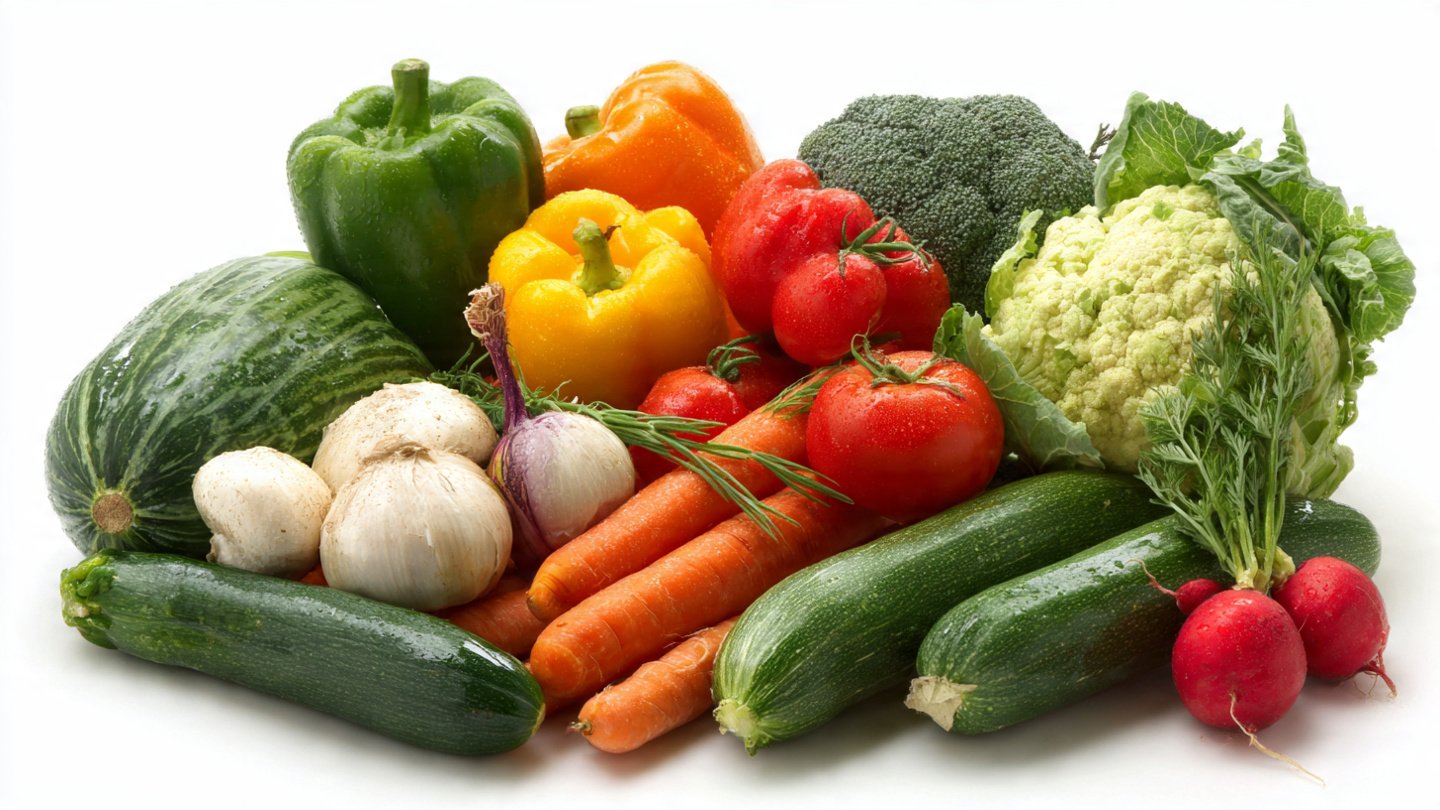
High cholesterol is one of the leading contributors to heart disease, stroke, and other cardiovascular problems worldwide. While medications can be effective, incorporating certain vegetables into your diet can help reduce cholesterol naturally, improve heart health, and provide a host of other benefits. These “miracle vegetables” are packed with fiber, antioxidants, and bioactive compounds that not only lower harmful LDL cholesterol but also support overall wellness. This comprehensive guide explores the best vegetables to include in your daily diet for naturally maintaining healthy cholesterol levels.
Understanding Cholesterol and Its Impact on Health
Cholesterol is a fatty substance found in the blood, essential for hormone production, vitamin D synthesis, and cell structure. However, elevated levels of low-density lipoprotein (LDL) cholesterol—commonly known as “bad cholesterol”—can lead to plaque buildup in arteries, increasing the risk of heart attacks and strokes. High cholesterol often shows no obvious symptoms, which is why preventive dietary measures are crucial.
Adding vegetables rich in soluble fiber, plant sterols, and antioxidants is one of the most effective natural strategies for managing cholesterol. These nutrients help reduce LDL levels, maintain healthy blood vessels, and improve overall cardiovascular function.
1. Spinach
Spinach is a leafy green powerhouse rich in soluble fiber and plant compounds like lutein and beta-carotene. Soluble fiber binds cholesterol in the digestive system, preventing its absorption into the bloodstream.
- Benefits: Lowers LDL cholesterol, protects arteries, and provides essential vitamins such as A, C, and K.
- How to Use: Include fresh spinach in salads, smoothies, or lightly sauté it with garlic for maximum flavor and nutrient retention.
2. Garlic
Garlic is widely recognized for its heart-protective properties. It contains allicin, a bioactive compound that helps reduce LDL cholesterol while slightly increasing HDL cholesterol—the “good” cholesterol.
- Benefits: Reduces total cholesterol levels, prevents blood clot formation, and improves overall heart health.
- How to Use: Consume raw garlic in small amounts daily, or add it to cooked dishes, soups, and sauces.
3. Broccoli
Broccoli is a cruciferous vegetable rich in soluble fiber, antioxidants, and plant sterols that can help lower cholesterol levels. Its high fiber content binds bile acids in the gut, prompting the body to use cholesterol to produce more bile, thereby reducing LDL.
- Benefits: Reduces cholesterol, supports liver health, and provides vitamins C, K, and folate.
- How to Use: Steam or lightly stir-fry broccoli to preserve nutrients. Combine it with olive oil and lemon juice for enhanced absorption of fat-soluble vitamins.
4. Carrots
Carrots are an excellent source of soluble fiber called pectin, which has been shown to lower LDL cholesterol effectively. Additionally, carrots are rich in antioxidants like beta-carotene that protect the cardiovascular system from oxidative damage.
- Benefits: Lowers LDL cholesterol, improves vascular health, and supports eye and skin health.
- How to Use: Snack on raw carrots, add them to salads, or include them in soups and stews.
5. Okra
Okra, also known as lady’s finger, contains soluble fiber and mucilage that binds cholesterol and promotes its excretion from the body. Its regular consumption has been linked to improved lipid profiles in clinical studies.
- Benefits: Reduces LDL cholesterol, supports digestive health, and stabilizes blood sugar levels.
- How to Use: Cook okra lightly in stir-fries, curries, or soups. Avoid overcooking to retain its nutrients.
6. Eggplant (Brinjal)
Eggplant is another cholesterol-lowering vegetable due to its high fiber content and presence of antioxidants like nasunin, which protect cells from free radical damage. Fiber in eggplant helps remove excess cholesterol from the body.
- Benefits: Reduces LDL cholesterol, supports heart health, and aids in weight management.
- How to Use: Grill, roast, or bake eggplant slices, or use them in stews and curries for a nutritious meal.
7. Leafy Greens like Kale and Swiss Chard
Dark leafy greens, including kale and Swiss chard, are rich in soluble fiber, antioxidants, and plant sterols. Their consumption has been associated with reduced LDL cholesterol and improved heart health.
- Benefits: Lowers LDL cholesterol, boosts HDL cholesterol, and provides vitamins A, C, and K.
- How to Use: Add raw kale to salads or smoothies, or lightly sauté Swiss chard with garlic and olive oil.
8. Beets
Beets are rich in soluble fiber and betalains, which provide antioxidant and anti-inflammatory benefits. The fiber binds cholesterol, while antioxidants reduce oxidative stress in blood vessels.
- Benefits: Reduces LDL cholesterol, improves blood pressure, and supports liver detoxification.
- How to Use: Roast, steam, or juice beets. Combine with other vegetables for a nutrient-packed dish.
9. Tomatoes
Tomatoes are loaded with lycopene, a powerful antioxidant that helps reduce LDL cholesterol and protect the cardiovascular system. They also contain fiber and vitamin C, which contribute to overall heart health.
- Benefits: Lowers LDL cholesterol, prevents plaque buildup, and promotes healthy skin and eyes.
- How to Use: Eat raw in salads, sandwiches, or salsas, or cook them in sauces and soups to increase lycopene availability.
Tips for Maximizing the Cholesterol-Lowering Effect of Vegetables
- Combine with Healthy Fats: Fat-soluble vitamins and antioxidants in vegetables are better absorbed when consumed with healthy fats like olive oil, nuts, or avocado.
- Eat a Variety: Include multiple vegetables daily to ensure a range of nutrients and bioactive compounds that work synergistically to reduce cholesterol.
- Cook Lightly: Overcooking can destroy heat-sensitive vitamins and antioxidants. Steaming, roasting, or lightly sautéing preserves nutrients while maintaining flavor.
- Include Fiber-Rich Meals: Combine vegetables with whole grains, legumes, and seeds to enhance soluble fiber intake, which further reduces cholesterol absorption.
- Maintain a Heart-Healthy Lifestyle: Regular physical activity, stress management, and avoiding smoking complement dietary interventions for cholesterol reduction.
Conclusion
Incorporating cholesterol-lowering vegetables into your diet is a natural, effective strategy to improve heart health and reduce the risk of cardiovascular disease. Vegetables such as spinach, garlic, broccoli, carrots, okra, eggplant, kale, beets, and tomatoes provide soluble fiber, antioxidants, and plant sterols that work together to lower LDL cholesterol while boosting overall nutrition.
By consuming a variety of these vegetables daily, preparing them in nutrient-preserving ways, and combining them with other heart-healthy lifestyle practices, you can manage cholesterol naturally and enjoy vibrant, long-term wellness. Whether used in salads, soups, stews, or stir-fries, these miracle vegetables offer both flavor and medicinal benefits, making them essential for anyone looking to maintain a healthy heart and optimal nutrition.