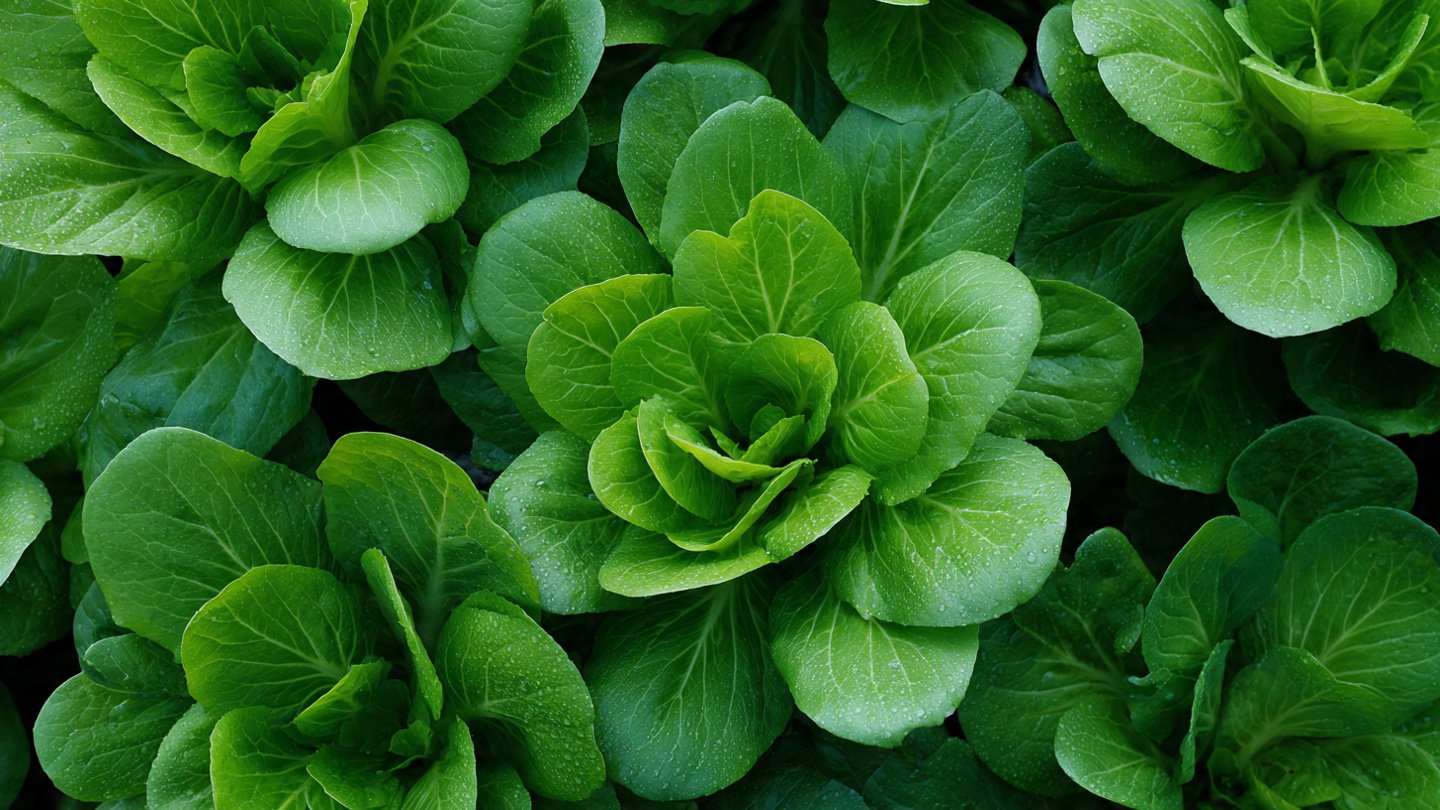
If you’ve been looking for a delicious, nutritious vegetable that’s easy to grow, Mibuna cabbage is a perfect choice. With its tender leaves, mild flavor, and quick growth, it’s ideal for salads, stir-fries, and sandwiches. Even better, you don’t need a traditional garden to grow it—recycled plastic bottles can be transformed into an efficient, space-saving garden.
This guide will show you how to grow Mibuna cabbage sustainably, using plastic bottles to create a vertical or tabletop vegetable garden, perfect for small spaces, balconies, or urban homes.
Why Mibuna Cabbage Is Perfect for Urban Gardening
Mibuna cabbage is a Japanese leafy green that grows quickly and produces tender, flavorful leaves. It’s ideal for container and vertical gardening because it:
- Grows fast—ready to harvest in 40–50 days
- Stays compact, making it suitable for small spaces
- Thrives in partial or full sunlight
- Can be harvested leaf by leaf, allowing continuous production
Its adaptability makes it perfect for recycling plastic bottles into mini-garden containers.
Materials You’ll Need
Growing Mibuna cabbage in plastic bottles is simple, and most materials can be reused:
Essentials:
- Empty plastic bottles (500ml–2L works best)
- Scissors or utility knife
- String, rope, or twine
- Hooks or wall brackets (if making a vertical wall)
- Potting soil or compost
Optional:
- Liquid fertilizer or compost tea
- Small drip irrigation system
- Decorative paint for the bottles
Using recycled bottles is eco-friendly, cost-effective, and perfect for urban sustainability projects.
Preparing Plastic Bottles for Planting
Before you start planting, bottles need to be transformed into functional containers:
- Clean the bottles thoroughly to remove residue or labels.
- Cut an opening on the side for planting. A rectangle or oval shape works best.
- Punch drainage holes at the bottom to prevent waterlogging.
- Create hanging points (top and bottom) if you plan to string bottles vertically.
Once prepped, bottles are ready to hold soil and seedlings.
Choosing the Right Soil Mix
Since plastic bottles are limited in volume, a lightweight, nutrient-rich soil mix is essential for Mibuna cabbage:
- 50% potting soil
- 25% compost
- 25% perlite or coco coir
This mix retains moisture while providing nutrients, ensuring healthy growth in compact containers.
Planting Mibuna Cabbage
You can start from seeds or seedlings:
- Sow seeds directly into the soil ¼–½ inch deep.
- Thin seedlings to 2–3 inches apart once they sprout.
- Water gently until soil is evenly moist.
Mibuna grows quickly, so you’ll start harvesting within a few weeks.
Vertical vs. Horizontal Bottle Gardens
Plastic bottles can be arranged in several ways, depending on space:
1. Vertical Garden (Wall or Railing):
- Hang bottles in rows using string or twine.
- Stack multiple rows side by side to form a vegetable wall.
2. Horizontal Garden (Tabletop or Shelf):
- Line bottles side by side on a balcony ledge, table, or shelf.
- Ideal for small patios or windowsills.
Vertical walls save space and create a stunning living display, while horizontal arrangements work well for easy access and maintenance.
Watering and Maintenance Tips
Mibuna cabbage prefers consistent moisture but can’t tolerate waterlogging:
- Water gently at the base of each bottle.
- Check soil daily; topsoil should remain slightly moist.
- Avoid wetting leaves to reduce fungal issues.
- Rotate bottles occasionally for even sunlight exposure.
Proper watering encourages healthy leaves and prevents root rot in small containers.
Fertilizing for a Bountiful Harvest
Plastic bottle gardens have limited soil volume, so adding nutrients is key:
- Use liquid organic fertilizer or compost tea every 2–3 weeks.
- Avoid overfertilizing, which can cause excessive leaf growth and poor flavor.
- Potassium-rich fertilizers can enhance leaf quality.
Balanced nutrition ensures tender, flavorful leaves and rapid growth.
Harvesting Mibuna Cabbage
One of the best things about Mibuna is continuous harvesting:
- Pick outer leaves when they are 3–6 inches long.
- Leaves will continue to grow from the center.
- Harvest every 1–2 weeks to encourage constant production.
This method maximizes yield and allows you to enjoy fresh greens all season.
Common Problems and Solutions
Even small-scale, plastic bottle gardens can face minor issues:
1. Yellow Leaves: Often due to nutrient deficiency or overwatering.
- Solution: Adjust watering, and add compost or liquid fertilizer.
2. Pests (Aphids, Caterpillars):
- Solution: Remove manually or use natural sprays like neem oil.
3. Leggy Growth: Occurs when sunlight is insufficient.
- Solution: Move garden to brighter spot or supplement with artificial light.
By monitoring plants regularly, most problems can be corrected quickly.
Benefits of Growing Mibuna in Plastic Bottles
Using recycled bottles for Mibuna cabbage offers multiple benefits:
- Sustainable gardening: Reduces plastic waste and promotes eco-friendly practices.
- Space-saving: Perfect for urban apartments, balconies, and small patios.
- Cost-effective: Bottles and leftover soil can be reused season after season.
- Aesthetic appeal: Create colorful, lush vertical walls or tabletop gardens.
This approach combines practicality, sustainability, and visual beauty in one project.
Inspiring Ideas for Your Vegetable Wall
Plastic bottle gardens can be both functional and decorative:
- Mix herbs and leafy greens with Mibuna for variety.
- Paint bottles in bright colors to make a cheerful display.
- Combine trailing plants like mint or small cherry tomatoes for cascading effects.
- Label bottles with plant names for an organized and attractive wall.
Your wall can become both a food source and a living piece of art.
Final Thoughts
Mibuna cabbage is perfect for small-space gardeners. It grows quickly, produces tender, flavorful leaves, and thrives in recycled plastic bottles, making it ideal for sustainable urban gardening.
By creating vertical or tabletop bottle gardens, you can enjoy fresh greens, reduce waste, and add a touch of greenery to your home. Even beginners can succeed with a little preparation, consistent care, and the right setup.
Start small, experiment with arrangements, and watch your Mibuna cabbage flourish in a sustainable, eco-friendly garden.