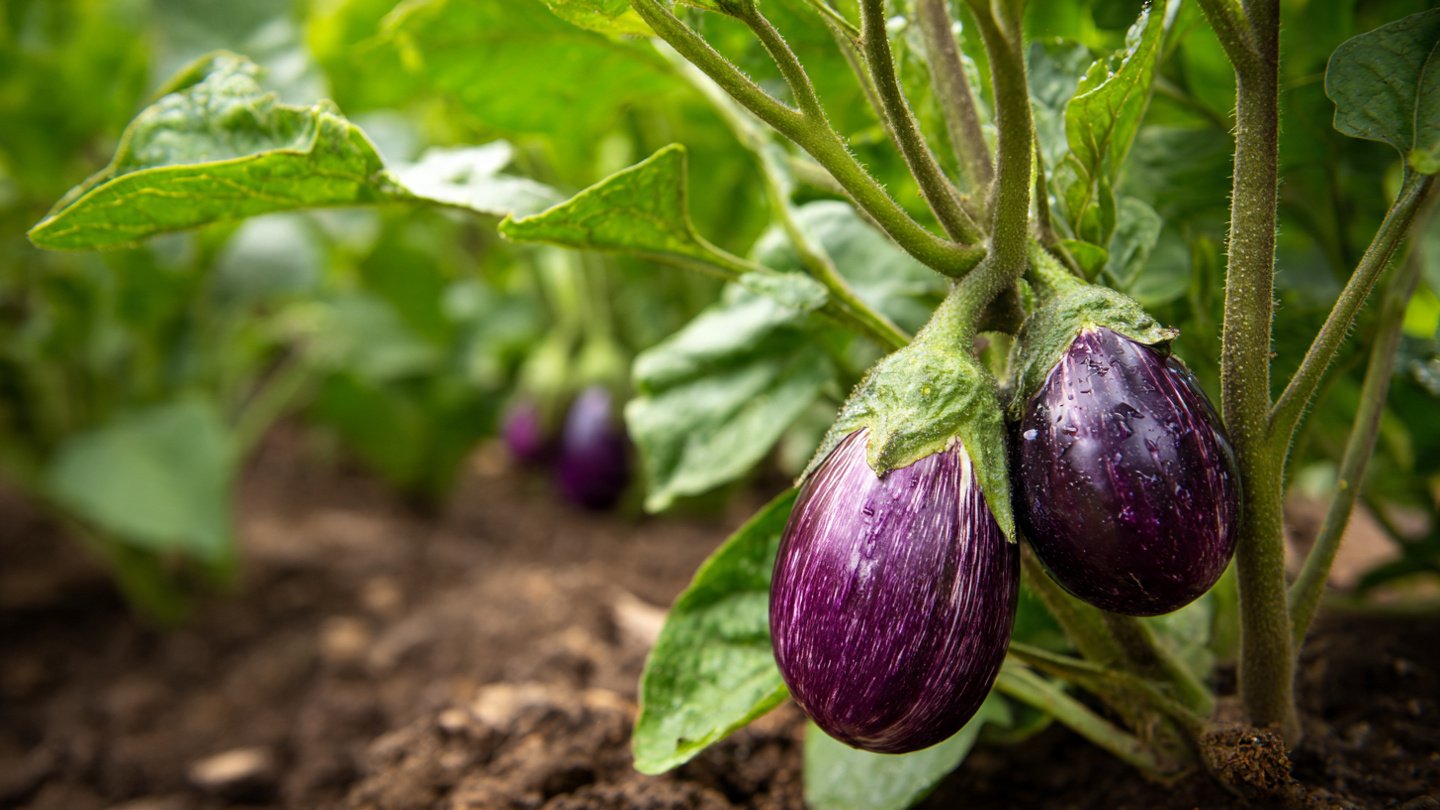
Think you need a large backyard to grow abundant eggplants? Think again. Eggplants are surprisingly adaptable plants that can thrive in containers, balconies, rooftops, patios, and even sunny windowsides. With the right techniques, you can grow healthy, productive eggplants and enjoy a generous harvest—no traditional garden required.
Whether you live in an apartment, have limited outdoor space, or simply want to make better use of what you already have, this guide will show you how to maximize your eggplant harvest anywhere.
Why Eggplants Are Perfect for Small-Space Growing
Eggplants are ideal for container and compact growing because they:
- Develop deep but manageable root systems
- Thrive in warm, sunny conditions
- Produce fruit continuously when well cared for
- Respond well to pruning and feeding
With proper planning, even a single plant can yield dozens of fruits in one season.
Choosing the Right Eggplant Variety
Not all eggplants perform the same in small spaces. Selecting the right variety is the first step to success.
Best Eggplant Types for Containers
- Compact or bush varieties
- Early-maturing cultivars
- Thin-skinned or Asian-style eggplants
These types grow shorter, produce faster, and handle pots better than large traditional varieties.
Picking the Perfect Container
Container size directly affects plant health and yield.
Ideal Pot Requirements
- Minimum size: 12–16 inches deep and wide
- Drainage holes are essential
- Dark-colored pots help retain warmth
Fabric grow bags, plastic containers, and terracotta pots all work well, as long as drainage is excellent.
The Best Soil for Maximum Harvest
Eggplants are heavy feeders, so soil quality matters.
Ideal Soil Mix
- High-quality potting mix
- Added compost or worm castings
- Good drainage with coconut coir or perlite
Avoid using garden soil in containers—it compacts easily and restricts root growth.
Sunlight: The Key to More Fruits
Eggplants love sunshine more than almost any other vegetable.
- Provide 6–8 hours of direct sunlight daily
- South-facing balconies and rooftops are ideal
- Rotate pots weekly to ensure even growth
Without enough sun, plants may grow leaves but fail to flower or fruit.
Watering the Right Way
Consistent watering is crucial, especially in containers.
Smart Watering Tips
- Water deeply until it drains from the bottom
- Keep soil evenly moist, not soggy
- Water more frequently during hot weather
Irregular watering often leads to:
- Dropping flowers
- Bitter-tasting fruits
- Stunted growth
Mulching the soil surface helps retain moisture and stabilize temperature.
Feeding Eggplants for Heavy Production
To maximize harvest, eggplants need regular nutrition.
Best Fertilizing Schedule
- Start feeding 2 weeks after transplanting
- Use a balanced fertilizer every 10–14 days
- Switch to a higher potassium fertilizer once flowering begins
Organic options like compost tea, fish emulsion, or liquid seaweed work especially well for container plants.
Pruning and Training for Higher Yields
Pruning helps direct energy toward fruit production.
How to Prune Eggplants
- Remove lower leaves touching the soil
- Pinch excess side shoots
- Limit each plant to 5–7 main branches
This improves airflow, reduces disease risk, and results in larger fruits.
Supporting the Plant
Even container-grown eggplants benefit from:
- Stakes
- Tomato cages
- Bamboo supports
Support prevents stem breakage under the weight of heavy fruits.
Pollination Tips for Indoor or Balcony Plants
Eggplants are self-pollinating, but poor airflow can reduce fruit set.
Easy Pollination Boosts
- Gently shake the plant during flowering
- Use a soft brush to transfer pollen
- Encourage airflow with open windows or fans
These simple steps can significantly increase fruit production.
Growing Eggplants Indoors: Is It Possible?
Yes—with the right setup.
Indoor Growing Essentials
- Bright grow lights (12–14 hours daily)
- Warm temperatures (21–30°C / 70–86°F)
- Adequate airflow
Dwarf varieties perform best indoors and can produce reliably near sunny windows with supplemental lighting.
Managing Pests in Small Spaces
Container-grown eggplants are easier to monitor for pests.
Common Pests
- Aphids
- Spider mites
- Whiteflies
Natural Control Methods
- Neem oil sprays
- Insecticidal soap
- Regular leaf inspections
Early detection prevents serious damage and protects yields.
Harvesting Eggplants for Continuous Production
Harvesting correctly encourages the plant to produce more fruit.
When to Harvest
- Fruit skin is glossy and firm
- Seeds inside are still soft
- Size matches the variety description
Use clean scissors or pruning shears—never pull fruits off by hand.
Frequent harvesting signals the plant to keep flowering and fruiting.
Extending the Harvest Season
You can stretch your eggplant harvest longer than you think.
Season-Extending Tips
- Move containers indoors during cool nights
- Protect plants from sudden temperature drops
- Feed lightly after each harvest
In warm climates, eggplants can continue producing for several months.
Common Mistakes That Reduce Harvests
Avoid these common errors:
- Using small pots
- Skipping fertilizer
- Inconsistent watering
- Poor sunlight exposure
- Letting fruits over-ripen on the plant
Correcting even one of these can dramatically increase your yield.
Final Thoughts
You don’t need a traditional garden to enjoy a bountiful eggplant harvest. With the right container, proper sunlight, consistent care, and smart feeding, eggplants can thrive almost anywhere. Balconies, patios, rooftops, and even indoor spaces can become productive growing areas.
If you’ve been holding back because of limited space, now is the perfect time to start. Eggplants reward attention and care with generous harvests—no garden required.