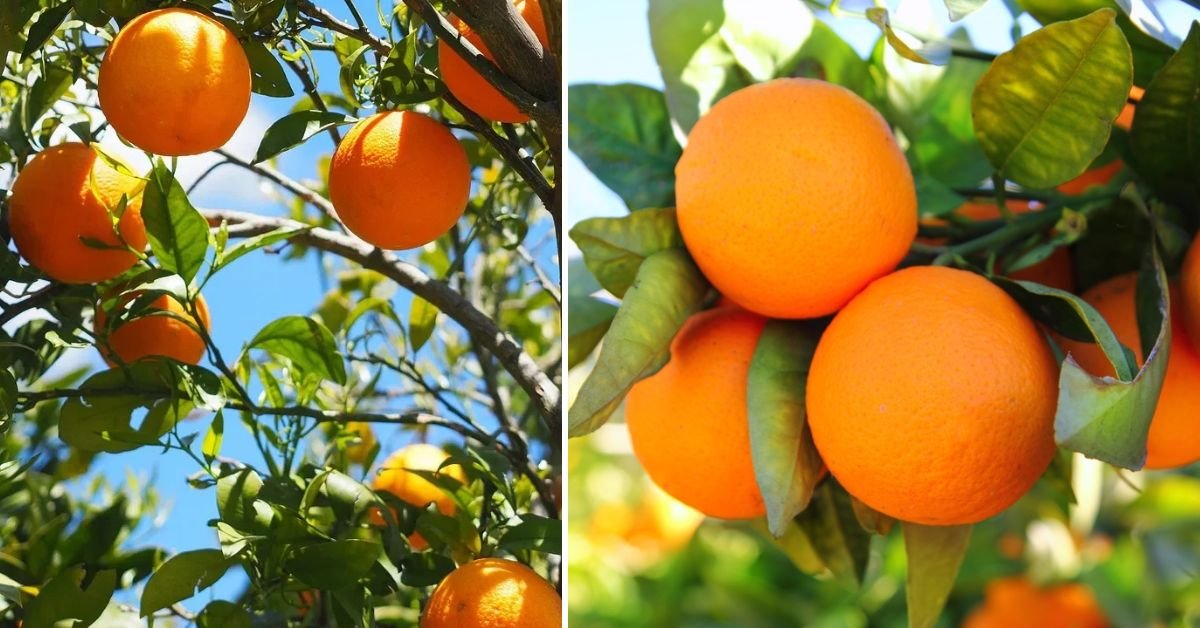
Grafting is one of the most powerful techniques a home gardener can learn—especially when it comes to citrus. If you’ve ever grown an orange tree from seed and waited years only to get sour fruit (or no fruit at all), grafting is the skill that changes everything. By joining a proven fruiting variety to a strong root system, you can grow healthier trees, enjoy earlier harvests, and produce sweeter, more reliable oranges.
This step-by-step guide will help you master orange tree grafting in a simple, practical way, even if you’re a beginner. With patience, clean tools, and the right timing, you can dramatically improve your citrus-growing success.
Why Grafting Orange Trees Is So Effective
Orange trees grown from seed do not grow “true to type.” This means the fruit quality, sweetness, and size are unpredictable. Grafted trees, on the other hand, are genetic copies of a known, high-quality variety.
Key benefits of grafting include:
- Earlier fruiting (2–3 years instead of 6–8)
- Sweeter, consistent fruit quality
- Better disease resistance
- Improved tolerance to soil and climate conditions
- Stronger, more controlled tree size
For home gardeners, grafting is the fastest route to reliable, delicious citrus.
Understanding the Basics: Rootstock and Scion
Before you begin, it’s important to understand the two parts involved in grafting:
- Rootstock: The lower part of the plant that provides roots. It determines disease resistance, growth strength, and adaptability.
- Scion: A healthy cutting taken from a mature orange tree that produces sweet, high-quality fruit.
The goal of grafting is to fuse these two parts so they grow as one plant.
Choosing the Right Rootstock
The rootstock should be young, healthy, and actively growing. Seedlings grown from hardy citrus varieties or nursery-bought rootstocks work best.
Good rootstock characteristics include:
- Strong stem (pencil thickness is ideal)
- Disease-free leaves and roots
- Well-established root system
- Adapted to your local soil and climate
The rootstock is usually 6–12 months old when grafting is performed.
Selecting a Healthy Scion
The scion determines the fruit quality, so choose carefully.
A good scion should be:
- Taken from a mature, fruiting orange tree
- Known for sweetness and good yield
- About 10–15 cm long
- Pencil-thick with 2–4 healthy buds
- Free from pests and diseases
Cut the scion early in the morning and use it the same day for best results.
Best Time to Graft Orange Trees
Timing plays a major role in grafting success. The ideal period is when the rootstock is actively growing and the bark slips easily.
Best seasons:
- Late winter to early spring
- Monsoon season in warm regions
Avoid grafting during extreme heat, cold, or drought, as stress reduces success rates.
Essential Tools and Materials
You don’t need expensive equipment, but cleanliness is critical.
You’ll need:
- Sharp grafting knife or razor blade
- Pruning shears
- Grafting tape or plastic wrap
- Alcohol or disinfectant for tools
- Clean cloth or paper towel
Always sterilize your tools before making cuts to prevent infection.
Step-by-Step Guide to Grafting Orange Trees
Step 1: Prepare the Rootstock
Choose a straight section of the rootstock stem about 15–20 cm above soil level. Make a clean cut to remove the top growth.
Step 2: Make the Grafting Cut
Depending on your skill level, you can use methods like wedge grafting or cleft grafting. For beginners, wedge grafting is simple and effective.
- Make a vertical slit (3–4 cm deep) in the rootstock.
- Shape the base of the scion into a wedge.
Step 3: Join Scion and Rootstock
Insert the scion wedge firmly into the slit, ensuring the cambium layers (the green tissue under the bark) of both parts touch. This contact is crucial for successful fusion.
Step 4: Secure the Graft
Wrap the graft tightly with grafting tape or plastic to hold it in place and prevent moisture loss. The joint should be snug but not crushed.
Step 5: Protect the Graft
Place the plant in partial shade and protect it from strong wind, heavy rain, and direct midday sun.
Aftercare: The Key to Grafting Success
Grafting doesn’t end with wrapping the joint. Proper aftercare determines whether the graft survives.
Important aftercare tips:
- Keep soil moist but not waterlogged
- Avoid disturbing the graft area
- Remove shoots growing below the graft
- Do not fertilize heavily until the graft takes
After 2–4 weeks, you should see new growth from the scion—this is a sign of success.
When and How to Remove the Grafting Tape
Once the graft union has healed and new shoots are growing strongly (usually after 4–6 weeks), carefully loosen or remove the tape. Leaving it on too long can restrict growth.
Training the Grafted Orange Tree
As the scion grows, guide it into a strong shape.
- Support young shoots with a stake if needed
- Pinch excessive side shoots early
- Allow a balanced framework to develop
Proper training helps the tree support heavy fruit loads in the future.
Common Grafting Problems and Solutions
Scion dries out
Cause: Poor sealing or heat stress
Solution: Ensure tight wrapping and provide shade
Graft fails to unite
Cause: Cambium layers not aligned
Solution: Make cleaner cuts and match stem sizes closely
Rootstock dominates growth
Cause: Shoots below graft not removed
Solution: Regularly prune rootstock shoots
How Long Until You Get Fruit?
A successfully grafted orange tree can flower within 12–24 months under good care. Compared to seed-grown trees, this is a major advantage. Fruit quality will match the parent tree from which the scion was taken—meaning sweeter, juicier oranges.
Final Thoughts
Mastering orange tree grafting is a rewarding skill that transforms the way you grow citrus. It combines patience, precision, and basic plant knowledge to deliver outstanding results. With one healthy rootstock and a proven scion, you can grow trees that are more productive, more resilient, and far more satisfying.
For home gardeners who want better fruit without waiting years, grafting isn’t just a technique—it’s the secret to growing truly exceptional oranges.