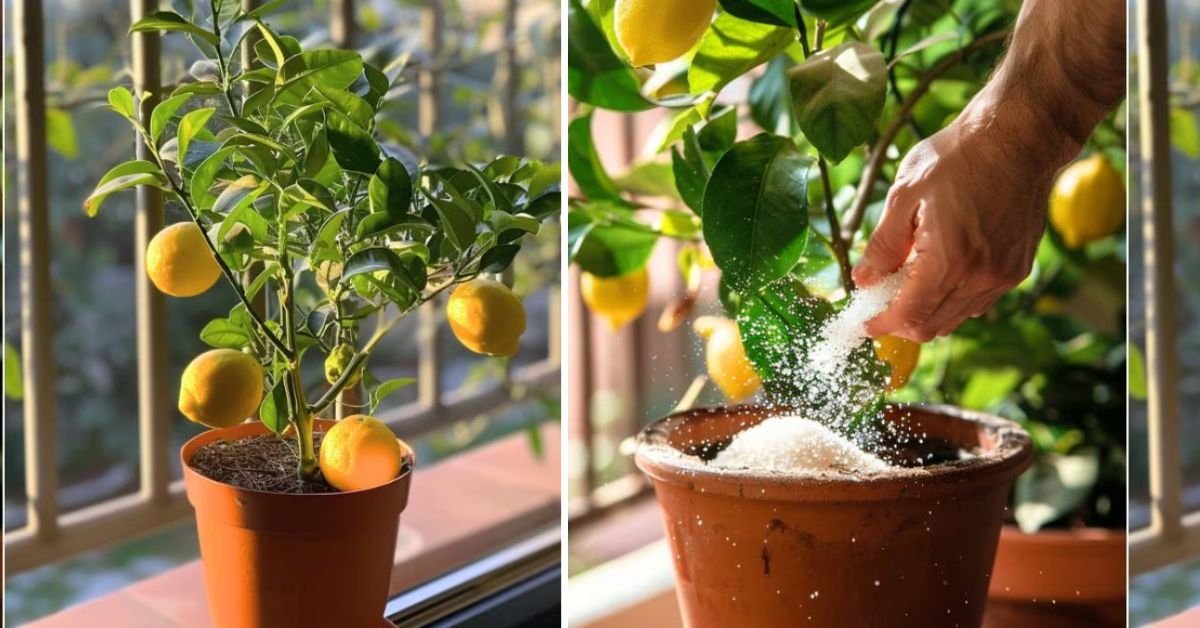
Lemon trees are one of the most rewarding fruit plants you can grow at home. Their glossy green leaves, fragrant white blossoms, and bright yellow fruits make them both beautiful and productive. Best of all, lemon trees are surprisingly easy to grow, even for beginners, and they adapt well to backyards, terraces, and large pots.
This complete guide will walk you through everything you need to know to grow healthy lemon trees at home—from choosing planting material to harvesting juicy, homegrown lemons year after year.
Why Grow Lemon Trees at Home?
Growing lemon trees at home offers many benefits beyond fresh fruit. Homegrown lemons are chemical-free, more aromatic, and richer in flavor than store-bought ones. Lemon trees are also evergreen, meaning they stay green throughout the year and enhance the beauty of your space.
Some key advantages include:
- Continuous fruit production once established
- Excellent suitability for pots and containers
- Minimal maintenance compared to many fruit trees
- Multi-purpose fruits for cooking, drinks, and remedies
With proper care, a single lemon tree can provide dozens of fruits annually.
Choosing the Right Lemon Variety
Selecting the right lemon variety is the foundation of success. While most lemon trees grow well in warm climates, some varieties are better suited for home gardening.
When choosing a plant, consider:
- Climate: Warm and mild climates are ideal
- Space: Dwarf varieties are best for pots and balconies
- Purpose: Some varieties are more juicy, while others are highly aromatic
Always select healthy, disease-free saplings from a trusted nursery to ensure faster growth and early fruiting.
Lemon Tree from Seed or Sapling?
You can grow lemon trees from seeds, but there are differences you should know.
Growing from Seed
- Takes longer to produce fruit (5–7 years or more)
- Fruits may not be identical to the parent lemon
- Best for learning and experimentation
Growing from Sapling
- Fruits earlier (2–3 years)
- Predictable fruit quality
- Easier for beginners
If your goal is regular fruit harvests, saplings are the better choice.
Ideal Climate and Sunlight Needs
Lemon trees thrive in warm, sunny conditions.
- Require 6–8 hours of direct sunlight daily
- Ideal temperature range is 18–35°C
- Protect young plants from frost and strong winds
If you live in a cooler area, growing lemon trees in pots allows you to move them indoors during extreme weather.
Preparing the Perfect Soil
Soil quality directly affects lemon tree growth and fruiting. Lemon trees prefer soil that is:
- Well-draining
- Rich in organic matter
- Slightly acidic to neutral (pH 5.5–7.5)
A good soil mix includes:
- Garden soil
- Compost or vermicompost
- Sand or cocopeat for drainage
Avoid heavy clay soil, as it retains too much water and can damage roots.
How to Plant Lemon Trees at Home
Planting in the Ground
- Dig a pit about 2 feet deep and wide
- Fill it with prepared soil mixed with compost
- Place the sapling gently, keeping the root ball intact
- Fill soil around the plant and press lightly
- Water thoroughly
Growing Lemon Trees in Pots
- Use a pot at least 18–24 inches deep
- Ensure multiple drainage holes
- Choose a sturdy container to support growth
Container-grown lemon trees should be repotted every few years as roots expand.
Watering Lemon Trees Correctly
Proper watering is one of the most important aspects of lemon tree care.
- Water deeply but only when the topsoil feels dry
- Young plants need more frequent watering
- Mature trees prefer less frequent but deep watering
Overwatering can cause root rot and leaf yellowing, while underwatering can lead to flower and fruit drop.
Feeding and Fertilizing Lemon Trees
Lemon trees are heavy feeders and benefit from regular nutrition.
- Add compost or well-rotted manure every 2–3 months
- Use organic liquid feeds during the growing season
- Increase potassium-rich nutrients during flowering and fruiting
Avoid excessive nitrogen, as it encourages leaf growth but reduces fruit production.
Pruning and Shaping for Better Yield
Pruning helps maintain tree shape and boosts fruiting.
- Remove dead, diseased, or weak branches
- Prune lightly after harvesting
- Keep the center open for air and sunlight
Lemon fruits form on healthy new growth, so controlled pruning improves both fruit size and quantity.
Flowering and Fruit Development
Lemon trees often flower multiple times a year under ideal conditions. The fragrant blossoms usually self-pollinate, but insects can increase fruit set.
To support fruit development:
- Avoid stress from irregular watering
- Protect flowers from pests
- Do not over-prune during flowering
Fruits typically mature in 5–6 months after flowering.
Common Problems and Solutions
Some common issues include:
- Yellow leaves: Often caused by nutrient deficiency or overwatering
- Flower drop: Due to water stress or sudden temperature changes
- Pests: Aphids, mites, or mealybugs can be managed with neem oil
Regular observation helps prevent small issues from becoming major problems.
Harvesting Homegrown Lemons
Lemons are ready to harvest when:
- They turn bright yellow
- The skin becomes glossy
- Fruits feel firm and heavy
Harvest by gently twisting or cutting the fruit to avoid branch damage.
Final Thoughts
Growing lemon trees at home is a rewarding journey that combines beauty, fragrance, and productivity. With the right sunlight, soil, watering routine, and regular care, you can successfully create your own lemon garden—whether in a backyard or a single pot on your balcony.
By following this complete guide, you’ll enjoy fresh, juicy lemons straight from your home-grown tree while experiencing the joy of nurturing a fruit plant from scratch. With patience and consistency, your lemon tree will reward you for many years to come.