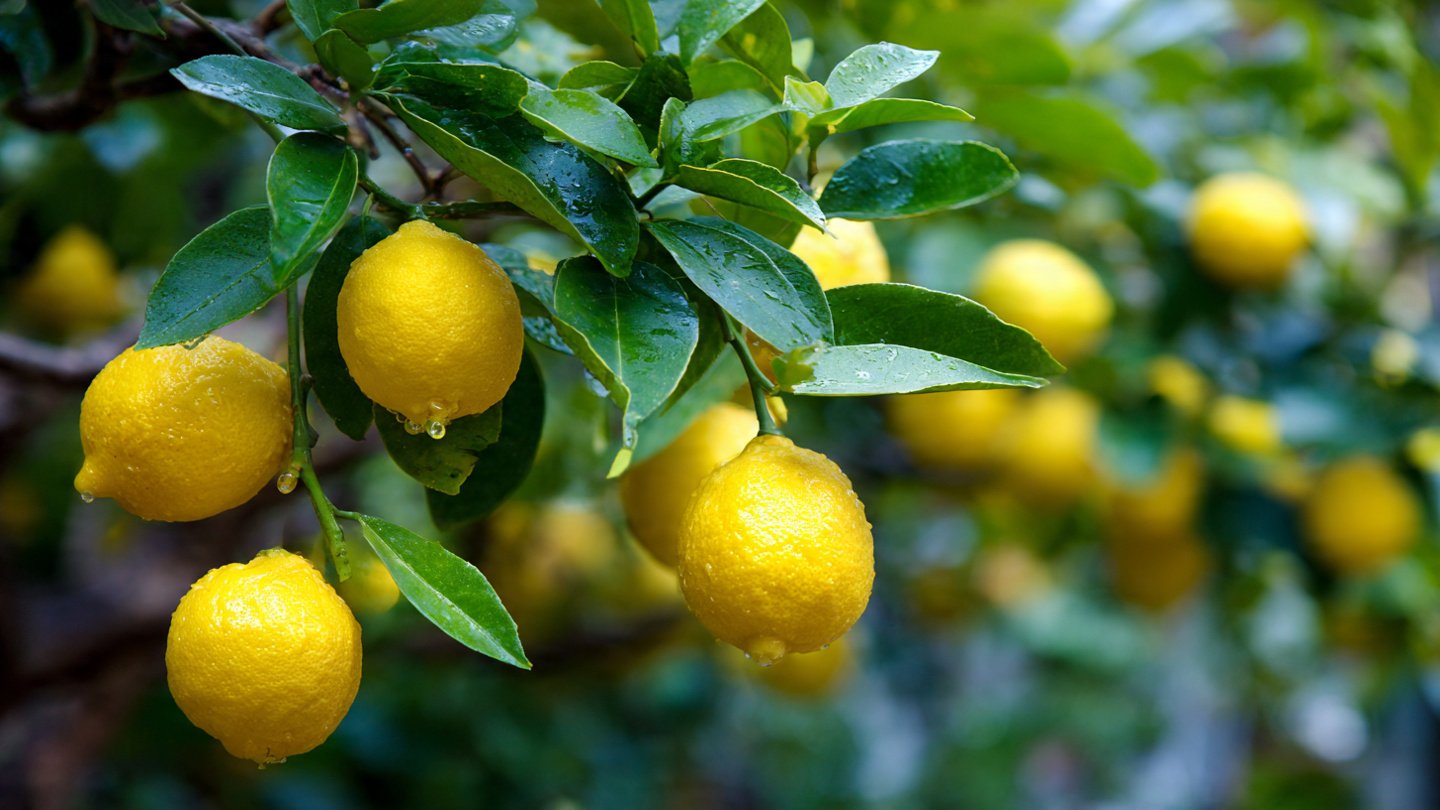
Growing a lemon tree at home is a rewarding experience that combines beauty, fragrance, and a steady supply of fresh, tangy fruit. Whether you have a spacious backyard or just a sunny balcony, lemon trees can adapt surprisingly well when given the right care. This comprehensive guide will walk you through everything you need to know—from choosing the right variety to harvesting baskets of juicy lemons year after year.
Why Grow Lemon Trees at Home?
Lemon trees are more than just fruit producers. They are attractive evergreen plants with glossy leaves, fragrant blossoms, and bright yellow fruits that add charm to any space. Homegrown lemons are fresher, more flavorful, and free from harmful chemicals. Plus, tending a lemon tree is therapeutic and deeply satisfying.
Choosing the Right Lemon Variety
Selecting the right variety is the first step toward success. Some lemon trees grow large and are better suited for gardens, while others remain compact and thrive in pots.
Popular options include:
- Eureka and Lisbon lemons for outdoor gardens with plenty of sun
- Dwarf lemon varieties for containers and balconies
- Ever-bearing types that produce fruit multiple times a year
When buying a sapling, choose a healthy plant with green leaves and no signs of pests or disease.
Ideal Climate and Sunlight Requirements
Lemon trees love warmth and sunlight. They grow best in mild to warm climates and need at least 6–8 hours of direct sunlight daily. If you live in a cooler region, growing lemons in containers allows you to move the plant indoors during cold weather.
Key climate tips:
- Protect young plants from frost
- Avoid strong, cold winds
- Maintain moderate humidity for best growth
Soil Preparation: The Foundation of a Healthy Tree
Well-draining soil is essential. Lemon trees dislike soggy roots, which can quickly lead to root rot.
Best soil mix:
- Garden soil or loam
- Organic compost or well-rotted manure
- Sand or perlite for drainage
The soil should be slightly acidic to neutral, with a pH between 5.5 and 7.0.
Planting Lemon Trees: Ground vs. Containers
Planting in the Ground
- Dig a hole twice as wide and as deep as the root ball.
- Mix compost into the soil.
- Place the tree at the same depth it grew in the nursery.
- Water thoroughly after planting.
Growing in Containers
- Choose a pot at least 12–18 inches wide with drainage holes.
- Use a lightweight, well-draining potting mix.
- Repot every 2–3 years as the tree grows.
Watering Wisely for Strong Growth
Consistent watering is crucial, especially during the first year. Lemon trees prefer deep watering rather than frequent light sprinkling.
Watering guidelines:
- Water when the top 2–3 inches of soil feel dry
- Reduce watering during cooler months
- Avoid waterlogging at all costs
Mulching around the base helps retain moisture and regulate soil temperature.
Feeding Your Lemon Tree for Abundant Fruit
Lemon trees are heavy feeders. Regular fertilization keeps them healthy and productive.
Fertilizer tips:
- Use a balanced citrus fertilizer rich in nitrogen
- Apply every 4–6 weeks during the growing season
- Supplement with organic compost or liquid seaweed
Yellowing leaves often indicate nutrient deficiencies, especially nitrogen or iron.
Pruning and Training for Better Shape and Yield
Pruning keeps your lemon tree manageable and improves air circulation.
When and how to prune:
- Prune lightly after harvesting
- Remove dead, damaged, or crossing branches
- Shape the tree to allow sunlight to reach the center
Avoid heavy pruning, as lemons fruit on relatively new growth.
Dealing with Common Pests and Diseases
Lemon trees can attract pests, but early action prevents serious problems.
Common issues include:
- Aphids and whiteflies
- Mealybugs and scale insects
- Leaf miners
Use neem oil, insecticidal soap, or homemade organic sprays to control infestations. Ensure good airflow and avoid overwatering to prevent fungal diseases.
Flowering, Pollination, and Fruit Set
Lemon trees produce wonderfully fragrant white blossoms. Most varieties are self-pollinating, so you don’t need multiple trees. However, gently shaking the branches or attracting bees can improve fruit set, especially indoors or on balconies.
Harvesting Lemons at the Right Time
Lemons are usually ready to harvest 6–9 months after flowering. Unlike some fruits, they do not ripen further once picked.
Signs of readiness:
- Full yellow color
- Firm but slightly soft to touch
- Strong lemon fragrance
Twist or cut the fruit gently to avoid damaging the branch.
Growing Lemons Year-Round: Extra Tips
- Move potted plants indoors during extreme heat or cold
- Rotate containers so all sides receive sunlight
- Clean leaves occasionally to improve photosynthesis
With consistent care, a lemon tree can produce fruit for decades.
Final Thoughts
Growing lemon trees at home is a delightful journey that rewards patience with beauty, fragrance, and a steady harvest of fresh citrus. By choosing the right variety, providing ample sunlight, maintaining proper watering and feeding routines, and staying alert to pests, you can enjoy healthy, fruit-loaded lemon trees even in small spaces. Start today, and soon your home will be filled with the magic of homegrown lemons—fresh, flavorful, and truly satisfying.