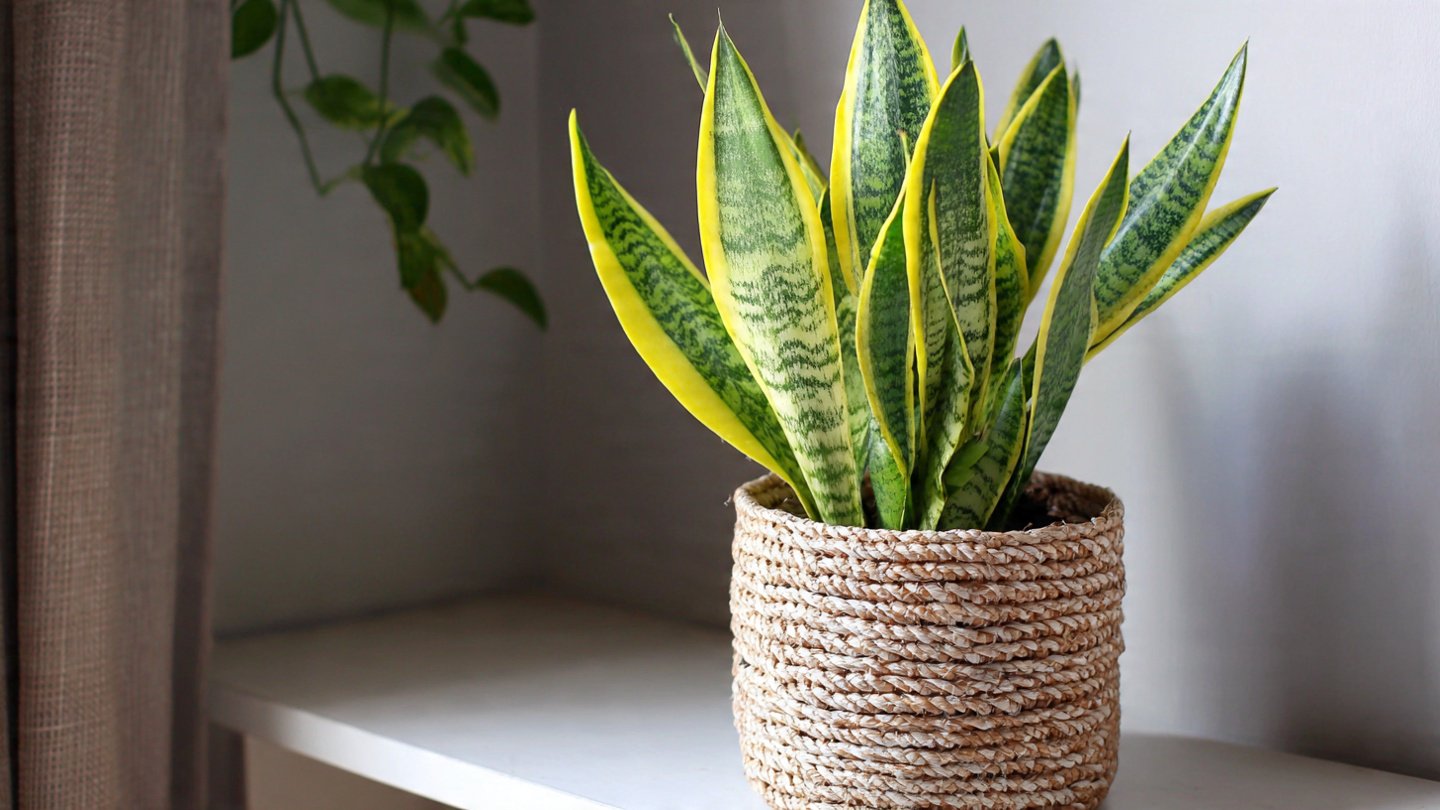
Snake plants (Sansevieria spp.), also known as mother-in-law’s tongue, are beloved for their striking upright leaves, low maintenance needs, and ability to purify indoor air. They are often recommended for beginners because they tolerate neglect, low light, and irregular watering. Yet, even the hardiest snake plants can struggle or grow slowly if a crucial care step is overlooked.
Many plant enthusiasts focus on watering, light, and occasional fertilization—but there’s one simple step that makes all the difference in keeping a snake plant thriving year-round. This article explores that overlooked technique, why it matters, and how to incorporate it into your care routine for a robust, healthy plant.
Understanding the Needs of Snake Plants
Snake plants are succulents, storing water in their thick, fleshy leaves. They are native to West Africa and thrive in conditions with sporadic rainfall, bright but indirect sunlight, and well-draining soil. Their slow growth and resilience make them popular, but understanding their natural habits is essential for long-term health.
Common challenges for snake plants include:
- Overwatering, which can cause root rot
- Poor drainage, leading to soggy soil
- Insufficient light, which can result in slow growth or leggy leaves
Addressing these challenges is important, but many owners overlook a simple yet transformative care step: periodic leaf and root inspection combined with soil aeration.
The Easy Step Everyone Forgets: Soil Aeration and Inspection
The step that many snake plant owners forget is checking the soil and roots and gently aerating the soil. Even though snake plants are hardy, compacted or waterlogged soil can suffocate roots, reduce oxygen availability, and prevent proper water absorption. Over time, this can lead to yellowing leaves, stunted growth, and an unhealthy plant—even if you’ve been watering correctly.
Why this step matters:
- Improves Root Health: Healthy roots absorb water and nutrients more efficiently. Compacted soil restricts root expansion.
- Prevents Root Rot: Regular inspection allows you to catch early signs of rot before it spreads.
- Encourages Growth: Aerated soil promotes new root development, supporting robust foliage.
- Ensures Balanced Moisture: Loosened soil drains better, preventing water from pooling at the bottom.
This simple act of “checking under the surface” is what often separates thriving snake plants from ones that survive but never truly flourish.
How to Perform This Easy Care Step
Here’s a practical step-by-step guide to aerate soil and inspect your snake plant:
- Choose the Right Time: Late spring or early summer is ideal because the plant is entering its active growth phase. Avoid doing this during winter when growth slows.
- Remove the Plant Carefully: If possible, gently lift the plant from its pot, shaking off excess soil to examine the roots.
- Inspect the Roots: Healthy roots should be firm and white or light brown. Remove any mushy, dark, or foul-smelling roots.
- Aerate the Soil: Use a small stick, chopstick, or your fingers to gently poke holes around the base of the plant. This loosens compacted soil and improves oxygen flow.
- Repot if Necessary: If soil is extremely compacted or old, repot into a fresh, well-draining mix suitable for succulents, typically a combination of potting soil and sand or perlite.
- Water Lightly After Repotting: Avoid heavy watering immediately after aeration; wait a few days to let roots recover.
By making this simple habit part of your care routine, you dramatically improve your snake plant’s chances of year-round health and growth.
Optimal Placement for Thriving Snake Plants
In addition to soil care, placement plays a crucial role in a snake plant’s growth. While these plants tolerate low light, they thrive in bright, indirect sunlight. Some ideal spots include:
- Near East- or South-Facing Windows: Receives bright, filtered light without scorching leaves.
- Corners with Ambient Light: Can survive lower light, though growth may slow.
- Bathrooms or Kitchens: Humidity levels are higher, which benefits leaf health without overwatering the soil.
Avoid placing the plant in direct harsh sunlight for extended periods, as this can cause leaf scorching, or in drafty areas where temperature fluctuations stress the plant.
Watering Tips to Complement Soil Aeration
Snake plants are susceptible to overwatering more than underwatering. Combining proper soil aeration with an intelligent watering schedule ensures vitality:
- Water When Soil Is Dry: Check the top 2–3 inches of soil. If dry, water lightly.
- Avoid Standing Water: Make sure the pot has a drainage hole and that excess water drains completely.
- Adjust for Season: Reduce watering in winter when growth slows.
By pairing soil aeration with careful watering, you prevent the most common cause of snake plant stress: root rot.
Fertilizing to Encourage Growth
Once soil has been refreshed or aerated, light fertilization during the growing season can support growth:
- Use a balanced, water-soluble houseplant fertilizer diluted to half strength.
- Apply once a month from spring through early fall.
- Avoid fertilizing during dormancy in winter.
Combining proper soil aeration with light feeding ensures the plant has both the space and nutrients to flourish.
Benefits of Regular Inspection and Soil Aeration
By making soil aeration and inspection a regular part of your snake plant care routine, you gain several benefits:
- Longer Lifespan: Healthier roots sustain the plant for decades.
- Enhanced Growth: Bushier and taller leaves emerge faster in well-aerated soil.
- Disease Prevention: Early detection of root rot or fungal issues allows for prompt intervention.
- Better Air Purification: A thriving snake plant absorbs more toxins and improves indoor air quality.
This small, often overlooked step has outsized benefits, turning a good-looking plant into a truly thriving centerpiece for your home.
Additional Care Tips for a Thriving Snake Plant
- Leaf Cleaning: Wipe leaves with a damp cloth to remove dust, improving photosynthesis.
- Pot Size: Avoid overly large pots, as excessive soil retains water and increases rot risk.
- Temperature: Keep indoors between 60–85°F (16–29°C). Avoid freezing drafts.
- Propagation: Aeration also gives you a chance to divide healthy rhizomes for new plants.
Incorporating these practices alongside soil inspection ensures your snake plant thrives all year.
Conclusion
Snake plants are among the most forgiving and beautiful indoor plants, but even they require attention to truly thrive. While watering, light, and fertilization are commonly discussed, the often-overlooked step of soil aeration and root inspection is critical for year-round health and growth. By loosening compacted soil, checking root health, and ensuring proper drainage, you provide your plant with the foundation it needs to flourish.
Paired with optimal placement, careful watering, and light fertilization, this simple care step ensures vibrant leaves, consistent growth, and stronger, healthier blooms. Incorporating this habit into your regular plant care routine is easy and transformative, making the difference between a surviving snake plant and one that truly thrives all year.