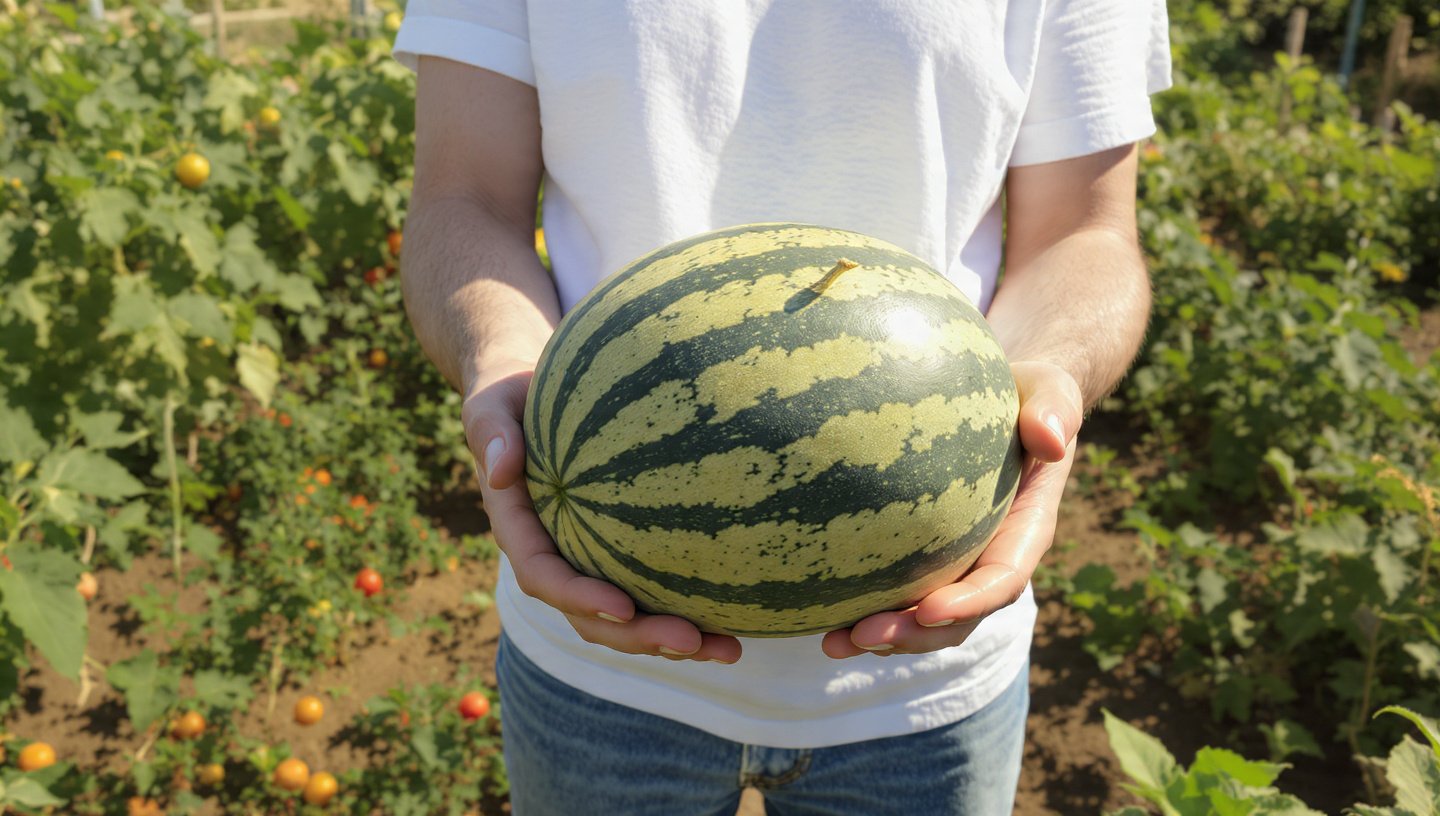
Growing melons sounds simple—plant seeds, water regularly, and wait for juicy fruit. Yet many gardeners end up disappointed with small, bland, or poorly formed melons. The plants look healthy, vines spread everywhere, flowers appear… but the fruits never reach their full potential.
The surprising truth is that one common mistake is responsible for most melon-growing failures. Avoid it, and you’ll dramatically improve fruit size, sweetness, and overall yield.
Let’s break down what that mistake is, why it matters so much, and exactly what to do instead.
The Biggest Mistake: Feeding the Plant Instead of the Fruit
The most common mistake gardeners make when growing melons is overfeeding nitrogen for too long.
Nitrogen is essential early in the plant’s life—it helps vines and leaves grow strong. But once flowering begins, too much nitrogen shifts the plant’s energy into leaf growth instead of fruit development.
What happens when nitrogen is too high:
- Long, fast-growing vines
- Huge, dark green leaves
- Plenty of flowers, but poor fruit set
- Small, watery, or bland melons
In short, the plant looks impressive, but the harvest disappoints.
Why Melons Need a Shift in Nutrition
Melons are heavy feeders, but they don’t need the same nutrients at every stage of growth.
Growth stages and needs:
- Early growth: Nitrogen for leaves and vines
- Flowering: Balanced nutrients
- Fruit development: Potassium and phosphorus
If you continue feeding nitrogen-rich fertilizer after flowering, the plant keeps growing leaves instead of sweet fruit.
The Simple Fix That Makes a Huge Difference
Once your melon plants begin to flower, stop high-nitrogen feeding and switch to a fruit-focused nutrient plan.
What to do instead:
- Reduce nitrogen inputs
- Increase potassium for sweetness
- Provide phosphorus for strong fruit development
This single adjustment tells the plant it’s time to focus on producing melons—not more vines.
Signs You’ve Made the Mistake (And How to Correct It)
If you notice these symptoms, nitrogen overload is likely the issue:
- Lots of vine growth but few fruits
- Flowers falling off before setting fruit
- Melons growing slowly or unevenly
- Fruits lacking sweetness
How to fix it fast:
- Stop nitrogen fertilizers immediately
- Flush soil lightly with water (for container plants)
- Add compost or potassium-rich organic feed
- Prune excess vine growth carefully
Within weeks, plants often correct course.
Watering Mistakes That Ruin Sweetness
Even if nutrients are perfect, watering mistakes can still ruin melon flavor.
The most damaging watering error:
Overwatering during fruit ripening.
Too much water late in the season dilutes sugars, resulting in bland melons.
Correct watering strategy:
- Deep watering during early growth
- Consistent moisture during flowering
- Reduce watering once fruits begin to mature
Slight water stress near ripening concentrates sugars and improves flavor.
Sunlight: The Hidden Sweetness Booster
Melons need full sun to develop sugars properly. No amount of fertilizer can compensate for low light.
For best results:
- Provide 6–8+ hours of direct sunlight
- Avoid shading from tall plants
- Train vines to spread evenly
More sun equals more photosynthesis—and sweeter fruit.
Pollination Problems That Limit Fruit Size
Another overlooked issue is poor pollination. Even healthy plants can produce small or misshapen melons if flowers aren’t properly pollinated.
Signs of poor pollination:
- Fruit starts growing, then stops
- Misshapen or lopsided melons
- Fruit drop shortly after forming
How to improve pollination:
- Avoid spraying pesticides during flowering
- Encourage bees with flowering plants nearby
- Hand-pollinate using a small brush if needed
Better pollination leads directly to larger, more uniform melons.
Pruning: Fewer Fruits, Bigger Results
Many gardeners think more fruit equals better harvests. With melons, the opposite is often true.
If a vine carries too many fruits, none reach full size or sweetness.
Smart pruning tips:
- Limit each vine to 3–5 fruits
- Remove excess flowers after fruit sets
- Trim overly long side shoots
This concentrates energy into fewer melons—making them bigger and sweeter.
Soil Health Matters More Than You Think
Melons thrive in loose, well-draining, nutrient-rich soil. Compacted or depleted soil stresses plants and limits fruit development.
Improve soil by:
- Adding compost before planting
- Ensuring good drainage
- Mulching to retain moisture
- Avoiding waterlogged conditions
Healthy roots mean better nutrient uptake and stronger fruit growth.
Timing the Harvest Correctly
Even perfectly grown melons can disappoint if harvested too early.
Signs melons are ready:
- Sweet aroma at the stem end
- Skin color changes
- Vine begins to dry near the fruit
- Fruit easily separates from the vine
Harvesting at peak ripeness ensures maximum sweetness.
Why Avoiding This One Mistake Changes Everything
When you stop overfeeding nitrogen and shift your care toward fruit development, everything improves:
- Larger melons
- Better sugar content
- Stronger flavor
- More consistent harvests
It’s not about working harder—it’s about working smarter.
Final Thoughts
If your melons have never reached their full potential, chances are you weren’t far off. By avoiding just one critical mistake—feeding leafy growth instead of fruit—you can transform your melon harvest.
Focus on balanced nutrition, smart watering, good sunlight, and controlled growth. Do that, and your melons won’t just grow—they’ll grow big, sweet, and worth the wait.