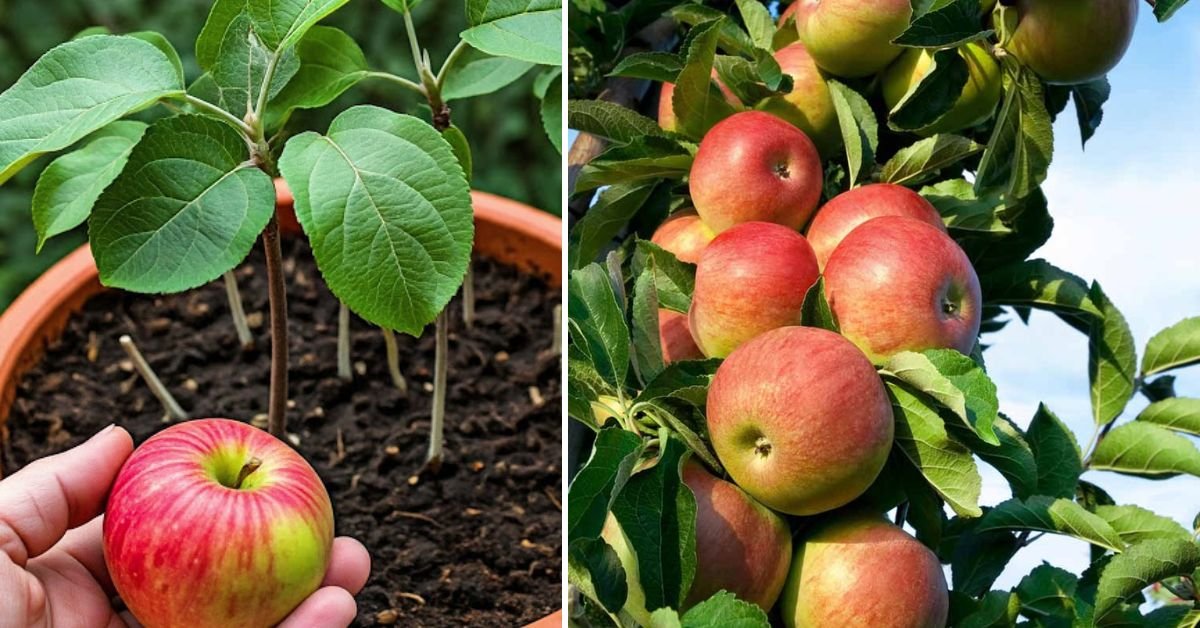
Growing an apple tree is truly a rewarding experience. From watching the first buds appear in spring to harvesting crisp, homegrown apples, the journey connects you deeply with nature. Many people believe apple trees are difficult to grow or require large orchards, but the truth is that even beginners and home gardeners can successfully grow apple trees with the right knowledge and care. This complete guide will walk you through everything you need to know—from choosing the right variety to enjoying your first harvest.
Why Grow an Apple Tree at Home?
Apple trees are more than just fruit producers; they add beauty, shade, and seasonal interest to your garden. In spring, they burst into fragrant blossoms, while autumn brings colorful fruits and foliage. Homegrown apples are fresher, tastier, and free from harmful chemicals, making them healthier for your family. Additionally, growing your own apple tree can save money over time and give you the satisfaction of harvesting fruit you nurtured yourself.
Choosing the Right Apple Variety
Selecting the right apple variety is the foundation of success. Apple varieties differ in taste, size, climate adaptability, and pollination needs. Some apples are sweet, others tart, and some perfect for cooking or juicing.
When choosing a variety, consider:
- Climate compatibility: Choose varieties suited to your local temperature and chilling hours.
- Purpose: Decide whether you want apples for fresh eating, baking, or storage.
- Tree size: Dwarf and semi-dwarf varieties are ideal for small gardens and containers.
Many apple trees require cross-pollination, meaning you may need two compatible varieties planted nearby to ensure good fruit production.
Best Location for Planting an Apple Tree
Apple trees thrive in full sunlight. Choose a location that receives at least 6–8 hours of direct sunlight daily. Good air circulation is also important to prevent fungal diseases.
Soil quality matters greatly:
- Well-drained soil is essential; apple trees dislike waterlogged roots.
- Slightly acidic to neutral soil (pH 6.0–7.0) is ideal.
- Enrich the soil with compost or well-rotted manure before planting.
Avoid low-lying areas where frost can settle, as late frosts can damage blossoms.
How to Plant an Apple Tree
The best time to plant apple trees is during late winter or early spring when the tree is dormant. Bare-root trees are commonly planted during this period, while container-grown trees can be planted almost any time of the year.
Planting steps:
- Dig a hole twice as wide and deep as the root ball.
- Place the tree in the hole, spreading the roots gently.
- Ensure the graft union (the swollen area near the base) remains above soil level.
- Backfill with soil, firm gently, and water thoroughly.
- Add mulch around the base to retain moisture and suppress weeds, keeping it away from the trunk.
Watering and Feeding Your Apple Tree
Young apple trees need regular watering to establish strong roots. Water deeply once or twice a week, depending on rainfall and soil type. Mature trees are more drought-tolerant but still benefit from deep watering during dry periods.
Feeding is equally important:
- Apply compost annually in early spring.
- Use a balanced organic fertilizer if growth seems weak.
- Avoid excessive nitrogen, which encourages leaf growth at the expense of fruit.
Healthy nutrition supports strong growth, flowering, and fruit development.
Pruning for Healthy Growth and Better Yields
Pruning is essential for shaping the tree, improving airflow, and increasing fruit production. Many beginners fear pruning, but it is simpler than it seems.
Key pruning tips:
- Prune during late winter when the tree is dormant.
- Remove dead, diseased, or crossing branches.
- Maintain an open center or central leader structure to allow sunlight inside the canopy.
Regular pruning results in stronger branches, larger fruits, and easier harvesting.
Pollination and Flowering
Apple trees bloom in spring, producing beautiful blossoms that attract bees and other pollinators. Good pollination is crucial for fruit formation. If your variety is not self-fertile, planting a second compatible apple tree nearby will greatly improve yields.
Encouraging pollinators by planting flowers and avoiding pesticides during bloom time can make a noticeable difference in fruit set.
Common Pests and Diseases
Like all fruit trees, apple trees can face pests and diseases. However, with proper care, most problems can be minimized.
Common issues include:
- Aphids and caterpillars damaging leaves.
- Fungal diseases like apple scab and powdery mildew.
Preventive measures include:
- Keeping the area around the tree clean.
- Pruning for good airflow.
- Using organic sprays only when necessary.
Healthy trees are naturally more resistant to problems.
When and How to Harvest Apples
Apple trees usually begin producing fruit 2–5 years after planting, depending on the variety and rootstock. Apples are ready to harvest when they have full color, a firm texture, and come off easily when gently twisted.
Harvest carefully to avoid bruising. Apples can be eaten fresh, stored in a cool place, or used for cooking, baking, and preserving.
Growing Apple Trees in Small Spaces and Containers
If you have limited space, don’t worry. Dwarf apple trees can be grown successfully in large containers or small yards. Container-grown trees need:
- A large pot with good drainage.
- Regular watering and feeding.
- Occasional root pruning and repotting.
This makes apple growing accessible even for balcony and patio gardeners.
Conclusion
Growing an apple tree is truly an amazing and fulfilling journey for beginners and home gardeners alike. With the right variety, proper planting, regular care, and a little patience, you can enjoy fresh, delicious apples straight from your garden. Beyond the harvest, apple trees offer beauty, shade, and a deeper connection to nature. Whether you have a large backyard or a small patio, planting an apple tree is a step toward a healthier, greener, and more rewarding lifestyle.