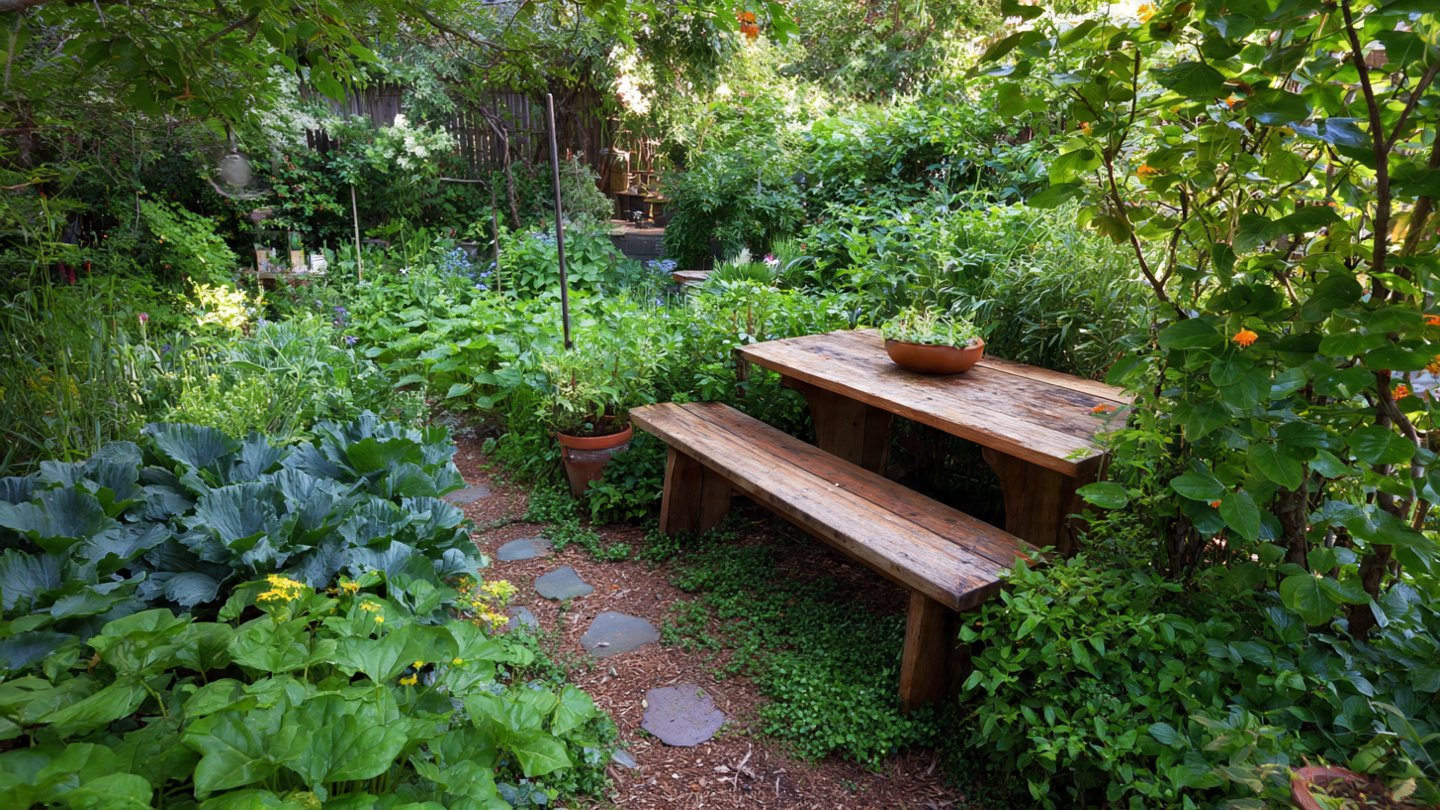
A vegetable garden is a source of fresh produce, health, and satisfaction, but it’s also an opportunity to create a space for relaxation and enjoyment. Many gardeners focus solely on planting, watering, and harvesting, overlooking the value of incorporating a dedicated spot to unwind, meditate, or simply enjoy the fruits of their labor. Integrating a comfortable and inviting retreat within your vegetable garden can transform it from a functional space into a sanctuary of calm and inspiration.
This article explores why a relaxation spot is essential for your vegetable garden, how to design it, and creative ways to make your garden a true retreat.
Why Your Vegetable Garden Needs a Relaxation Spot
1. Enhances Enjoyment of Gardening
Spending hours tending to plants can be rewarding, but without a designated area to sit and appreciate your work, gardening may feel like a task rather than a pleasure. A comfortable corner encourages you to pause, reflect, and enjoy the sights, smells, and sounds of your thriving garden.
2. Promotes Mental Well-Being
Gardens have long been recognized for their calming effects. Studies show that exposure to greenery reduces stress, lowers blood pressure, and enhances mood. A dedicated relaxation spot allows you to fully experience these mental health benefits while surrounded by nature.
3. Encourages Family and Social Interaction
A seating area in your garden can be a gathering spot for family or friends. Sharing the harvest over a cup of tea or engaging children in observing plants can strengthen connections and make gardening a social experience.
4. Maximizes Garden Aesthetics
A well-designed relaxation spot becomes a focal point in your vegetable garden. It adds layers of texture, color, and visual interest, turning the garden into a space that’s both productive and beautiful.
Choosing the Right Spot in Your Garden
Selecting the perfect location is the first step in creating a garden retreat. Consider these factors:
- Sunlight and Shade: Choose a spot that provides a balance of sun and shade. Morning sun and afternoon shade often work best.
- Accessibility: Ensure your seating area is easy to reach without stepping on plants. Pathways or stepping stones can help.
- Privacy: If your garden is visible from neighbors or streets, consider using tall plants, a fedge, or trellises to create a secluded corner.
- Views: Position the spot to overlook your favorite plants, raised beds, or flowering vegetables for maximum enjoyment.
A well-chosen location enhances the usability and ambiance of your relaxation spot.
Selecting Seating and Furniture
Comfortable seating is essential for a garden retreat. Consider these options:
1. Benches
A wooden or metal bench provides a classic, durable option. Place it near the center of the garden or along a pathway for easy access. Cushions and waterproof covers add comfort.
2. Chairs and Bistro Sets
For smaller gardens, a two-person bistro set offers seating without taking up much space. It doubles as a dining area for meals or tea.
3. Hammocks or Swing Chairs
If you have sturdy supports or trees, a hammock or hanging chair provides a cozy, relaxing option. Gentle swinging adds a sense of calm.
4. Natural Seating
Use large stones, tree stumps, or reclaimed wood for seating that blends seamlessly into the garden’s natural environment.
Regardless of style, the key is comfort and integration with the surrounding greenery.
Adding Shade and Shelter
Spending time in your garden is more enjoyable when you are protected from harsh sunlight and sudden rain. Consider these ideas:
- Pergolas or Arbors: Combine shade with vertical gardening by growing climbing plants like beans, peas, or morning glories.
- Umbrellas: Portable and adjustable, garden umbrellas provide flexibility in smaller spaces.
- Trellises: Vertical supports for vines can offer natural shade and privacy while adding greenery.
- Shade Cloths: Lightweight fabric can be used to protect delicate vegetables and create a comfortable sitting area.
Shade structures also allow you to spend more time in the garden comfortably during summer afternoons.
Incorporating Natural Elements
A relaxing garden spot is enhanced by natural elements that engage the senses.
1. Water Features
Small fountains, birdbaths, or miniature ponds provide soothing sounds that promote calm and attract wildlife.
2. Aromatic Plants
Herbs like mint, basil, lavender, or rosemary release fragrant aromas when brushed against or gently harvested. These plants also complement edible gardens.
3. Colorful Flowers and Vegetables
Mix flowering plants with vegetables to create visual appeal. Marigolds, nasturtiums, or calendula not only look beautiful but also repel pests, adding practical benefits.
4. Mulch and Ground Cover
Soft pathways made of mulch, gravel, or clover provide a pleasant walking surface and reduce maintenance while adding texture and warmth.
These elements enhance the sensory experience, making your garden retreat inviting and peaceful.
Lighting for Evening Enjoyment
Extending the usability of your garden into the evening requires thoughtful lighting:
- Solar Path Lights: Highlight walkways and garden edges without wiring or electricity.
- String Lights: Add ambiance around seating areas or pergolas.
- Lanterns: Portable lanterns provide soft, movable lighting for small retreats.
- Spotlights: Use spotlights to highlight focal plants or art features in your garden.
Soft, warm lighting creates a magical atmosphere and allows you to enjoy the garden after sunset.
Integrating Mindfulness and Relaxation Practices
Your garden retreat can be more than a seating area. It can serve as a space for mindfulness, meditation, or journaling.
- Meditation: Focus on the sounds of birds, the rustle of leaves, or the scent of herbs for stress relief.
- Reading and Writing: Enjoy a book or garden journal while surrounded by your plants.
- Mindful Harvesting: Slowly harvesting vegetables and herbs can enhance awareness and connection with your food.
Integrating mindfulness practices transforms your vegetable garden into a holistic retreat.
Practical Tips for Maintenance
A garden retreat should be low-maintenance to remain inviting:
- Keep pathways clear and stable with mulch, gravel, or stepping stones.
- Regularly prune surrounding plants to prevent overgrowth into the seating area.
- Protect furniture with covers or weather-resistant materials.
- Clean water features regularly to prevent algae or mosquito breeding.
- Rotate herbs and flowering plants seasonally for continuous fragrance and visual appeal.
Minimal effort ensures that your relaxation spot remains usable year-round.
Transforming Your Vegetable Garden Into a Complete Retreat
By integrating a dedicated relaxation spot, your vegetable garden transforms from a functional space into a holistic retreat. You gain:
- A personal space to enjoy the beauty and productivity of your garden.
- Mental health benefits from exposure to nature and mindfulness practices.
- Opportunities to share your garden with family and friends.
- An aesthetically pleasing focal point that complements your edible plants.
Even small adjustments—a bench in a sunny corner, a pergola with climbing beans, or a fragrant herb border—can dramatically improve your garden’s enjoyment factor.
Conclusion
A vegetable garden is much more than a source of fresh produce. By creating a dedicated relaxation spot, you enhance the beauty, functionality, and emotional value of your outdoor space. Whether it’s a small bistro set tucked between raised beds, a hammock under a trellis, or a bench surrounded by herbs and flowers, a well-designed garden retreat allows you to pause, reflect, and truly enjoy the fruits of your labor.
Adding a relaxing area also encourages mindfulness, reduces stress, and transforms gardening from a chore into a lifestyle experience. By thoughtfully integrating seating, shade, sensory elements, and lighting, you can turn any vegetable garden—large or small—into a sanctuary of calm and inspiration.
Creating a retreat within your garden ensures that every visit is not just about planting and harvesting, but also about enjoying, relaxing, and connecting with nature in a meaningful way.