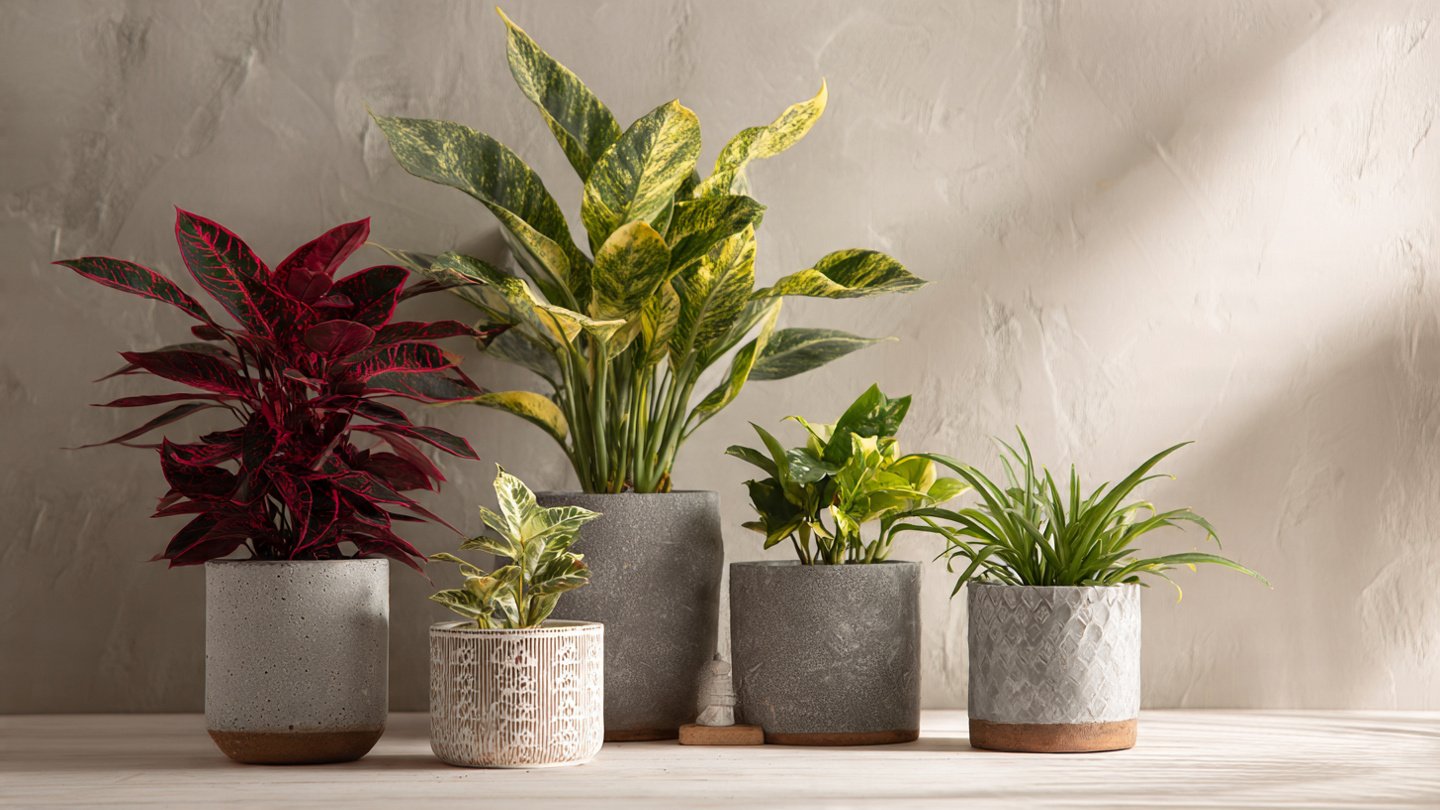
Indoor plants are more than just decoration—they can transform your living space, improve air quality, boost mood, and add natural style to every corner of your home. From sleek, modern minimalism to cozy, jungle-inspired interiors, the right indoor plants can complement any design aesthetic while creating a calming, welcoming atmosphere. In this article, we’ll explore a variety of indoor plants that not only look stunning but are also easy to care for, so you can bring life and style into your home effortlessly.
1. Fiddle Leaf Fig: Statement Plant for Bold Interiors
The Fiddle Leaf Fig (Ficus lyrata) is one of the most popular indoor plants for good reason. Its large, glossy leaves make a dramatic statement, adding height and texture to any room. Fiddle Leaf Figs thrive in bright, indirect light and require moderate watering—allowing the soil to dry slightly between waterings helps prevent root rot.
- Styling tip: Place a Fiddle Leaf Fig in a corner or near a window to create a living focal point in living rooms or entryways. Pair with neutral décor for a sophisticated look.
2. Snake Plant: Sleek and Low-Maintenance
The Snake Plant (Sansevieria trifasciata) is perfect for both beginners and design enthusiasts. Its upright, sword-like leaves and variegated patterns add a modern edge to interiors. Snake Plants are extremely hardy—they can tolerate low light, irregular watering, and still thrive.
- Air quality benefit: Snake Plants are known for their air-purifying properties, removing toxins such as formaldehyde and benzene from indoor air.
- Styling tip: Use a minimalist planter or a geometric pot to enhance the plant’s architectural look.
3. Monstera Deliciosa: Iconic Tropical Vibes
The Monstera Deliciosa, also known as the Swiss Cheese Plant, brings a tropical flair indoors with its large, split leaves. It thrives in bright, indirect light and appreciates humidity, making it ideal for bathrooms, kitchens, or living spaces with good airflow.
- Styling tip: Use Monstera leaves as part of your interior photoshoots or tabletop décor. Its large leaves work beautifully in woven baskets or ceramic pots to match bohemian or tropical interiors.
4. Pothos: The Versatile Trailing Plant
Pothos (Epipremnum aureum) is a versatile, trailing plant that adapts to a wide range of lighting conditions, from low light to bright indirect sunlight. Its cascading vines make it perfect for hanging planters, shelves, or as a tabletop accent.
- Low maintenance: Pothos is highly forgiving and can thrive even if you occasionally forget to water it.
- Styling tip: Let its vines drape over furniture or walls for a relaxed, natural look. Varieties like Golden Pothos or Marble Queen add extra visual interest with their patterned leaves.
5. ZZ Plant: Elegant and Resilient
The ZZ Plant (Zamioculcas zamiifolia) is an elegant indoor plant with glossy, dark green leaves that reflect light beautifully. ZZ Plants are extremely drought-tolerant and can survive in low-light areas, making them ideal for offices, hallways, or corners that don’t receive much natural sunlight.
- Styling tip: Place a ZZ Plant in a sleek, tall planter to complement modern interiors. Its architectural form works well with minimalist furniture.
6. Peace Lily: Flowering Beauty Indoors
The Peace Lily (Spathiphyllum) is not only attractive but also functional, thanks to its ability to filter indoor air pollutants. Its deep green foliage and occasional white blooms bring elegance and serenity to any room.
- Care: Peace Lilies prefer low to medium indirect light and slightly moist soil. They can tolerate some neglect, but their blooms flourish with consistent care.
- Styling tip: Use in bedrooms or living areas for a calming atmosphere. White blooms pop against dark green leaves, making them a versatile décor element.
7. Rubber Plant: Bold and Dramatic
The Rubber Plant (Ficus elastica) is a classic indoor favorite with broad, glossy leaves that add drama to interiors. Rubber Plants grow well in medium to bright indirect light and need moderate watering.
- Styling tip: Place in a statement pot or corner to create a living sculpture effect. Its dark green or burgundy leaves contrast beautifully with neutral décor or light-colored walls.
8. Herbs and Edible Indoor Plants
Indoor gardening isn’t limited to ornamental plants—herbs like Basil, Rosemary, Mint, and Thyme bring life to kitchens while providing fresh ingredients for cooking. They thrive on sunny windowsills or under grow lights.
- Styling tip: Use small, matching pots or mason jars to create a tidy herb display. Trailing herbs like thyme can cascade over the edge of the counter for a charming effect.
9. Calathea: Patterns That Pop
The Calathea is renowned for its striking, patterned leaves that resemble intricate art. These tropical plants love humidity and indirect light and are great for adding color and texture to darker spaces.
- Styling tip: Place a Calathea on a side table or near a plant stand where its leaf patterns can be appreciated. Pair with neutral décor to make the foliage the star of the room.
10. Ficus Bonsai: Miniature Living Art
For those looking for something unique, a Ficus Bonsai combines indoor greenery with sculptural artistry. Bonsais require bright, indirect light, careful watering, and occasional pruning to maintain their shape.
- Styling tip: Use on desks, shelves, or coffee tables. Bonsais add a meditative and elegant vibe to your home, reflecting patience and creativity.
How to Style Indoor Plants
To truly bring life and style into your home, consider the following styling tips:
- Mix heights and textures: Combine tall plants like Fiddle Leaf Figs with trailing plants like Pothos or compact plants like Calathea for visual interest.
- Use decorative pots: Neutral, metallic, or patterned pots can complement your interior theme.
- Group plants: Create clusters on shelves, tables, or plant stands to enhance impact.
- Incorporate plants into functional spaces: Place a ZZ Plant in the entryway or a herb garden on the kitchen counter for practicality and beauty.
- Lighting consideration: Match plants with their preferred lighting conditions to ensure health and longevity.
Benefits of Indoor Plants
Indoor plants are more than decorative—they provide multiple benefits for home environments:
- Air purification: Many indoor plants filter toxins and improve air quality.
- Stress reduction: Studies show that being around greenery can lower stress levels and enhance mood.
- Aesthetic enhancement: Plants add color, texture, and life to any room.
- Humidification: Plants release moisture through transpiration, helping maintain indoor humidity.
- Creativity boost: A green workspace can inspire productivity and creativity.
Conclusion
Incorporating indoor plants into your home is one of the easiest and most effective ways to create a vibrant, stylish, and healthy environment. From statement-makers like the Fiddle Leaf Fig to low-maintenance options like Snake Plants and ZZ Plants, there’s a perfect indoor plant for every space and lifestyle. Combining different textures, heights, and pot styles can elevate your interiors, while the natural benefits of greenery enhance well-being. Whether you’re a beginner or a seasoned plant parent, adding indoor plants is a simple yet powerful way to bring life and style to your home.