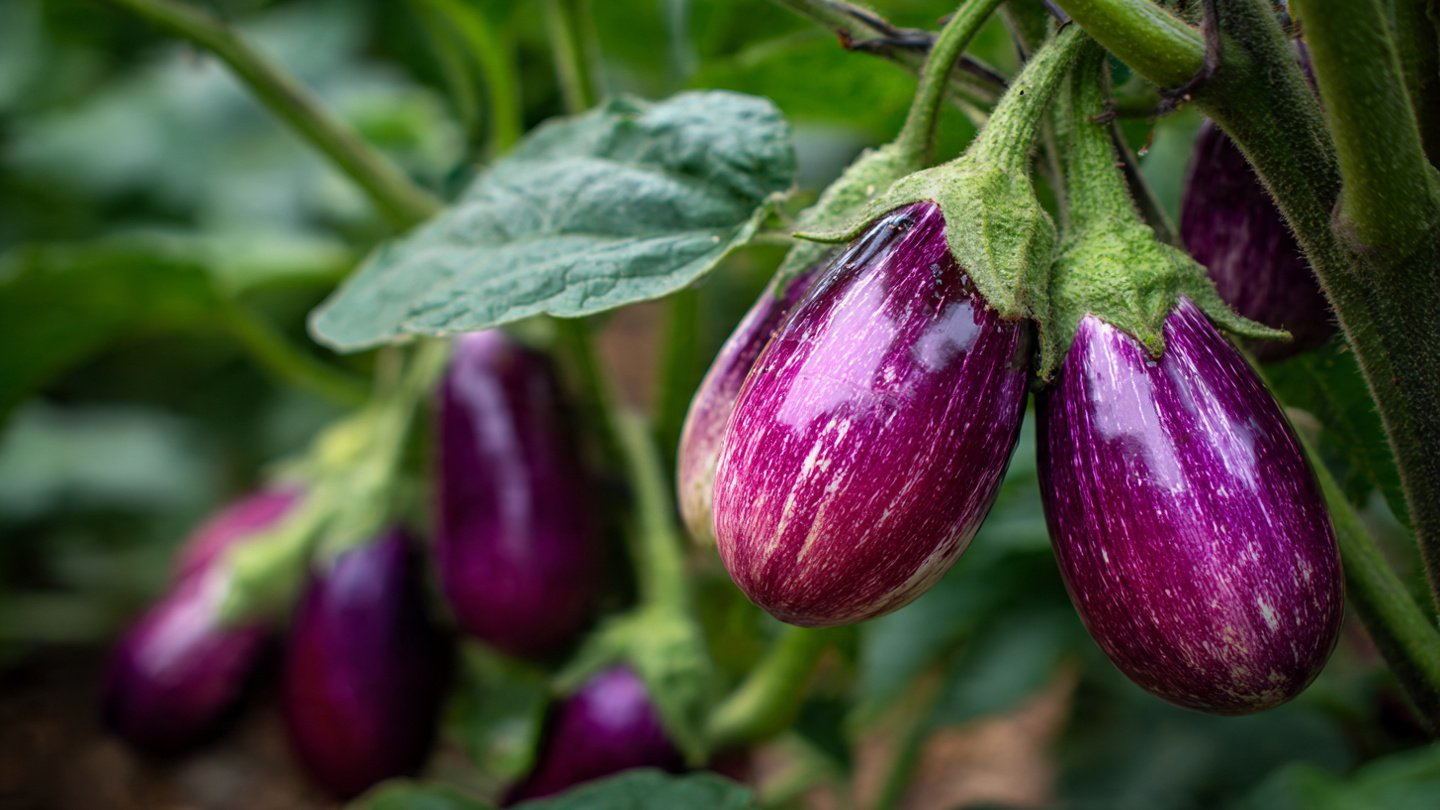
Gardening is full of intriguing experiments, and one of the most talked-about methods among plant enthusiasts is growing eggplants alongside bananas. At first glance, this combination might seem unusual, even quirky, but both crops share complementary growth requirements that, in theory, could benefit each other. Curious about the hype, I decided to try it myself. Here’s a deep dive into my journey, the science behind it, and whether this unusual pairing really works.
The Idea Behind Growing Eggplants with Bananas
Before jumping into the experiment, it’s important to understand why gardeners might try planting eggplants with bananas. The idea comes from companion planting principles, which suggest that certain plants grow better when paired with others due to mutual benefits like nutrient exchange, pest control, or improved soil health.
Bananas are nutrient-rich plants that shed leaves and organic matter, which decompose into fertile, humus-rich soil. This natural mulch releases potassium, nitrogen, and phosphorus—essential nutrients that eggplants need for robust growth and fruiting.
Eggplants (Solanum melongena) thrive in warm, nutrient-rich soil and need consistent moisture and sunlight. Bananas, which prefer similar conditions, could theoretically create a microclimate that supports eggplant growth by providing shade, retaining soil moisture, and enhancing soil fertility.
The theory sounded promising: fertile soil, warm conditions, and natural mulch from banana leaves could help eggplants grow faster, healthier, and potentially produce more fruit.
Preparing the Garden for the Experiment
To test this idea, I had to carefully plan my garden setup. I wanted to mimic natural conditions while ensuring both plants had space and nutrients:
- Site Selection: I chose a spot with full sun exposure, as both bananas and eggplants need 6–8 hours of sunlight daily. The area had well-draining soil with a slightly acidic to neutral pH (6.0–7.0).
- Soil Preparation: I enriched the soil with compost and organic matter to ensure that the nutrient demands of both plants could be met. Bananas are heavy feeders, so the soil needed to support rapid growth.
- Planting Layout: I planted young banana saplings first, giving them a few weeks to establish roots. Then, I planted eggplants around the bananas, leaving adequate spacing—approximately 2–3 feet from the base of each banana plant. Proper spacing is critical to prevent competition for light and nutrients.
- Mulching: I applied a thick layer of banana leaves and organic mulch around both plants to retain moisture and slowly release nutrients as the leaves decomposed.
The preparation phase was crucial. Without proper soil fertility and sunlight, the experiment would fail before it even started.
The First Few Weeks: Establishment Phase
During the first few weeks, I observed how the eggplants responded to the presence of bananas:
- Soil Moisture: The decomposing banana leaves retained moisture well, reducing the frequency of watering. Eggplants seemed to benefit from the consistent soil moisture.
- Microclimate Effects: The banana plants, even as small saplings, began providing partial shade during the hottest part of the day. Eggplants, which can sometimes suffer from heat stress, appeared less wilted and more vigorous.
- Growth Rate: I noticed that the eggplants sprouted strong stems and dark green leaves, suggesting that the nutrient-rich environment was supporting healthy growth.
Early signs were promising, but it was too soon to determine whether this pairing would significantly enhance fruiting.
Nutrient Dynamics Between Eggplants and Bananas
One of the most fascinating aspects of this experiment is how nutrients cycle between the plants:
- Potassium Boost: Bananas are naturally high in potassium, which is critical for flower and fruit development in eggplants. As banana leaves decompose, potassium is released into the soil.
- Nitrogen Supply: Eggplants require nitrogen for leafy growth. Banana plants also contribute nitrogen through their leaf litter and root exudates.
- Phosphorus for Roots: Both plants benefit from phosphorus, which supports root development. The rich organic matter around the base of the banana trees enhanced the root system of the eggplants.
This nutrient synergy seemed to encourage healthy growth in both plants, aligning with the theory behind companion planting.
Challenges Encountered
While the experiment showed promise, it wasn’t without challenges:
- Competition for Sunlight: Bananas grow tall quickly, and their broad leaves can overshadow eggplants. To prevent excessive shading, I pruned some banana leaves carefully to allow sufficient sunlight for the eggplants.
- Watering Demands: Both plants are heavy feeders and thirsty. During dry spells, I needed to increase watering frequency to prevent stress.
- Space Management: Bananas expand horizontally through suckers, which can crowd eggplants if not managed. Removing excess suckers ensured that eggplants had room to thrive.
- Pests: Aphids and caterpillars appeared on eggplants, likely attracted by the shaded, humid environment near the banana plants. Regular monitoring and organic interventions like neem oil were necessary.
Managing these challenges required careful observation, but none were insurmountable.
Flowering and Fruiting Observations
After about 8–10 weeks, the eggplants began flowering, a critical stage in the experiment:
- Flower Development: Eggplants near banana plants developed large, vibrant flowers. The potassium-rich soil likely contributed to this improvement.
- Fruit Set: Once pollination occurred, I noticed a higher number of developing fruits compared to eggplants planted away from bananas in other parts of my garden.
- Fruit Quality: The eggplants were glossy, firm, and uniform in size, suggesting that the nutrient availability and microclimate positively influenced fruit quality.
These results were encouraging, indicating that growing eggplants alongside bananas could enhance growth and fruit production under the right conditions.
Lessons Learned
Through this experiment, several key lessons emerged:
- Nutrient Synergy Matters: Banana plants contribute valuable nutrients to the soil, especially potassium, which is essential for eggplant flowering and fruiting.
- Microclimate Benefits: Partial shade from banana leaves can protect eggplants from excessive heat, reducing stress and encouraging steady growth.
- Space Management Is Critical: Regular pruning and sucker removal are necessary to prevent bananas from overshadowing eggplants.
- Pest Monitoring: Dense planting and humid microclimates can attract pests. Regular inspection and organic control methods are essential.
- Watering Coordination: Both plants have high water demands, so a consistent watering schedule is necessary for optimal results.
By addressing these factors, gardeners can successfully pair eggplants with bananas without compromising plant health or fruit quality.
Does It Really Work?
Based on my observations, growing eggplants with bananas does work under the right conditions. Key takeaways include:
- Eggplants benefit from nutrient-rich soil enhanced by decomposing banana leaves.
- Partial shading from bananas reduces heat stress, which can otherwise stunt growth or damage flowers.
- Fruit production and quality can improve due to the combination of nutrients and microclimate effects.
- Challenges like competition for sunlight, pest management, and water requirements must be actively managed.
While not a magic solution, this companion planting method offers practical benefits for gardeners willing to invest attention and care.
Tips for Gardeners Wanting to Try This
If you’re considering experimenting with eggplants and bananas in your garden, here are some tips:
- Select Appropriate Varieties: Use dwarf or semi-dwarf banana varieties for smaller spaces. Choose eggplants suited to your climate.
- Space Carefully: Maintain at least 2–3 feet between eggplants and banana bases to reduce competition.
- Mulch Regularly: Use banana leaves or organic mulch to retain moisture and provide slow-release nutrients.
- Prune and Manage Growth: Regularly remove banana suckers and excess leaves to balance light availability.
- Monitor for Pests: Dense planting may attract insects; use organic pest control methods as needed.
- Be Patient: Both plants are heavy feeders and may take time to reach full productivity.
With these steps, your eggplants and bananas can form a mutually beneficial garden partnership.
Conclusion
My experiment growing eggplants with bananas was both educational and rewarding. While it requires careful planning, watering, and pest management, the combination can enhance growth, improve fruit quality, and create a fertile, low-maintenance microenvironment.
Key takeaways include:
- Banana plants provide nutrients, particularly potassium, which supports eggplant flowering and fruiting.
- Partial shading reduces heat stress and encourages healthier leaves.
- Proper spacing, pruning, and sucker management are essential to prevent competition.
- Consistent watering and organic pest control maintain plant health.
Ultimately, growing eggplants with bananas can work and may be an exciting experiment for gardeners looking to try innovative planting techniques. This method aligns with natural gardening principles and demonstrates how plants can support each other when thoughtfully combined.
For anyone seeking to maximize yield, improve fruit quality, and explore creative gardening strategies, pairing eggplants with bananas is worth a try—it may just transform your garden into a vibrant, productive ecosystem.