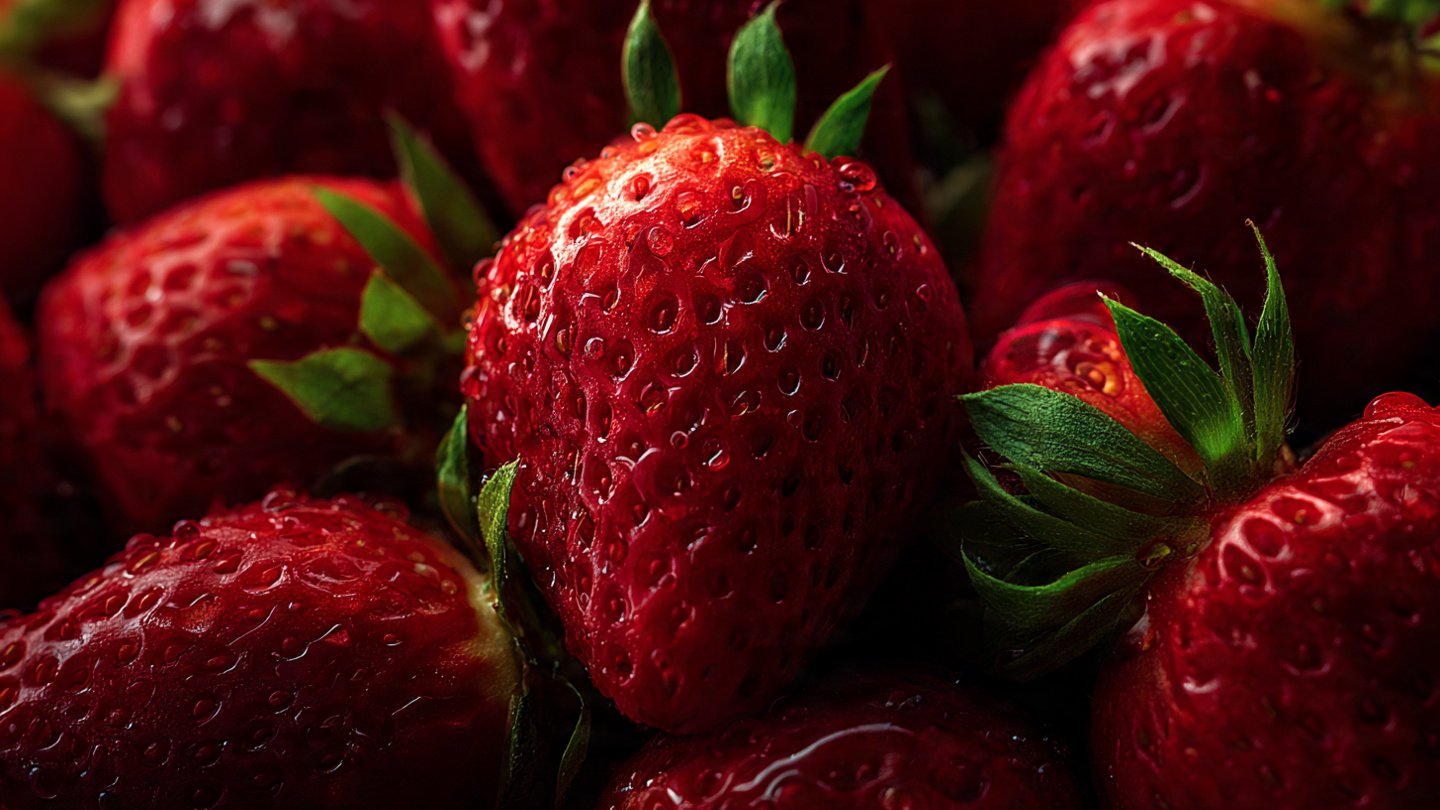
When I first decided to grow strawberries, I had almost nothing going for me—no garden beds, no fancy tools, and very little experience. I planted a few small strawberry starts mostly as an experiment, expecting maybe a handful of berries if I was lucky. What I didn’t expect was how quickly those humble beginnings would turn into a strawberry explosion.
Fast forward a season later, and I was picking bowls of ripe, sweet strawberries almost every day. Friends were getting free fruit, my freezer was full, and I still couldn’t keep up. The best part? It wasn’t luck. It was a few simple strategies that completely changed the results.
If you’re starting with “nothing” and dreaming of a massive strawberry harvest, here’s exactly how it happens.
Why Strawberries Are Perfect for Beginners
Strawberries are one of the most rewarding fruits you can grow. They don’t require deep soil, they adapt to containers, raised beds, or ground planting, and once established, they multiply on their own.
Even better, strawberry plants:
- Produce fruit quickly
- Spread naturally through runners
- Thrive in small spaces
- Come back year after year
That makes them ideal for gardeners who want big results without complicated techniques.
Step 1: Start Small—but Start Right
I didn’t plant dozens of strawberry plants at first. I started with just a few healthy ones. That turned out to be an advantage, because I could focus on giving them the best possible conditions.
What mattered most:
- Healthy, disease-free plants
- Well-draining soil
- Plenty of sunlight (at least 6 hours daily)
Strawberries hate soggy soil. Once I improved drainage and loosened the soil with compost, growth exploded.
Lesson learned: It’s better to start with a few strong plants than many weak ones.
Step 2: Feed the Soil, Not Just the Plant
The real secret behind my overflowing harvest wasn’t fertilizer—it was soil health.
I mixed compost into the soil before planting and added organic matter regularly. Rich soil meant stronger roots, faster growth, and more flowers.
Simple soil boosters that worked:
- Finished compost
- Aged manure
- Leaf mold or vermicompost
Healthy soil holds moisture, provides nutrients slowly, and keeps plants stress-free. Stress-free plants produce more fruit.
Step 3: Mulch Changed Everything
This was the turning point.
Once I added mulch around my strawberry plants, the difference was dramatic. Mulch kept moisture consistent, reduced weeds, and prevented fruit from touching the soil and rotting.
Best mulches for strawberries:
- Straw (the classic choice)
- Pine needles
- Dry grass clippings
- Shredded leaves
After mulching, berries stayed cleaner, larger, and sweeter—and I spent far less time watering and weeding.
Step 4: Let Runners Work for You
Strawberries naturally produce runners—long stems that create new baby plants. At first, I made the mistake of cutting them all off. Later, I learned how powerful they really are.
By allowing runners to root, I multiplied my strawberry patch for free.
How I managed runners:
- First year: Removed most runners to strengthen parent plants
- Second year: Let runners root in open spaces
- Third year: A full, dense strawberry patch
This is how “nothing” turns into abundance—without buying more plants.
Step 5: Water Consistently (But Don’t Overdo It)
Strawberries have shallow roots, which means they dry out quickly. Inconsistent watering leads to small, sour berries and stressed plants.
I switched to deep, regular watering instead of frequent shallow splashes.
Watering tips that worked:
- Water at soil level, not on leaves
- Keep soil evenly moist
- Increase watering during flowering and fruiting
Once watering became consistent, berry size and flavor improved immediately.
Step 6: Flowers Mean Fruit—Protect Them
More flowers equal more strawberries, but only if they stay healthy.
I started paying attention during flowering time:
- Protected plants from heat stress
- Avoided overhead watering
- Kept pests under control
Pollinators also played a huge role. By avoiding harsh chemicals and adding flowering companion plants nearby, pollination improved—and so did fruit production.
Step 7: Harvest Often for Endless Berries
Here’s something many people don’t realize: strawberries produce more when you harvest regularly.
Once berries ripen, pick them immediately. Leaving ripe fruit on the plant signals it to slow production.
I made harvesting a daily habit, and the plants responded with wave after wave of fruit.
Why My Strawberry Plants Never Stopped Producing
The biggest shift was mindset. I stopped treating strawberries like fragile plants and started managing them like a living system.
Healthy soil + mulch + water + runners = abundance.
Instead of fighting nature, I worked with it. And strawberries rewarded me generously.
Common Mistakes That Limit Strawberry Harvests
If strawberries aren’t producing well, one of these is usually the problem:
- Poor drainage
- Overcrowded plants
- Too much nitrogen (lots of leaves, few berries)
- Inconsistent watering
- Ignoring runners entirely
Fixing just one of these can double your harvest.
Final Thoughts
I truly started with almost nothing—no experience, no large garden, no special tools. What I gained was patience and a willingness to let the plants do what they’re designed to do.
Strawberries don’t demand perfection. They reward consistency.
If you give them healthy soil, sunlight, water, and room to grow, they multiply faster than you expect. And before you know it, you’ll be standing in your garden wondering how a few small plants turned into more strawberries than you can eat.