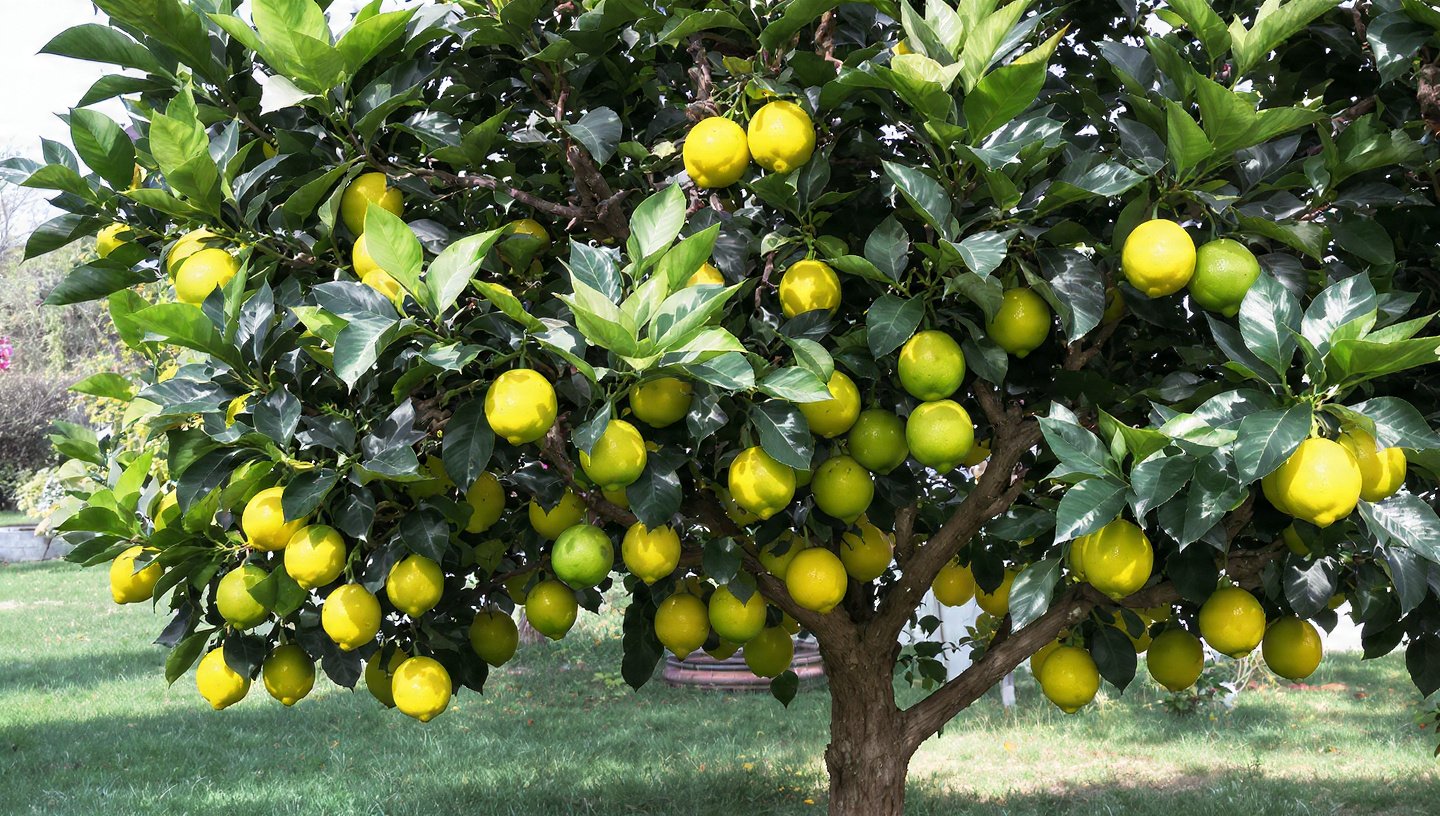
There’s nothing quite like the fresh zing of a lemon in your tea, salad, or dessert. Yet, buying lemons from the store every week can feel expensive and inconvenient. After experimenting with a few strategies, I discovered how to grow and preserve lemons at home so that I have a steady supply all year round—without ever running out.
Whether you live in a warm climate, have a sunny balcony, or a backyard garden, these tips will help you enjoy fresh, tangy lemons from January through December.
1. Start with a Healthy Lemon Tree
The first step to year-round lemons is choosing the right tree. I recommend starting with:
- Dwarf varieties: Ideal for containers or small gardens
- Everbearing varieties: Produce fruit multiple times a year
- Disease-resistant types: Require less maintenance
Some favorites include Meyer lemon (sweet and juicy) and Lisbon lemon (classic tart flavor). A healthy tree is the foundation for a continuous harvest.
2. Plant in the Right Location
Lemons love sun. The key to abundant fruit is planting in a spot that receives at least 8 hours of sunlight daily. For container gardeners:
- Place pots on south-facing balconies or patios
- Rotate occasionally to ensure even sunlight
If planting in the ground, ensure well-draining soil. Lemons dislike standing water, which can cause root rot.
3. Water and Feed Consistently
Proper watering and feeding are essential to keeping lemons productive year-round:
- Water deeply but allow soil to dry slightly between watering
- Use a balanced fertilizer or one high in nitrogen for leaves and potassium for fruit
- Feed every 6–8 weeks during the growing season
A well-nourished tree produces more flowers and fruit, reducing the need to buy lemons.
4. Prune to Encourage Growth
Pruning may seem intimidating, but it’s simple and essential for productivity:
- Remove dead or weak branches
- Thin out crowded areas to increase sunlight and airflow
- Pinch off new flowers in the first year to focus energy on establishing roots
Pruning helps lemons grow stronger and sets up your tree for consistent, year-round harvests.
5. Harvest at the Right Time
Lemons don’t all ripen simultaneously. To enjoy them year-round:
- Pick fruit when they turn fully yellow or show their ripe color
- Leave some slightly underripe lemons for later consumption
- Regular harvesting encourages the tree to produce more fruit
By staggering harvests, I always have lemons ready to use without overloading the kitchen.
6. Preserve Lemons for Year-Round Use
Even with continuous harvests, some seasons produce more lemons than you can use. Here’s how I keep them fresh all year:
a) Refrigeration
- Store lemons in a perforated plastic bag in the fridge
- They can last 3–4 weeks this way
b) Freezing
- Freeze whole lemons, slices, or juice
- Zest can also be frozen for later use
c) Preserved Lemons
- Salted lemons are traditional in many cuisines
- Simply quarter lemons, pack with salt, and store in a jar for several months
Preserving lemons reduces waste and ensures I never run out, even in winter.
7. Grow Lemons Indoors if Needed
If you live in a colder climate, you can still have lemons year-round by growing them in pots indoors:
- Use dwarf varieties for indoor growth
- Place near bright, south-facing windows
- Supplement with LED grow lights in winter
- Reduce watering during dormancy, but don’t let soil dry out completely
Indoor lemon trees can produce fruit with a little care and patience, giving you fresh lemons regardless of the season.
8. Encourage Continuous Flowering
Year-round lemons require consistent flowering. Some tips:
- Maintain steady temperatures if growing indoors
- Provide adequate nutrition and sunlight
- Avoid stress like overwatering or drastic temperature changes
Continuous flowers lead to overlapping fruit cycles, which keeps your supply steady.
9. Protect Trees from Pests and Disease
Healthy lemons produce more fruit with minimal intervention. Watch for:
- Aphids and scale insects
- Fungal issues like powdery mildew
- Citrus leaf miners
Natural solutions like neem oil, insecticidal soap, or introducing beneficial insects can keep your lemon tree productive without chemicals.
10. Multiply Your Trees for More Lemons
Once you’ve mastered one lemon tree, you can propagate it from cuttings to expand your lemon supply:
- Take semi-hardwood cuttings in late spring
- Root in water or a well-draining potting mix
- Transplant after strong roots develop
Having multiple trees ensures a continuous harvest even if one tree slows down.
The Benefits of Having Lemons All Year
Growing your own lemons isn’t just convenient—it’s rewarding:
- Fresh juice for drinks, cooking, and desserts
- Rich in vitamin C and antioxidants
- Cost-effective compared to buying lemons weekly
- Adds greenery and fragrance to your home or garden
With the right strategy, lemons become a low-maintenance, high-reward plant that supports healthy eating and sustainable living.
Final Thoughts
I never have to buy lemons again thanks to these simple but effective strategies. By selecting the right variety, providing proper care, staggering harvests, and using preservation methods, I enjoy fresh lemons all year. Whether you have a backyard garden, a balcony, or a sunny kitchen window, growing your own lemons is achievable—and surprisingly easy with minimal effort.
Once you taste the difference of fresh, homegrown lemons, store-bought ones simply won’t compare.