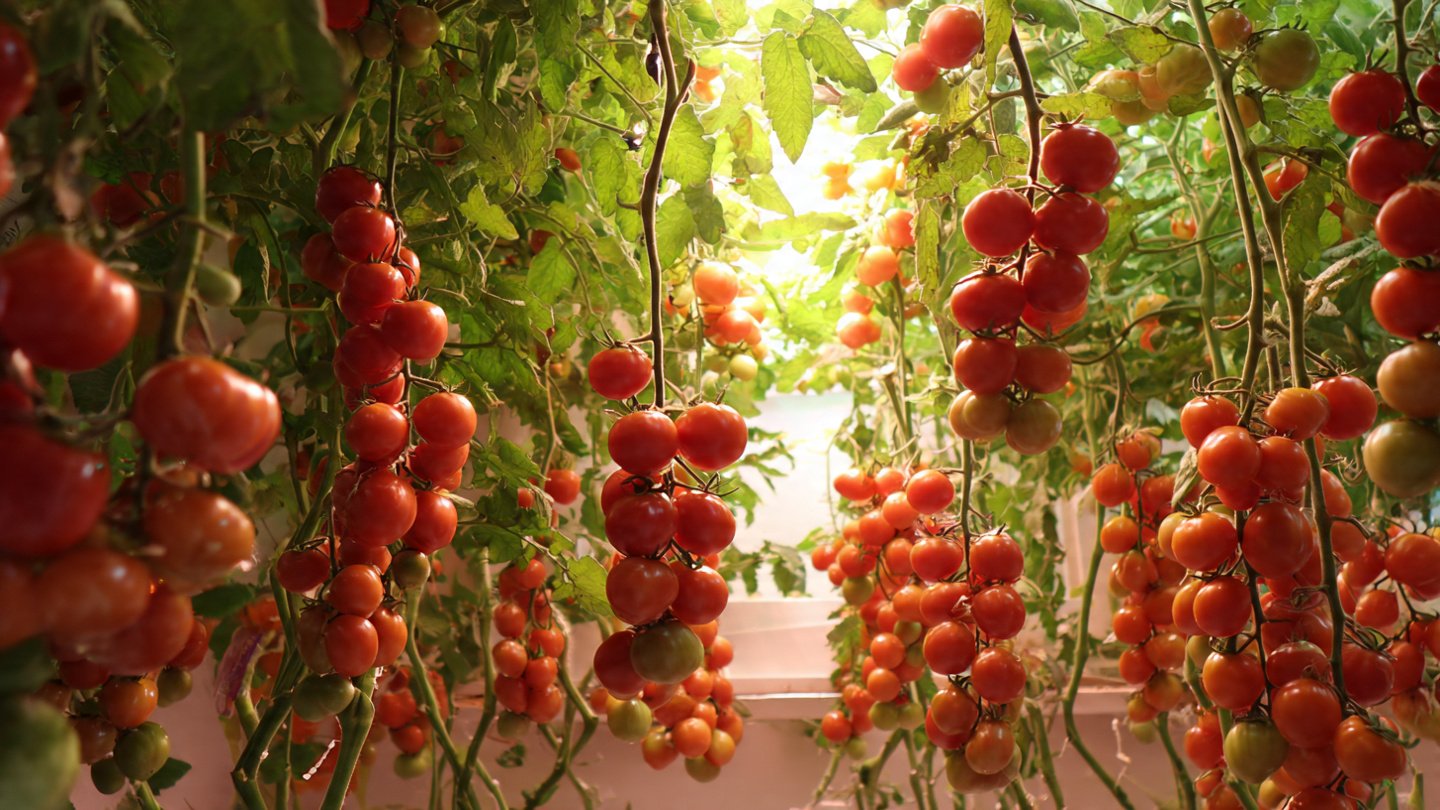
Tomatoes are one of the most beloved and versatile vegetables in home gardens. From fresh salads to sauces and salsas, they’re a staple in kitchens worldwide. Yet, growing tomatoes successfully can be a challenge, especially in limited space. Crowded beds, disease-prone plants, and sprawling vines often lead to lower yields than expected.
In my quest for a more productive and manageable tomato garden, I decided to try a hanging vertical setup. What I discovered is that vertical growing—especially using hanging baskets or towers—not only saves space but can dramatically improve harvests, reduce pests, and make daily maintenance much easier. Here’s a detailed look at how I created a hanging tomato garden and the lessons I learned along the way.
Why I Chose Vertical Growing for Tomatoes
Traditional tomato gardening involves planting in raised beds or directly in the ground, which can result in sprawling vines, tangled stems, and uneven sunlight distribution. Vertical growing, by contrast, provides several advantages:
- Space Efficiency: Hanging containers or vertical towers allow you to grow more plants in smaller areas, perfect for balconies, patios, or small yards.
- Better Air Circulation: Suspending plants off the ground reduces humidity around the base, which helps prevent fungal diseases like blight or powdery mildew.
- Ease of Maintenance: Watering, pruning, and harvesting are simpler when tomatoes are raised to eye level, reducing bending and straining.
- Improved Sunlight Exposure: Vertical setups ensure leaves and fruits get maximum sunlight, promoting faster growth and better fruit ripening.
This combination of factors made me optimistic that a vertical, hanging approach could boost yield and overall plant health.
Choosing the Right Tomato Varieties
Not all tomatoes are ideal for hanging or vertical gardens. For this project, I chose determinate and indeterminate varieties based on the type of container and my harvest goals:
- Determinate Varieties: Compact and bushy, determinate tomatoes like ‘Roma’ or ‘Patio Princess’ are perfect for small hanging baskets. They produce fruit all at once, which is ideal for containers.
- Indeterminate Varieties: These vining types, such as ‘Cherry’ or ‘Sungold’, keep producing throughout the season. When trained vertically, indeterminate varieties can thrive in hanging towers or vertical planters.
Selecting the right variety ensures that plants grow naturally within the constraints of your vertical setup while providing consistent fruiting throughout the season.
Designing the Hanging Tomato Garden
The design phase was crucial to ensure stability, optimal sunlight, and ease of access. Here’s how I structured my vertical garden:
- Hanging Baskets: I used sturdy baskets lined with coconut coir to retain soil and moisture while allowing proper drainage.
- Vertical Towers: For indeterminate varieties, I created PVC or wooden towers with multiple levels of pockets for soil. The vertical structure supported the vines and allowed tomatoes to cascade naturally.
- Sunlight Considerations: I positioned the baskets and towers where they received 6–8 hours of direct sunlight daily. Maximum sunlight exposure is critical for flowering, fruiting, and ripening.
- Accessibility: I hung baskets at eye level and placed towers where I could easily water, prune, and harvest without bending or reaching awkwardly.
A well-thought-out structure is the backbone of a successful hanging tomato garden.
Soil Preparation for Hanging Tomatoes
Soil quality is vital for vertical growing, as containers have limited volume and nutrient retention:
- Well-Draining Mix: I used a combination of high-quality potting soil, compost, and perlite. Good drainage prevents root rot and keeps the plants healthy.
- Nutrient-Rich: Tomatoes are heavy feeders. Adding compost or a slow-release fertilizer ensures consistent nutrition throughout the season.
- Moisture Retention: Coconut coir and vermiculite help retain moisture without waterlogging, which is especially important in hanging setups.
Using a high-quality soil mix was key to keeping my plants vigorous and productive in limited container space.
Planting Techniques for Hanging Tomatoes
Planting tomatoes in hanging containers requires a slightly different approach than ground planting:
- Deep Planting: I buried tomato seedlings deeper than usual, covering part of the stem to encourage extra root growth along the buried stem. This strengthens the plant and helps it anchor in a small container.
- Proper Spacing: Each hanging basket contained one plant to avoid overcrowding. Towers had pockets spaced at least 12 inches apart vertically.
- Support Systems: Even in hanging gardens, tomatoes benefit from light staking or trellising. I added small clips and strings to guide vines upward while allowing them to hang naturally.
These planting techniques ensured that the tomatoes were stable, healthy, and ready to thrive in a vertical setup.
Watering and Fertilization for Vertical Gardens
Hanging tomatoes dry out faster than those planted in the ground, so proper watering is critical:
- Consistent Moisture: I watered daily during hot months, checking soil moisture by touch. Deep watering helps the roots grow strong and prevents fruit splitting.
- Fertilization: Every two weeks, I applied a liquid tomato fertilizer rich in nitrogen for vegetative growth and potassium for flowering and fruit development.
- Mulching: A thin layer of mulch in each basket helped retain moisture and reduce evaporation.
Maintaining a careful balance of water and nutrients is essential for vertical tomato success.
Pruning and Training Tomatoes Vertically
Vertical growing makes pruning and training much easier, but it’s essential for optimal yield:
- Remove Suckers: I regularly removed small shoots growing between the main stem and branches. This redirects energy toward fruit production.
- Guide Vines: Using clips and string, I trained indeterminate varieties upward or allowed them to cascade slightly for better air circulation.
- Leaf Management: I trimmed lower leaves to reduce humidity around the soil, preventing fungal infections.
Pruning ensures that the plant focuses energy on flowering and fruiting rather than excess foliage.
Pest and Disease Management
Hanging tomatoes can reduce some soil-borne issues, but pests and diseases still need attention:
- Aphids and Whiteflies: These are attracted to leaves and can spread disease. I used neem oil sprays to manage infestations organically.
- Fungal Issues: Powdery mildew can develop if foliage stays wet. By spacing hanging baskets and trimming lower leaves, I minimized humidity buildup.
- Monitoring: Regular observation allowed me to catch problems early and prevent them from spreading to other plants.
Vertical growing helps reduce some risks, but active management is still necessary.
Harvesting and Yield
The results of my hanging tomato garden were remarkable:
- Increased Yield: By growing vertically, I was able to fit more plants into a limited area, effectively increasing my harvest.
- Better Fruit Quality: Tomatoes received more sunlight, which improved color, flavor, and sugar content.
- Ease of Harvest: With fruit at eye level, picking ripe tomatoes was effortless, reducing the chance of bruising or missing fruit.
Vertical growing turned my small balcony into a productive mini tomato farm, with fruit consistently ripening throughout the season.
Benefits of Hanging Tomato Gardens
From my experience, the benefits of a vertical tomato garden are numerous:
- Space-Saving: Ideal for apartments, balconies, and small backyards.
- Reduced Pest Pressure: Off-ground planting reduces soil-borne diseases.
- Enhanced Sun Exposure: Improved sunlight distribution leads to better growth and fruiting.
- Ease of Maintenance: Watering, pruning, and harvesting are much simpler.
- Aesthetic Appeal: Hanging baskets and cascading vines create a visually appealing garden space.
Vertical gardening isn’t just practical—it also transforms the space into a lush, productive, and beautiful environment.
Lessons Learned from My Experiment
Throughout the season, I learned several key lessons:
- Soil Quality Matters Most: Invest in high-quality, nutrient-rich soil to support heavy-feeding tomato plants.
- Watering Is Critical: Hanging tomatoes dry out quickly; consistent moisture is vital.
- Pruning Improves Yield: Removing unnecessary shoots and leaves ensures the plant puts energy into fruit production.
- Monitor Pests Regularly: Early detection prevents major infestations and keeps the garden healthy.
- Choose the Right Varieties: Compact, determinate, and vining varieties each work well for specific vertical setups.
By following these lessons, gardeners can enjoy healthy, abundant, and delicious tomato harvests using minimal space.
Conclusion
Creating a hanging tomato garden has been a game-changer for my home gardening experience. Vertical growing not only maximized the use of limited space but also improved plant health, boosted yield, and simplified maintenance.
Key takeaways for anyone considering a vertical tomato garden include:
- Select varieties suited for hanging or vertical growing.
- Prepare nutrient-rich, well-draining soil to support healthy root development.
- Ensure adequate sunlight, proper spacing, and consistent watering.
- Prune and train vines to focus energy on fruit production.
- Monitor for pests and diseases regularly.
Whether you have a small balcony, patio, or compact backyard, hanging tomato gardens offer a practical, attractive, and highly productive solution. By elevating your plants—literally—you can enjoy abundant, fresh, and flavorful tomatoes throughout the growing season, all while keeping your garden organized and manageable.
Vertical growing isn’t just a space-saving technique—it’s a proven method to boost your tomato harvest and elevate your gardening experience. For home gardeners seeking maximum yield, minimal hassle, and vibrant, healthy plants, creating a hanging tomato garden is a strategy worth trying.