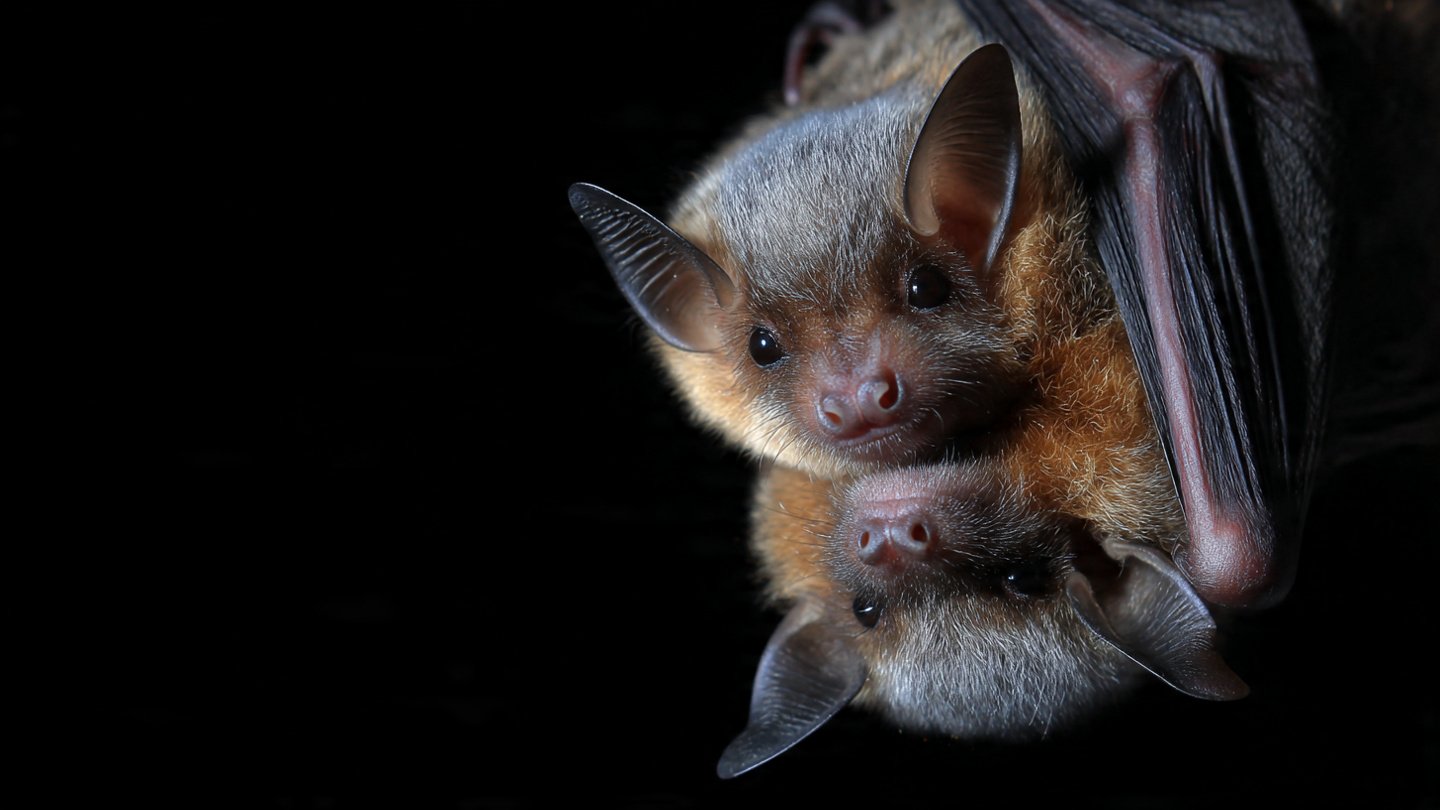
Across farms, forests, and deserts around the world, an unexpected group of animals is quietly sustaining global food systems: bats. Once misunderstood and often persecuted, hundreds of thousands of bats are now being protected through conservation efforts worldwide. As their populations stabilize and recover, their ecological importance is becoming increasingly clear. These nocturnal mammals are pollinating crops, controlling destructive pests, and supporting agricultural systems that billions of people depend on.
Bat conservation is not simply about protecting wildlife—it is about safeguarding food security, reducing reliance on chemicals, and maintaining ecological balance. The benefits bats provide extend far beyond caves and night skies, reaching directly into farms, markets, and dinner plates around the world.
Why Bats Are Essential to Agriculture
Bats play multiple roles in agricultural ecosystems, making them uniquely valuable. Some species feed on nectar and pollen, acting as critical pollinators. Others are insect specialists, consuming vast quantities of crop-damaging pests each night. Together, these behaviors make bats one of nature’s most effective and efficient agricultural allies.
Unlike many pollinators that work during daylight hours, bats operate at night. This allows them to support plants that bloom after sunset and complement daytime pollinators. Their long-distance flight abilities also enable them to connect fragmented landscapes, spreading pollen across wide areas.
Nighttime Pollinators With a Big Impact
Several important food crops rely partially or entirely on bats for pollination. These include fruits, nuts, and plants that form the foundation of local economies in many regions. As bats move from flower to flower in search of nectar, they transfer pollen and enable fruit development.
Without bats, yields of certain crops would decline significantly. In some cases, plants pollinated by bats produce larger fruits or higher-quality harvests. Protecting bat populations ensures that these natural pollination services continue uninterrupted, supporting both farmers and consumers.
Bat pollination also supports wild plant species, maintaining healthy ecosystems that agriculture depends on for soil stability, water regulation, and biodiversity.
Natural Pest Control on a Massive Scale
Perhaps the most economically significant service bats provide is pest control. Insect-eating bats can consume thousands of insects in a single night. Over the course of a growing season, this adds up to millions of pests removed from agricultural fields.
Many of the insects bats eat are among the most destructive crop pests. By feeding on moths, beetles, and other agricultural enemies, bats reduce crop damage before it occurs. This natural form of pest control lowers the need for chemical pesticides, saving farmers money and reducing environmental harm.
Fewer pesticides also mean healthier soil, cleaner water, and safer food. In this way, bat protection directly contributes to more sustainable and resilient farming systems.
Supporting Food Systems and Farmer Livelihoods
The combined effects of pollination and pest control make bats indispensable to food systems. Their contributions help stabilize crop yields, improve harvest quality, and reduce production costs. This is especially important for small-scale farmers, who may lack access to expensive agricultural inputs.
In regions where bat populations are healthy, farmers often experience fewer pest outbreaks and more consistent yields. These benefits ripple outward, supporting local economies and food availability.
By protecting bats, communities are investing in a natural infrastructure that strengthens food systems without relying on fossil fuels, chemicals, or intensive labor.
The Global Bat Conservation Movement
For many years, bats suffered from fear-based myths and habitat destruction. Roosting sites were destroyed, caves were sealed, and bat populations declined rapidly. In response, conservation groups, scientists, and governments began to recognize the urgent need to protect these animals.
Today, bat protection efforts include habitat preservation, legal safeguards, public education, and the creation of artificial roosts. Farmers are increasingly encouraged to install bat houses near fields, providing safe shelter while benefiting from pest control services.
Education has played a critical role in changing perceptions. As people learn about bats’ ecological value, fear gives way to appreciation, and protection efforts gain community support.
Healthier Ecosystems Through Bat Protection
Bats are not isolated contributors; they are part of complex ecosystems. Their presence supports food webs, plant diversity, and natural population balance. When bat numbers decline, insect populations often explode, pollination suffers, and ecosystems become less stable.
Protecting bats helps restore balance. Healthy bat populations indicate healthy environments, where forests, farmlands, and waterways function together. This interconnectedness highlights why bat conservation benefits not just agriculture, but entire landscapes.
In a changing climate, resilient ecosystems are more important than ever. Bats help maintain that resilience by supporting plant regeneration and controlling species that thrive under warming conditions.
Overcoming Challenges to Bat Conservation
Despite growing awareness, bats still face serious threats. Habitat loss, pesticide exposure, climate change, and disease continue to impact populations. Wind turbines, urban expansion, and deforestation can disrupt migration routes and roosting sites.
Successful bat protection requires long-term commitment. Conservation strategies must balance human development with ecological needs. This includes preserving natural habitats, designing wildlife-friendly infrastructure, and reducing pesticide use.
Community involvement remains essential. When farmers, landowners, and local governments participate in bat protection, conservation efforts are more effective and sustainable.
Economic Value of Bat Ecosystem Services
The economic contribution of bats to agriculture is immense. By reducing crop losses and minimizing pesticide use, bats save farmers billions of dollars globally each year. These savings benefit not only producers but also consumers, who enjoy more affordable and sustainably grown food.
Unlike technological solutions, bats require no maintenance costs once their habitats are protected. They work every night, across vast areas, providing services that would otherwise require costly interventions.
This makes bat conservation one of the most cost-effective investments in sustainable agriculture.
A Future That Includes Bats
The protection of hundreds of thousands of bats worldwide signals a shift in how humanity values nature. Instead of viewing wildlife as separate from food production, bats demonstrate that healthy ecosystems and productive agriculture are deeply connected.
As conservation efforts expand, bat populations can recover further, increasing their positive impact on food systems. Continued research, education, and policy support will be essential to ensure their survival.
Protecting bats is not just about preserving biodiversity—it is about securing the foundations of global food security in a natural, sustainable way.
Conclusion
Hundreds of thousands of protected bats are quietly transforming agriculture and food systems around the world. Through pollination, pest control, and ecosystem support, they play an irreplaceable role in feeding humanity.
Bat conservation proves that some of the most effective solutions to modern challenges already exist in nature. By protecting these remarkable animals, we strengthen agriculture, support farmers, and build food systems that are more resilient, affordable, and environmentally sound.
As understanding grows, bats are no longer symbols of fear, but powerful allies in the effort to create a healthier planet and a more secure food future.