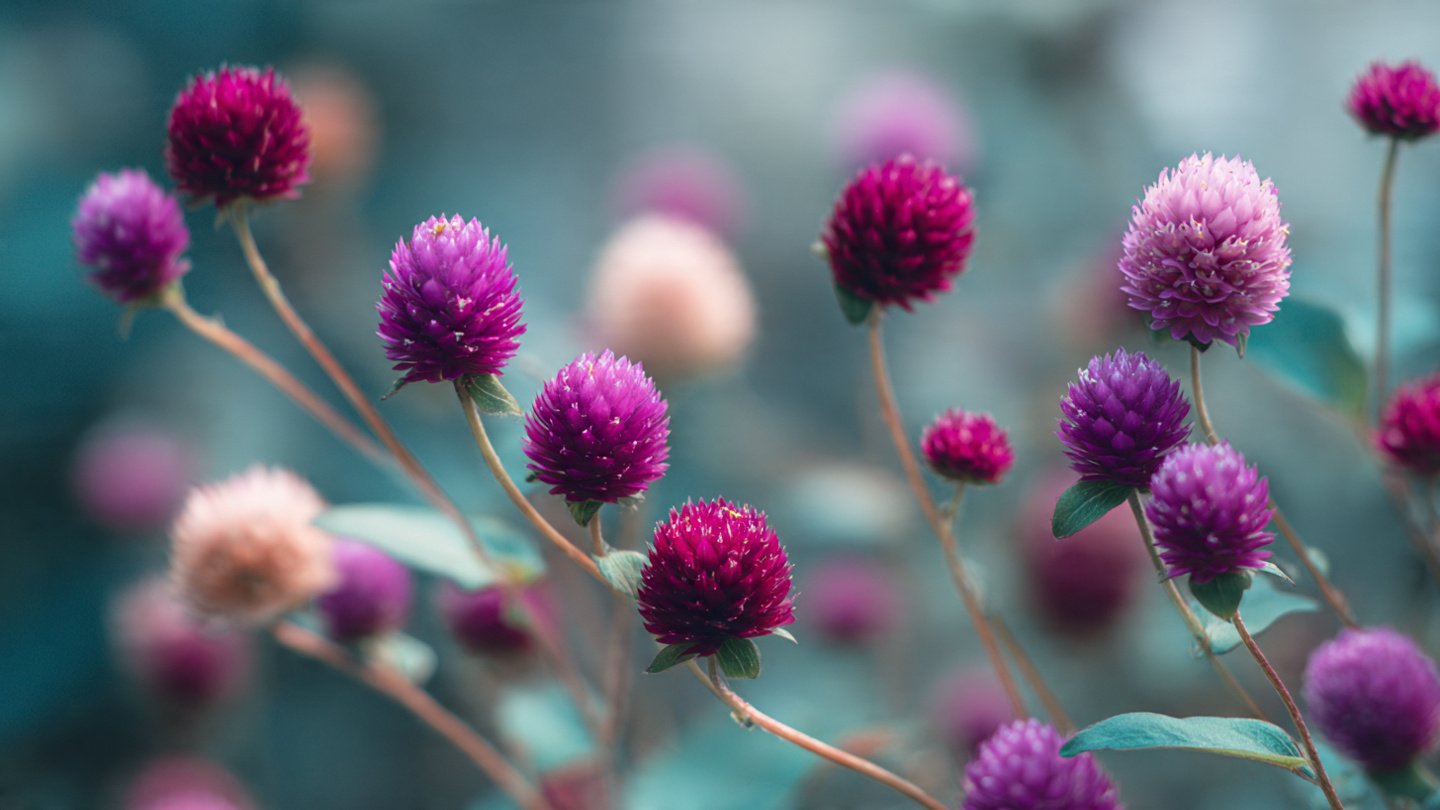
Gomphrena, commonly known as globe amaranth, is a vibrant, long-blooming annual prized for its globe-shaped flowers in shades of purple, pink, white, and red. Its tough nature and low maintenance make it a favorite among gardeners, but in hot climates, many struggle to keep Gomphrena thriving. High temperatures, intense sunlight, and dry conditions can stress the plant, causing reduced flowering or wilting.
The good news is that with a few smart techniques and a simple heat-tolerant hack, you can grow Gomphrena successfully even in the hottest environments. This guide will walk you through understanding the plant’s needs, using a heat-tolerance hack, and tips for maintaining strong, colorful blooms throughout the season.
Understanding Gomphrena and Its Heat Challenges
Gomphrena is naturally heat-tolerant, but extreme conditions can still impact growth. Common issues in hot climates include:
- Reduced Flowering: High heat can cause stress, limiting bloom production.
- Leaf Wilting: Excessive sun and dry soil can cause leaves to curl or wilt.
- Slow Growth: Prolonged heat may stunt overall plant growth and vigor.
By understanding these challenges, gardeners can implement strategies to mitigate heat stress and help the plant flourish.
The Easy Hack for Heat Tolerance
The secret to growing heat-tolerant Gomphrena is soil preparation and microclimate management. This simple hack involves creating a mulch-rich, well-draining soil with reflective properties that reduces soil temperature and retains moisture, effectively giving the plants a more hospitable environment even during scorching summer days.
The key components of this hack include:
- Soil Preparation: Mix garden soil with compost and a small amount of sand or perlite for drainage. This ensures roots are aerated while retaining nutrients.
- Reflective Mulch: Use light-colored mulch, such as straw, dry leaves, or even reflective gravel, to reduce soil heat and prevent evaporation.
- Deep Watering: Water deeply in the early morning, allowing roots to access moisture throughout the day.
- Shade Management: While Gomphrena loves full sun, temporary shading during peak afternoon hours in extremely hot regions reduces stress without compromising flowering.
This approach creates a microclimate that allows Gomphrena to thrive even in intense heat.
Selecting Heat-Tolerant Varieties
Not all Gomphrena varieties handle heat equally. Some cultivars are naturally more resilient in hot conditions:
- ‘Fireworks Mix’: A mix of bright, long-lasting blooms resistant to heat stress.
- ‘Strawberry Fields’: Produces vivid pink and purple flowers, maintaining color under intense sun.
- ‘Purple Emperor’: Known for vibrant purple blooms and strong heat tolerance.
Choosing the right variety is the first step in ensuring success in hot climates. Combined with the soil and mulch hack, these varieties can bloom profusely even under challenging conditions.
Preparing the Planting Site
The right site preparation enhances the effectiveness of the heat-tolerant hack:
- Full Sun Exposure: Choose a spot with at least 6–8 hours of sunlight daily. Gomphrena requires sunlight for vibrant blooms.
- Good Drainage: Avoid low-lying areas where water pools. Raised beds or containers with drainage holes are ideal.
- Air Circulation: Proper spacing between plants improves airflow, reducing the risk of fungal diseases that may arise in humid, hot climates.
By setting up an optimal planting site, you give Gomphrena the best chance to withstand heat stress and thrive.
Planting Gomphrena
Whether planting seeds or seedlings, follow these steps to promote heat tolerance:
From Seeds
- Sow Indoors First: Start seeds indoors 6–8 weeks before the last frost in your region. Use seed-starting mix with good drainage.
- Light Requirements: Place seedlings under grow lights or a sunny window to ensure strong growth.
- Transplant Carefully: Harden off seedlings before moving outdoors by gradually exposing them to full sun over 7–10 days.
From Seedlings
- Spacing: Plant seedlings 10–12 inches apart to allow airflow and prevent overcrowding.
- Planting Depth: Plant at the same depth they were in their nursery pots. Avoid burying the crown, which can lead to rot.
Watering and Moisture Management
Proper watering is essential in hot climates. The heat-tolerant hack helps, but watering strategies are equally important:
- Deep, Infrequent Watering: Water the soil thoroughly, allowing moisture to reach the root zone. Avoid shallow, frequent watering, which encourages weak root systems.
- Morning Watering: Water in the early morning to allow plants to absorb moisture before temperatures peak.
- Avoid Wetting Foliage: Direct water on leaves can lead to fungal diseases, particularly in humid regions.
By combining reflective mulch and proper watering, Gomphrena maintains turgor pressure, stays upright, and blooms continuously.
Fertilization for Maximum Heat Tolerance
Gomphrena is not a heavy feeder, but in hot climates, supplemental nutrition promotes continuous flowering:
- Balanced Fertilizer: Use a slow-release, balanced fertilizer (10-10-10 or similar) at planting.
- Liquid Feedings: Apply a liquid fertilizer every 4–6 weeks during peak growing season.
- Organic Amendments: Incorporate compost or worm castings into the soil for long-term nutrient supply and soil microbe support.
Well-fed plants are more resilient to heat stress, producing stronger stems, larger leaves, and more blooms.
Pruning and Deadheading
To maintain healthy plants and extend blooming during hot months:
- Deadhead Spent Flowers: Removing faded blooms encourages new flower production and prevents energy from being wasted on seed formation.
- Trim Excess Growth: Cut back leggy or overgrown stems to promote airflow and reduce heat stress.
- Pinch Young Shoots: Pinching the tips encourages bushier growth and more flowering sites.
Regular pruning and deadheading keep plants vibrant, dense, and resilient under high temperatures.
Pest and Disease Management in Hot Climates
High temperatures can sometimes exacerbate pest and disease issues:
- Common Pests: Aphids, spider mites, and whiteflies are more prevalent in hot weather. Spray with neem oil or insecticidal soap as needed.
- Fungal Diseases: Powdery mildew or leaf spot may appear if humidity is high. Ensure proper spacing and airflow to prevent infection.
- Preventive Care: Reflective mulch and proper watering reduce stress, which naturally improves the plant’s immunity to pests and disease.
Proactive pest and disease management ensures a healthy, flourishing garden.
Harvesting and Enjoying Gomphrena
Gomphrena is often grown for ornamental purposes, and its flowers are ideal for cutting or drying:
- Cutting Flowers: Harvest flowers in the morning when they are most turgid. Cut stems just above the foliage to encourage new blooms.
- Drying for Arrangements: Gomphrena flowers hold color exceptionally well when dried. Hang them upside down in a cool, dark, and well-ventilated area.
- Continuous Harvesting: Regular cutting encourages more flowering, which is particularly beneficial during long, hot summers.
Additional Tips for Hot Climate Success
- Container Gardening: If soil temperatures are extreme, grow Gomphrena in containers. Move them to partial shade during the hottest part of the day.
- Mulch Layer Thickness: Maintain a 2–3 inch layer of mulch to reduce soil temperature and retain moisture.
- Reflective Surfaces: Placing light-colored stones or boards near plants reflects sunlight and reduces heat stress.
- Avoid Heat Shock: Gradually acclimate plants to full sun if starting them indoors or in shaded areas. Sudden exposure can scorch leaves.
With these tips, Gomphrena becomes remarkably resilient, even under prolonged heatwaves.
Conclusion
Growing Gomphrena in hot climates doesn’t have to be a struggle. By understanding the plant’s natural needs and implementing a simple heat-tolerant hack, gardeners can cultivate vibrant, long-blooming flowers that thrive even under intense sunlight and high temperatures.
The combination of well-draining, nutrient-rich soil, reflective mulch, proper watering, and careful plant care provides a microclimate that protects roots, conserves moisture, and supports continuous flowering. Choosing heat-tolerant varieties, maintaining spacing, pruning, and managing pests ensures that your Gomphrena plants remain healthy, colorful, and resilient throughout the growing season.
Whether grown in garden beds, raised containers, or hanging baskets, Gomphrena rewards gardeners with stunning blooms that brighten patios, balconies, and landscapes—even in the hottest climates. By following this guide, you can harness the easy heat-tolerant hack and enjoy vibrant, thriving Gomphrena plants all season long.
With a little preparation and care, your hot-climate garden can be filled with the cheerful, long-lasting colors of Gomphrena, making it a standout feature in any outdoor space.