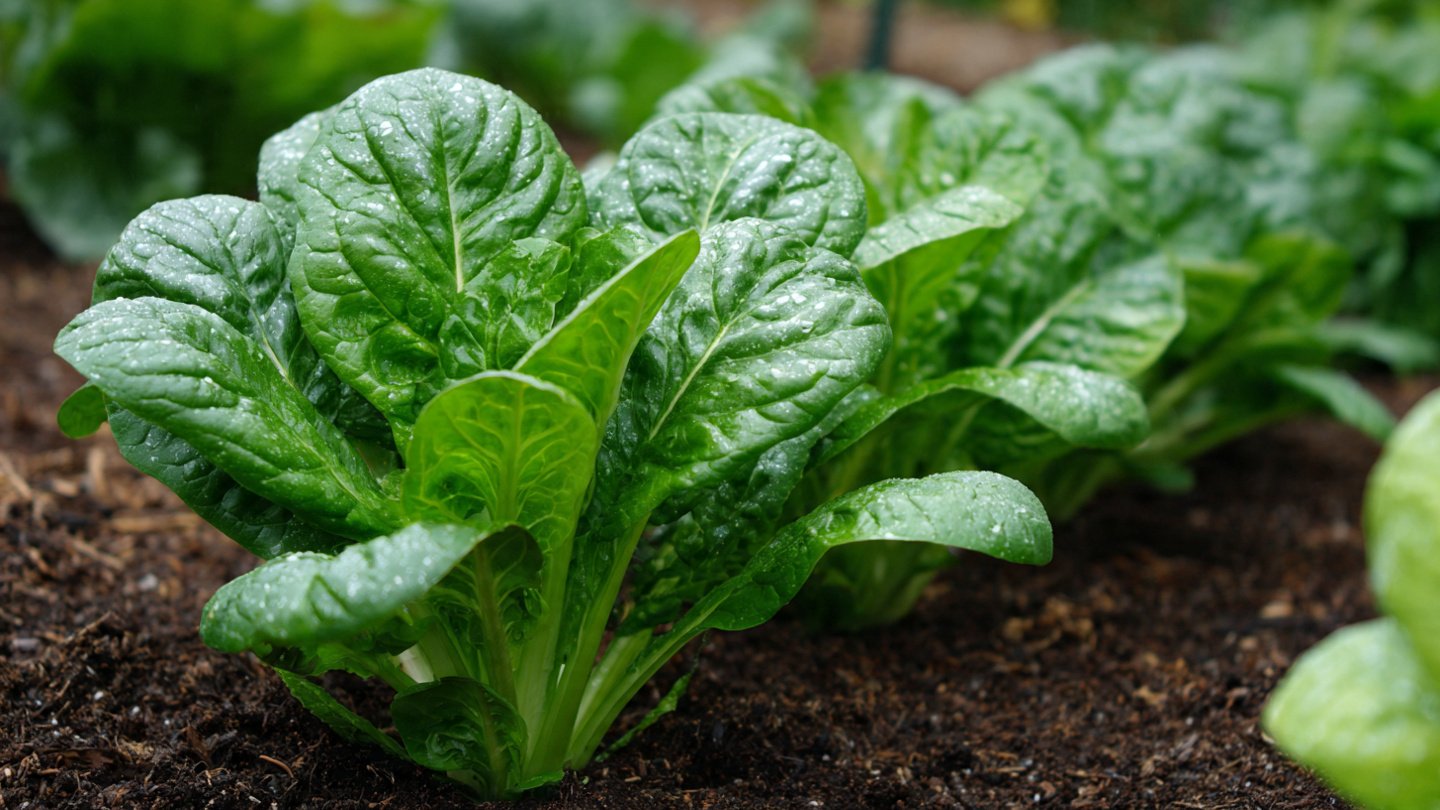
Spinach is one of the most versatile and nutrient-rich leafy greens you can grow at home. Packed with vitamins, minerals, and antioxidants, it’s a favorite for salads, smoothies, soups, and a variety of dishes. However, beginners often struggle with getting a consistent supply, as many plants bolt or get harvested all at once, leaving nothing behind. That’s where the “cut and come again” method shines—it allows gardeners to enjoy continuous harvests of fresh spinach throughout the growing season.
This complete guide will walk you through everything you need to know to successfully grow spinach using the cut and come again technique, ensuring a steady supply of nutritious leaves for weeks or even months.
Understanding the Cut and Come Again Method
The cut and come again method is a harvesting technique where you harvest only part of a plant at a time, allowing the rest of it to continue growing. Instead of uprooting the entire plant, you selectively cut mature leaves and let younger leaves continue developing. This technique is ideal for spinach and other leafy greens, as it prolongs the life of the plant and maximizes productivity.
Benefits of this method include:
- Continuous harvests: You don’t need to replant after every harvest.
- Faster growth cycles: Plants produce new leaves quickly.
- Space efficiency: One plant can provide multiple harvests.
- Better flavor: Younger leaves often taste milder and sweeter than older leaves.
Step 1: Selecting the Right Spinach Variety
Not all spinach varieties are equally suited for cut and come again harvesting. Some grow upright, while others are more spreading, and some bolt quickly in warm weather. Choosing the right variety ensures you get the most out of this method.
Recommended varieties for continuous harvesting:
- Bloomsdale Long Standing: Classic variety, slow to bolt, ideal for repeated harvesting.
- Baby Leaf Spinach: Produces tender leaves quickly, perfect for salad greens.
- Space Spinach (Tyee): Compact variety that performs well in containers.
- Matador Spinach: Heat-tolerant and slow-bolting, suitable for longer growing seasons.
Selecting slow-bolting varieties is especially important for cut and come again, as bolting signals the plant to produce seeds, which ends leaf production.
Step 2: Choosing a Planting Location
Spinach thrives in cool weather and prefers partial to full sunlight. The ideal growing temperature is between 50–70°F (10–21°C). For continuous harvests, choose a location that provides:
- At least 4–6 hours of sunlight per day.
- Well-draining soil to prevent root rot.
- Good air circulation to reduce fungal diseases.
Spinach can be grown in garden beds, raised beds, or containers, making it versatile for indoor or small-space gardening.
Step 3: Preparing the Soil
Healthy soil is essential for vigorous growth and multiple harvests. Spinach prefers nutrient-rich soil with a slightly acidic to neutral pH of 6.0–7.0.
Steps to prepare soil:
- Loosen the soil to a depth of 8–12 inches.
- Mix in organic compost or well-rotted manure for nutrients.
- Ensure the soil is well-draining, as spinach does not tolerate waterlogged roots.
- Optionally, add a slow-release balanced fertilizer to promote growth.
Healthy soil not only supports rapid regrowth after harvesting but also improves the flavor and texture of the leaves.
Step 4: Sowing Spinach Seeds
Spinach can be direct-sown into the soil or started indoors and transplanted. For beginners, direct sowing is often the easiest approach.
Direct sowing tips:
- Sow seeds ½ inch deep into prepared soil.
- Space seeds 3–4 inches apart in rows 12–18 inches apart.
- Keep the soil consistently moist until seeds germinate, which usually takes 7–14 days.
Starting seeds indoors:
- Sow seeds in small pots or seed trays with a light potting mix.
- Transplant seedlings outdoors when they have 2–3 true leaves and the weather is suitable.
For continuous harvests, it’s recommended to succession sow seeds every 2–3 weeks. This ensures a staggered supply of mature leaves ready for cutting at any time.
Step 5: Watering and Mulching
Spinach prefers evenly moist soil. Irregular watering can cause the leaves to become bitter or promote bolting.
Watering tips:
- Water deeply 1–2 times per week, depending on weather conditions.
- Avoid overhead watering to minimize the risk of fungal diseases.
- Mulch around plants with straw, leaves, or compost to retain moisture and suppress weeds.
Consistent watering not only promotes leaf growth but also helps new leaves develop quickly after each harvest.
Step 6: Fertilizing for Continuous Growth
Spinach is a heavy feeder, meaning it requires nutrients to produce abundant, tender leaves.
Fertilization tips:
- Apply a liquid fertilizer every 2–3 weeks during the growing season.
- Use a nitrogen-rich fertilizer to encourage leafy growth.
- Avoid excessive phosphorus, which can stimulate root growth over leaves.
Healthy, well-fed plants are more resilient and can produce leaves continuously with minimal stress.
Step 7: Implementing the Cut and Come Again Method
Once your spinach plants have reached 4–6 inches tall, you can start harvesting using the cut and come again method.
Step-by-step guide:
- Use clean scissors or garden shears to cut the outer, mature leaves.
- Leave the inner leaves and central growing point intact. This ensures the plant continues to produce new leaves.
- Harvest no more than one-third of the plant at a time to avoid stressing it.
- Cut leaves just above the soil or crown level.
With proper care, new leaves typically regrow within 7–14 days, allowing for repeated harvests throughout the season.
Step 8: Managing Pests and Diseases
Even in home gardens, spinach can attract pests such as aphids, leaf miners, and slugs. Common diseases include downy mildew and leaf spot.
Tips to prevent and manage issues:
- Inspect plants regularly for pests and remove affected leaves.
- Use organic insecticidal soap or neem oil for minor infestations.
- Ensure good air circulation and avoid overcrowding.
- Water at the base of plants to keep foliage dry and reduce fungal risks.
Healthy plants recover faster and produce more leaves after each harvest.
Step 9: Extending the Growing Season
Spinach is a cool-weather crop, but with a few strategies, you can extend the harvest period:
- Use row covers or cloches to protect plants from frost in early spring or late fall.
- Grow in containers indoors under grow lights during hot summer months when outdoor plants may bolt.
- Succession planting ensures a continuous supply of mature leaves even as older plants decline.
These methods allow you to enjoy fresh spinach year-round in many regions.
Step 10: Tips for Maximum Success
- Harvest regularly: Frequent cutting encourages new growth.
- Avoid letting plants flower: Bolting signals the end of leaf production.
- Rotate crops: Plant spinach in different soil locations each season to reduce disease.
- Provide partial shade in summer: Keeps plants cool and prevents bitterness.
By following these tips, beginners can enjoy a bountiful, continuous supply of tender spinach leaves for weeks.
Advantages of the Cut and Come Again Method
- Efficient use of space: One plant yields multiple harvests.
- Consistent supply: No need to replant after every harvest.
- Healthier plants: Regular harvesting encourages vigorous regrowth.
- Improved flavor: Younger leaves are milder and more tender than mature leaves.
This method is ideal for home gardeners, balcony growers, and anyone seeking fresh, nutrient-dense greens on demand.
Conclusion
Growing spinach using the cut and come again method is a practical and rewarding way for beginners to maintain a continuous supply of fresh, healthy leaves. By selecting the right variety, preparing nutrient-rich soil, ensuring consistent watering and fertilization, and harvesting selectively, you can enjoy weeks of crisp, flavorful spinach without replanting constantly.
Patience and attention to detail are key. Regular monitoring for pests, proper spacing, and succession planting can further enhance productivity. Over time, this method will provide not only a steady harvest but also a deeper understanding of how to nurture and care for leafy greens.
Whether you’re a beginner gardener or looking to maximize your home garden’s output, the cut and come again method is a reliable technique to enjoy a sustainable supply of fresh spinach from your own backyard, balcony, or indoor garden.