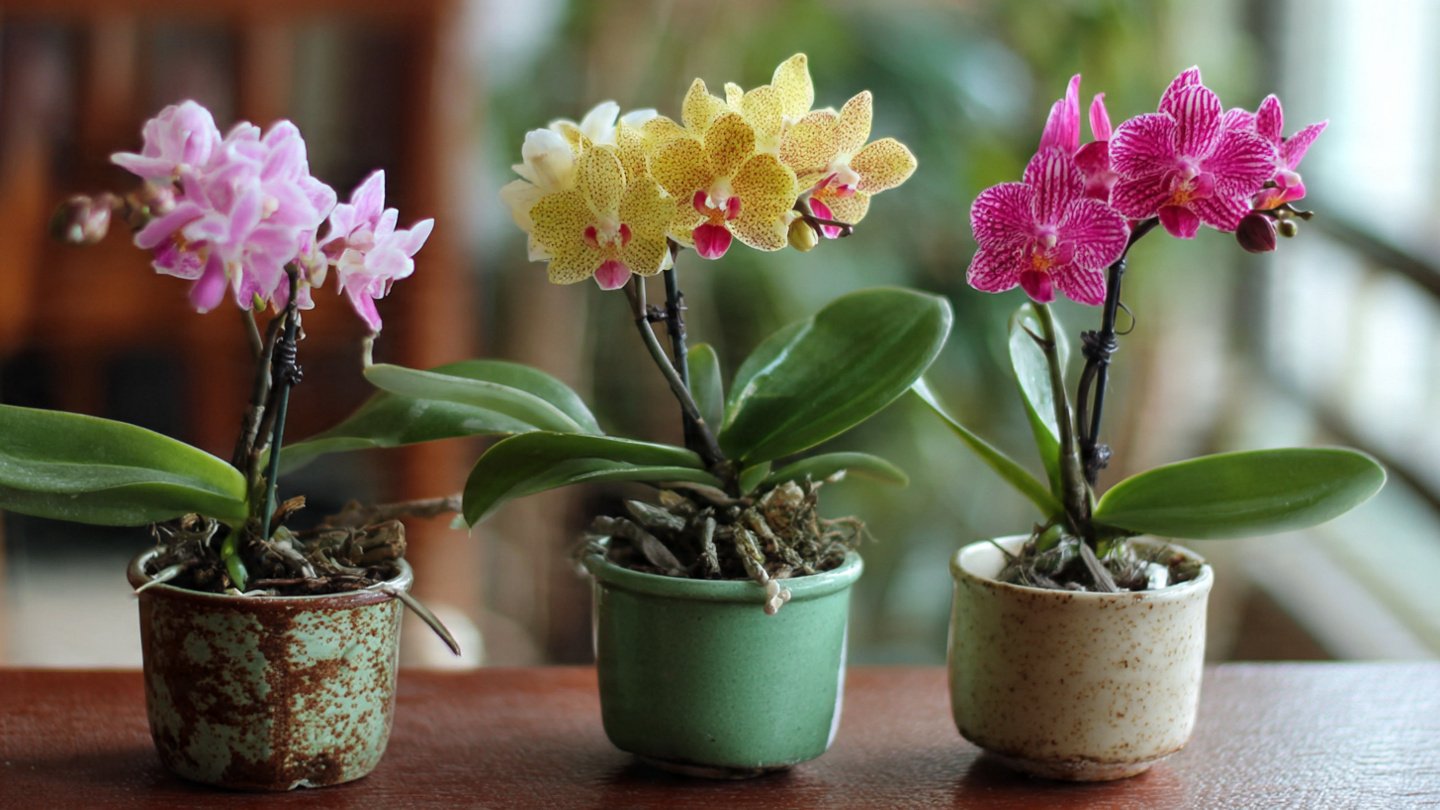
Orchids are often considered the crown jewels of houseplants due to their exotic beauty, delicate blooms, and long-lasting flowers. Among the wide variety of orchids available, mini orchids stand out as perfect choices for indoor gardeners. Their small size, ease of handling, and stunning flowers make them ideal for tabletops, shelves, or windowsills. However, growing mini orchids successfully requires understanding their unique needs and providing the right care. With the right techniques, anyone can cultivate these elegant plants at home and enjoy blooms that rival those found in professional greenhouses.
This guide will walk you through everything you need to know to grow mini orchid plants at home like a pro, from choosing the right variety to proper watering, lighting, and maintenance.
Understanding Mini Orchids
Mini orchids are simply orchid species or hybrids that remain small in stature while producing full-sized blooms relative to their size. They are particularly popular for indoor gardening because they do not require vast amounts of space, making them accessible even for beginners.
Some popular types of mini orchids include:
- Phalaenopsis (Mini Moth Orchids): Known for their long-lasting flowers and ease of care.
- Paphiopedilum (Mini Lady Slippers): Elegant flowers with unique pouch-shaped blooms.
- Dendrobium: Produces clusters of delicate flowers and thrives with bright light.
- Cymbidium (Miniature Varieties): Known for their long-lasting, fragrant blooms.
Choosing the right species is the first step toward a successful orchid-growing experience. Some mini orchids are more forgiving for beginners, while others require precise environmental conditions.
Selecting the Right Location
Mini orchids need a location that mimics their natural habitat, which is typically tropical or subtropical environments. Key factors to consider include:
- Light: Most mini orchids require bright, indirect light. East or west-facing windows are ideal. Direct sunlight can scorch the leaves, while too little light may prevent flowering.
- Temperature: Orchids thrive in daytime temperatures of 70–80°F (21–27°C) and nighttime temperatures of 60–65°F (16–18°C). Avoid placing them near heaters or drafty windows.
- Humidity: Orchids love humidity between 50–70%. In dry climates, using a humidity tray, grouping plants together, or running a small humidifier can help.
By carefully selecting the right spot, you set the foundation for healthy growth and frequent flowering.
Choosing the Perfect Pot and Medium
Unlike many houseplants, orchids do not grow in regular soil. Mini orchids require a well-draining, aerated medium that allows water to flow freely while supporting the roots.
- Orchid Medium: Popular options include bark chips, sphagnum moss, perlite, and coconut husk. Each medium offers specific benefits: bark provides excellent aeration, while moss retains more moisture.
- Pot Selection: Mini orchids do well in small pots, which help prevent overwatering. Clear plastic pots are especially useful because they allow you to monitor root health and moisture levels.
Proper potting and medium selection ensure that roots remain healthy, a critical factor for long-term success.
Watering Like a Pro
Watering is one of the most crucial aspects of mini orchid care. Overwatering is the most common mistake, often leading to root rot. Here’s how to water correctly:
- Check Moisture Levels: Touch the medium with your finger. Water only when the top layer feels dry.
- Water Thoroughly: Water until it drains freely from the pot’s bottom. Avoid letting orchids sit in standing water.
- Frequency: Typically, mini orchids need watering once a week, but this may vary based on climate, pot size, and medium.
- Avoid Water on Leaves: Watering leaves can promote fungal infections; aim for the roots and base of the plant.
Remember, orchids prefer to dry slightly between waterings. Establishing a consistent watering routine is key to healthy growth.
Fertilizing Mini Orchids
Orchids are light feeders but do benefit from regular fertilization during the growing season:
- Balanced Fertilizer: Use a water-soluble fertilizer specifically formulated for orchids. A 20-20-20 ratio is ideal.
- Dilution: Fertilize at half the recommended strength to avoid burning delicate roots.
- Frequency: Feed every two weeks during active growth and reduce to once a month during dormancy.
Fertilizing at the right frequency encourages strong root development, vibrant leaves, and prolific flowering.
Pruning and Maintenance
Proper maintenance keeps mini orchids healthy and encourages repeat blooms:
- Remove Dead Flowers: After blooming, cut the flower spike about ½ inch above a node to stimulate new growth.
- Trim Damaged Leaves: Remove yellow or diseased leaves to prevent pests and diseases.
- Repotting: Mini orchids generally need repotting every 1–2 years to refresh the medium and allow space for root growth.
Routine pruning and care improve air circulation around the plant and reduce the risk of fungal infections.
Encouraging Blooming
Getting mini orchids to bloom repeatedly is a common goal for home growers. Follow these steps:
- Provide Adequate Light: Insufficient light is the leading cause of poor flowering.
- Temperature Variation: Some orchids, like Phalaenopsis, bloom better with a 10–15°F drop in nighttime temperature.
- Stress Lightly: Slightly withholding water for a short period can sometimes trigger flowering.
- Patience: Orchids have unique bloom cycles and may take months to produce new flowers.
Understanding the natural bloom cycle of your orchid species will help you plan for continuous displays of flowers.
Managing Pests and Diseases
Mini orchids, like all houseplants, can face challenges from pests and diseases. Common issues include:
- Aphids: Small insects that cluster around new growth. Treat with insecticidal soap.
- Mealybugs: White, cottony pests that feed on plant sap. Remove with alcohol-soaked cotton swabs.
- Fungal Infections: Overwatering or poor airflow can lead to root rot or leaf spots. Ensure proper drainage and remove affected parts promptly.
Regular inspection and early intervention are critical to keeping orchids healthy. Healthy plants are more likely to bloom consistently.
Tips for Beginners
For those new to growing mini orchids at home, these tips will help you succeed:
- Start Small: Begin with one or two plants to master the basics.
- Monitor Conditions: Keep a small notebook or app to track watering, temperature, and blooming cycles.
- Patience is Key: Orchids may take time to adjust to a new environment; don’t be discouraged by slow growth.
- Research Your Species: Each orchid type has specific requirements. Tailor care accordingly.
Even novice growers can achieve impressive results by paying attention to the details and observing their plants closely.
Enjoying Your Mini Orchids
The reward for all your care is the spectacular beauty of blooming mini orchids. These flowers brighten indoor spaces, elevate décor, and even provide a sense of calm and relaxation. Mini orchids also make excellent gifts due to their compact size and long-lasting blooms. With regular care, these plants can thrive for years, offering multiple flowering cycles and adding ongoing elegance to your home.
Conclusion
Growing mini orchid plants at home like a pro is entirely achievable with the right knowledge, tools, and dedication. By selecting the appropriate species, providing optimal light, water, and humidity, and maintaining a consistent fertilization and pruning routine, you can cultivate healthy, flowering orchids that bring beauty and satisfaction to your indoor garden.
The key to success is understanding your plant’s natural habits and mimicking them in your home environment. Mini orchids may be small, but with the proper care, they can produce blooms as striking as their larger counterparts. Whether you’re a beginner or an experienced gardener, growing mini orchids offers an ongoing opportunity to refine your skills and enjoy one of nature’s most elegant creations.
By following these guidelines, you’ll not only grow beautiful orchids but also gain confidence in caring for delicate indoor plants—truly bringing the experience of a professional orchid grower into your home.