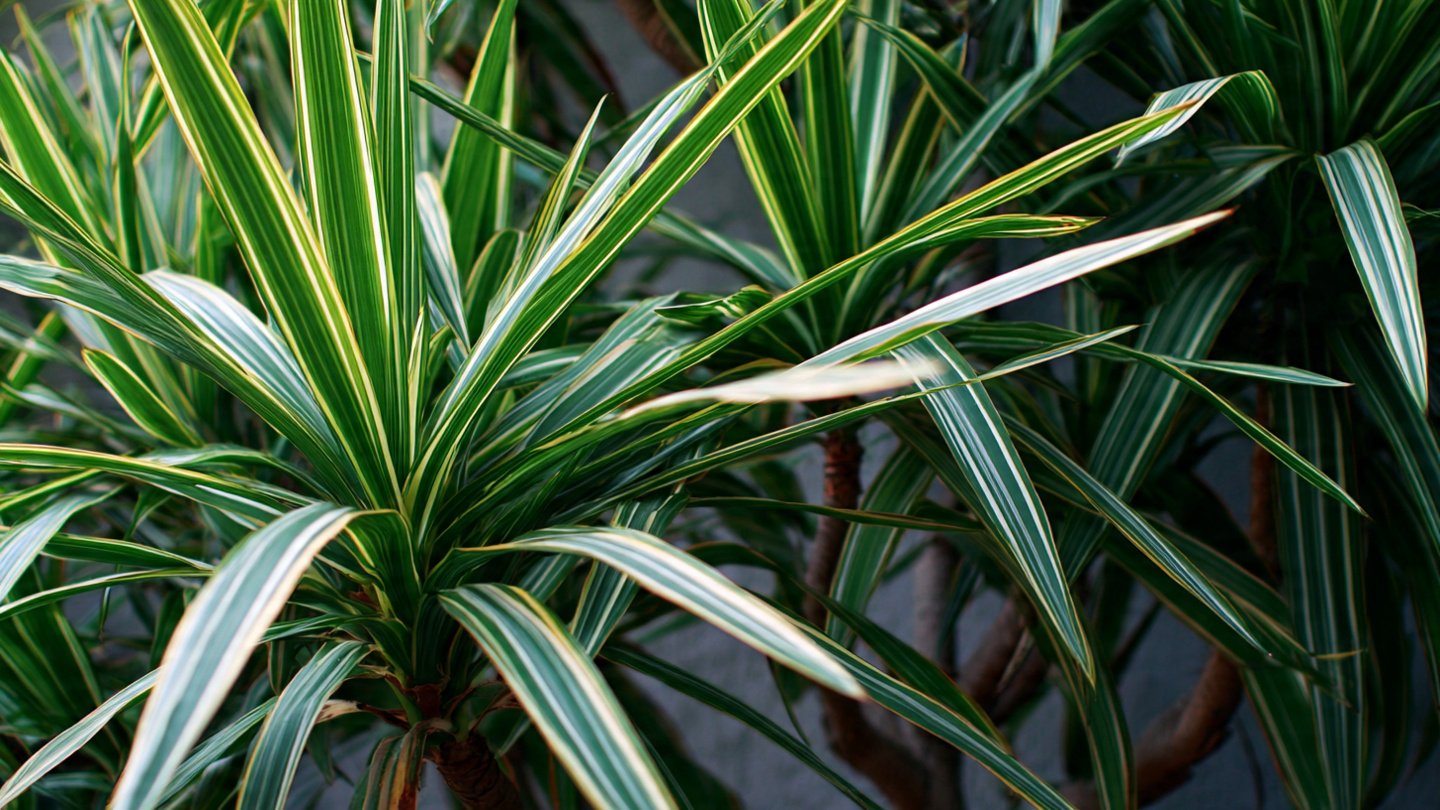
Dracaena marginata, commonly known as the Madagascar dragon tree, is a striking ornamental plant that has captured the attention of gardeners and interior decorators alike. Known for its slender, arching leaves with red edges, this plant adds elegance, height, and visual interest to gardens and landscapes. While widely grown as a houseplant, Dracaena marginata can also thrive outdoors in suitable climates, making it a versatile addition to your garden as a stunning accent or focal point. This guide will explore how to successfully grow and maintain Dracaena marginata in your landscape, ensuring healthy growth and year-round appeal.
Understanding Dracaena Marginata
Before diving into planting and care, it’s important to understand what makes Dracaena marginata so unique:
- Scientific Name: Dracaena marginata
- Common Names: Madagascar dragon tree, red-edged dracaena
- Origin: Native to Madagascar
- Growth Habit: Upright, slender stems topped with tufts of arching, sword-shaped leaves
- Height: Can grow up to 15 feet outdoors in ideal conditions, but generally smaller in containers or moderate climates
- Leaf Color: Dark green leaves edged with red or burgundy, adding visual interest
Dracaena marginata is prized for its low maintenance, dramatic form, and ability to serve as a vertical accent in gardens or landscaped areas.
Choosing the Right Location
Selecting the perfect location is the first step to growing Dracaena marginata successfully:
- Sunlight Requirements:
- Prefers bright, indirect sunlight outdoors.
- Can tolerate partial shade but may lose some vibrancy in leaf color if light is too low.
- Avoid direct midday sun in hot climates, as this can scorch the leaves.
- Temperature and Climate:
- Tropical and subtropical climates are ideal.
- Outdoor growth is suitable in USDA zones 10–12.
- If you live in cooler regions, consider container planting so the plant can be moved indoors during winter.
- Soil Requirements:
- Well-draining soil is essential to prevent root rot.
- A sandy loam enriched with compost or organic matter works best.
- Neutral to slightly acidic soil pH (6.0–7.0) promotes healthy growth.
- Wind Protection:
- Plant in a location shielded from strong winds to prevent leaf damage or stem breakage.
Selecting Healthy Plants
Whether starting from a nursery plant or a propagated cutting, choosing healthy stock ensures long-term success:
- Look for plants with vibrant, firm leaves and no yellowing or browning.
- Avoid plants with pests such as spider mites or scale insects.
- Choose stems that are upright and free from signs of disease or damage.
Healthy plants establish faster and require less intervention, making them ideal for landscape use.
Planting Dracaena Marginata
Proper planting is crucial to ensure strong growth and stability:
- Digging the Hole:
- The hole should be twice as wide and slightly deeper than the root ball.
- Loosen soil at the bottom to encourage root penetration.
- Preparing the Soil:
- Mix native soil with compost or well-rotted organic matter to improve fertility and drainage.
- Avoid heavy clay, which retains water and can cause root rot.
- Positioning the Plant:
- Place the plant at the same depth it was growing in its container.
- Ensure the crown is slightly above soil level to prevent water accumulation around the base.
- Backfilling and Watering:
- Fill the hole with soil mixture and gently firm it around the roots.
- Water thoroughly to settle the soil and remove air pockets.
- Mulching:
- Apply a 2–3 inch layer of mulch around the base to retain moisture, regulate soil temperature, and suppress weeds.
- Keep mulch a few inches away from the stem to prevent rot.
Watering and Fertilizing
Proper watering and feeding are essential for vibrant Dracaena marginata:
Watering
- Maintain evenly moist soil, especially during the first year after planting.
- Allow the top inch of soil to dry out between watering to prevent waterlogging.
- Reduce watering in winter when growth slows.
- Avoid wetting leaves excessively, as this can promote fungal diseases.
Fertilizing
- Apply a balanced, slow-release fertilizer during the growing season (spring and summer).
- Use a fertilizer higher in nitrogen for lush foliage development.
- Feed every 6–8 weeks during active growth.
- Reduce fertilization in fall and winter.
Pruning and Shaping
Pruning Dracaena marginata helps maintain its aesthetic appeal and encourages healthy growth:
- Removing Dead or Damaged Leaves:
- Trim brown, yellowing, or damaged leaves at the base using clean, sharp scissors or pruning shears.
- Controlling Height:
- Dracaena can grow tall quickly. Cut back stems to control height and encourage branching.
- New shoots will emerge from the cut point, creating a fuller appearance.
- Maintaining a Focal Point:
- For landscape accents, prune selectively to emphasize a clean, vertical form.
- Remove any low or crowded growth that detracts from the plant’s shape.
Pest and Disease Management
While relatively hardy, Dracaena marginata can occasionally face pest or disease challenges:
- Common Pests:
- Spider mites, scale insects, and mealybugs.
- Treat infestations with insecticidal soap or neem oil.
- Fungal Issues:
- Root rot is the most common problem, usually caused by overwatering.
- Ensure proper drainage and avoid water accumulation around the base.
- Leaf Spots:
- Can result from fungal or bacterial infections. Remove affected leaves and improve air circulation.
Preventive care, including proper spacing and watering practices, significantly reduces these risks.
Incorporating Dracaena Marginata into Your Landscape
Dracaena marginata is highly versatile and can serve multiple roles in garden design:
- Focal Point:
- Its upright, dramatic form makes it ideal as a standalone accent in beds or near patios.
- Mixed Borders:
- Pair with lower-growing plants like ferns, hostas, or ornamental grasses for layered texture.
- Containers and Raised Beds:
- Plant in large containers for patios or terraces. This allows for seasonal mobility in cooler climates.
- Tropical or Modern Gardens:
- Its sculptural leaves and vertical growth suit tropical-themed or contemporary landscapes.
Winter Care for Colder Regions
In regions where temperatures drop below freezing, additional precautions are necessary:
- Container Plants:
- Move Dracaena marginata indoors or into a greenhouse during winter.
- Keep in bright, indirect light and reduce watering.
- Outdoor Plants:
- Provide frost protection with covers, burlap wraps, or temporary greenhouses.
- Mulch heavily around the root zone to insulate the soil.
- Pruning:
- Avoid heavy pruning in late fall to prevent stimulating new growth that may be damaged by cold.
Propagation Techniques
Dracaena marginata is easily propagated, allowing gardeners to expand their landscape displays:
- Stem Cuttings:
- Cut 4–6 inch healthy stems.
- Remove lower leaves and place the cutting in water or moist soil.
- Roots develop in a few weeks, after which the cutting can be planted in the ground or container.
- Air Layering:
- Wrap a section of stem with moist sphagnum moss and cover with plastic wrap.
- Roots form along the moss; once established, cut and plant.
Propagation allows you to create multiple plants for a cohesive landscape design.
Tips for Maintaining a Stunning Landscape Accent
- Regular Monitoring: Check for pests, nutrient deficiencies, or signs of stress.
- Sunlight Management: Ensure the plant receives adequate indirect light.
- Consistent Watering: Keep soil consistently moist but not waterlogged.
- Pruning and Shaping: Maintain its dramatic form and encourage branching.
- Fertilization: Feed during active growth periods for healthy, vibrant leaves.
- Protect During Winter: Use frost protection in colder climates to ensure longevity.
Conclusion
Dracaena marginata is an elegant, low-maintenance plant that can serve as a stunning focal point or landscape accent in your garden. Its upright, red-edged leaves and sculptural form add height, texture, and visual interest to a variety of garden styles—from tropical and modern to container-focused patios.
By selecting the right location, providing proper sunlight, soil, and watering, and practicing regular pruning and pest management, gardeners can enjoy the beauty of Dracaena marginata year-round. Whether planted directly in the ground in warm climates or maintained in containers for cooler regions, this versatile plant promises a dramatic and eye-catching addition to any landscape.
With careful care and attention, your Dracaena marginata will thrive, transforming ordinary garden spaces into vibrant, sophisticated outdoor environments that capture attention and admiration.