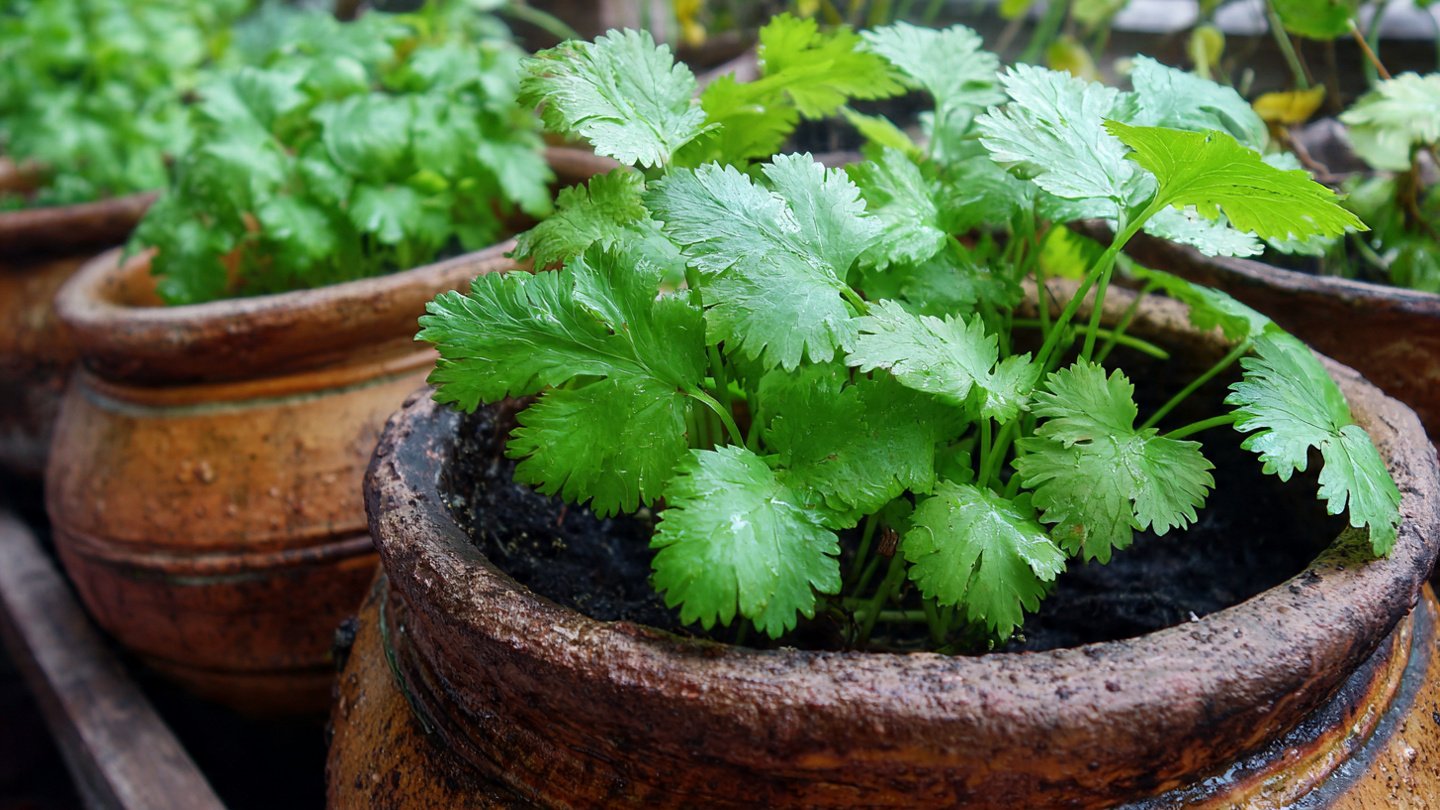
Coriander, also known as cilantro, is a staple herb in kitchens around the world. Its fresh, aromatic leaves and flavorful seeds enhance curries, salads, salsas, and countless other dishes. While coriander grows easily in gardens, urban gardening enthusiasts often face space constraints, making container gardening an ideal solution. With the right techniques, coriander can thrive in small pots, providing a continuous supply of fresh leaves even in apartments, balconies, or small terraces. This guide will walk you through everything you need to know to successfully grow coriander in small containers.
Why Grow Coriander in Small Pots?
Urban gardening comes with challenges such as limited outdoor space and access to soil. Growing coriander in small pots addresses these challenges while offering numerous benefits:
- Freshness: Homegrown coriander tastes far better than store-bought, often wilted leaves.
- Cost Savings: Regularly purchasing coriander can be expensive. Growing it at home ensures a continuous supply at a fraction of the cost.
- Chemical-Free: By cultivating your own coriander, you control fertilizers and pest management, avoiding harmful chemicals.
- Convenience: Having a pot of coriander on your balcony or windowsill ensures easy access while cooking.
- Compact Gardening: Small pots are perfect for urban spaces, rooftop gardens, or even indoor kitchens.
With these advantages, coriander becomes not only a culinary herb but also a rewarding urban gardening project.
Selecting the Right Container
Coriander grows best in containers with good drainage. When choosing a pot:
- Size: Use a pot at least 6–8 inches deep and 8–12 inches wide. Coriander has a taproot that needs space to grow downward.
- Material: Clay, ceramic, or plastic pots are all suitable. Clay pots provide better aeration but dry out faster. Plastic retains moisture longer.
- Drainage: Ensure the pot has drainage holes to prevent waterlogging, which can cause root rot.
- Shape: Deep, narrow pots encourage healthier root development, while wide, shallow containers may limit growth.
A well-chosen container ensures a strong root system and healthy foliage.
Choosing the Right Soil
Coriander thrives in fertile, well-draining soil. Consider these points when preparing your potting mix:
- Soil Composition: Use a mix of garden soil, compost, and coarse sand or coco peat for proper aeration.
- Nutrient-Rich: Coriander benefits from organic matter such as compost or worm castings.
- pH Level: Slightly acidic to neutral soil (pH 6.2–7.0) is optimal for growth.
Well-prepared soil ensures vigorous growth, strong roots, and abundant leaves.
Sowing Coriander Seeds
Coriander is grown from seeds, which are easy to sow in small containers:
- Pre-Soak Seeds: Soak seeds in water for 12–24 hours to speed up germination.
- Planting Depth: Sow seeds ¼ to ½ inch deep in the soil.
- Spacing: For bushy growth, plant 3–4 seeds per pot and thin seedlings to one strong plant after germination.
- Germination: Seeds typically germinate in 7–14 days depending on temperature. Keep soil moist during this period.
By following these steps, urban gardeners can achieve healthy seedlings ready for continuous harvesting.
Providing Proper Sunlight
Coriander grows best in full sunlight, ideally 4–6 hours daily. For urban gardeners:
- Place pots on balconies, terraces, or near sunny windows.
- Rotate pots regularly to ensure all parts of the plant receive sunlight.
- During extremely hot conditions, provide partial shade during peak afternoon hours to prevent leaf scorching.
Adequate sunlight promotes bushy growth, robust flavor, and higher leaf production.
Watering and Moisture Management
Coriander requires consistent moisture but is sensitive to overwatering:
- Watering Frequency: Keep the soil evenly moist but not waterlogged. Water 2–3 times a week, depending on weather and pot size.
- Avoid Wet Foliage: Water at the base to prevent fungal diseases on leaves.
- Drainage Check: Ensure excess water drains out of the pot to avoid root rot.
Maintaining the right moisture balance encourages lush leaves and prevents plant stress.
Fertilizing for Maximum Growth
Even in small pots, coriander benefits from periodic fertilization:
- Organic Fertilizers: Use compost, vermicompost, or diluted liquid fertilizers every 2–3 weeks.
- Balanced Nutrients: A balanced NPK fertilizer promotes strong leaf growth without excessive nitrogen, which can make the flavor weak.
- Foliar Feeding: Spray diluted organic solutions like seaweed extract on leaves for extra nutrients.
Proper fertilization ensures continuous growth and flavorful leaves.
Encouraging Bushy Growth
To grow coriander that is lush and bushy rather than tall and leggy:
- Pinching: Pinch the tips of young plants to encourage branching.
- Regular Harvesting: Harvest leaves regularly to stimulate new growth. Avoid cutting more than one-third of the plant at a time.
- Thinning: Thin crowded seedlings to reduce competition and allow each plant to grow strong.
These simple steps ensure a dense, healthy coriander plant producing leaves for months.
Pest and Disease Management
Coriander in small pots is relatively pest-resistant, but occasional issues can arise:
Common Pests:
- Aphids: Spray with neem oil or soapy water.
- Spider mites: Maintain humidity and use mild sprays to control infestations.
- Caterpillars: Handpick or use organic insecticides if necessary.
Common Diseases:
- Damping-off: Occurs in seedlings; avoid overwatering and ensure proper drainage.
- Powdery mildew: Provide sunlight and proper spacing to prevent fungal growth.
Healthy plants with good airflow and regular care are less likely to be affected.
Harvesting Coriander
Coriander leaves can be harvested continuously once the plant reaches 6–8 inches in height:
- Cut Leaves: Snip outer leaves with scissors while leaving the central stem intact.
- Regular Harvest: Frequent harvesting encourages new leaf growth.
- Seeds: If desired, allow some plants to flower and set seeds for coriander seeds, which can be used in cooking.
With regular harvesting, coriander plants in small pots can provide fresh leaves for several months.
Tips for Urban Gardening Success
- Multiple Pots: Use several pots sown at different times for continuous harvest.
- Companion Planting: Plant basil, mint, or lettuce nearby to maximize space and deter pests.
- Indoor Cultivation: Coriander can be grown indoors near sunny windows using grow lights if sunlight is limited.
- Rotate Soil: Refresh soil every few months to maintain nutrient levels.
By combining these techniques, urban gardeners can maintain a steady supply of fresh coriander throughout the year.
Final Thoughts
Growing coriander in small pots is an excellent solution for urban gardening enthusiasts. By selecting the right container, preparing nutrient-rich soil, providing adequate sunlight and water, and maintaining regular care, coriander can thrive even in limited spaces. Frequent harvesting and pinching encourage bushy growth and abundant leaves, while proper pest and disease management ensures healthy plants.
With patience and consistency, you can enjoy fresh, flavorful coriander leaves for cooking, garnish, and even seeds—all grown in your own home, balcony, or terrace. Small-space gardening has never been easier or more rewarding.