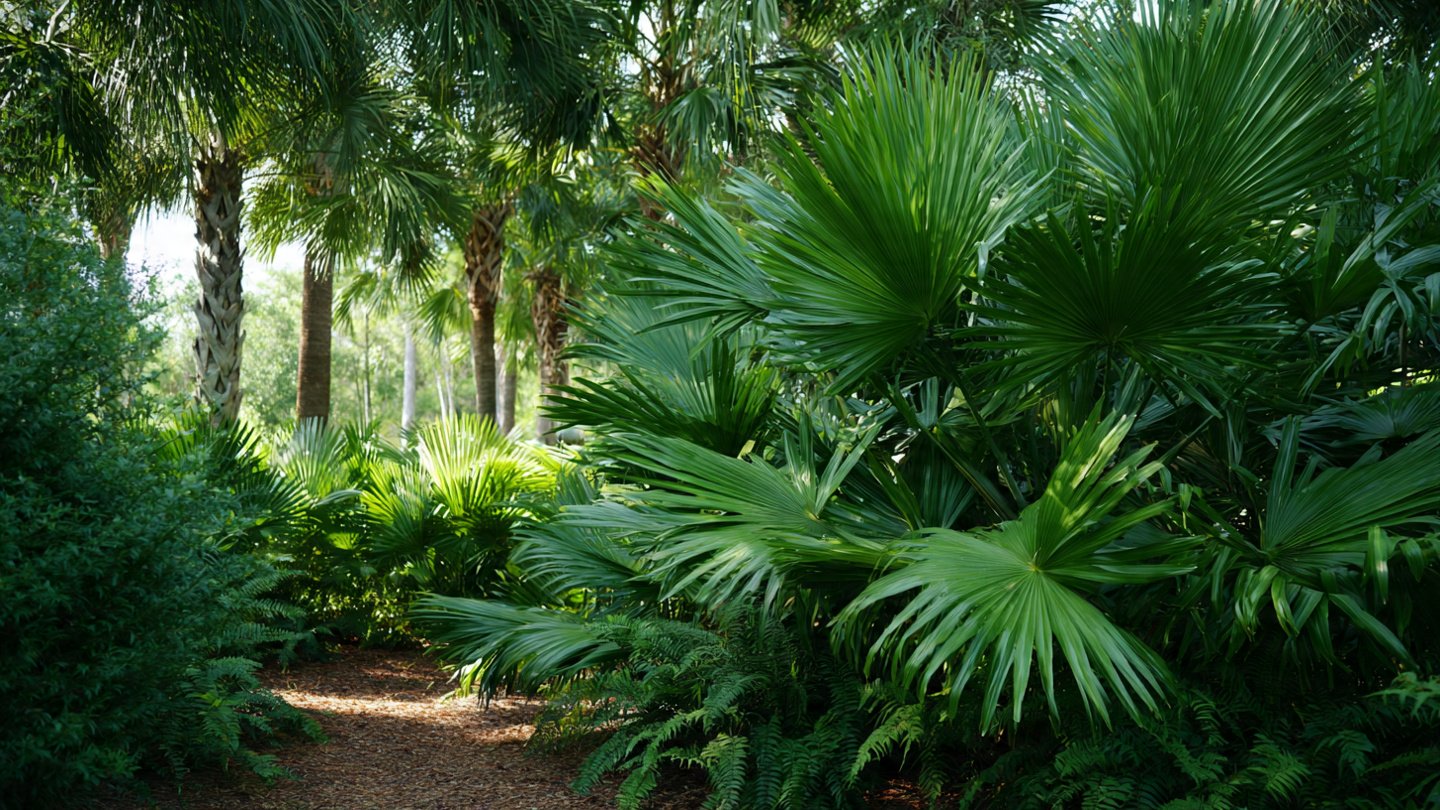
The Bottle Palm (Hyophorbe lagenicaulis) is one of the most striking ornamental palms, known for its bulbous trunk, graceful fronds, and compact size. With its unique shape resembling a bottle, this palm adds a tropical touch to coastal gardens, poolside landscapes, and residential yards. Thriving in sandy soils, salty air, and warm climates, Bottle Palms are ideal for gardeners seeking an exotic, low-maintenance, yet visually stunning addition to their landscape.
This guide explores how to successfully grow Bottle Palm in coastal landscapes, covering planting techniques, soil requirements, care tips, and strategies for ensuring lush, healthy palms with year-round appeal.
Why Choose Bottle Palm for Coastal Gardens?
Bottle Palms are particularly well-suited to coastal landscapes due to their adaptability and ornamental appeal:
- Salt Tolerance: Bottle Palms can withstand moderate salt spray from the ocean, making them ideal for seaside planting.
- Drought Resistance: Once established, they require minimal watering and thrive in well-drained sandy soils.
- Compact Size: Unlike other palms, Bottle Palms remain small and manageable, typically growing 10–12 feet tall, perfect for smaller coastal yards.
- Tropical Aesthetic: Their bulbous trunk, arching fronds, and symmetrical growth provide a lush, tropical look year-round.
- Low Maintenance: These palms are hardy, pest-resistant, and require minimal pruning, making them ideal for busy gardeners.
Incorporating Bottle Palms into coastal landscapes creates an immediate sense of tropical luxury without the high maintenance of other exotic palms.
Step 1: Selecting the Right Site
Location is crucial for the success of Bottle Palm cultivation. Consider the following:
- Sunlight: Bottle Palms prefer full sun but can tolerate partial shade. Coastal areas often have intense sunlight, so morning sun exposure is ideal.
- Wind Protection: While tolerant of moderate wind, young palms benefit from some shelter from strong ocean breezes to prevent frond damage.
- Soil Drainage: Plant in well-draining soil, preferably sandy loam. Poor drainage can lead to root rot, especially in coastal areas with high rainfall.
- Space Considerations: Provide sufficient space for the palm to display its unique bulbous trunk and fronds. Avoid overcrowding with other plants.
A thoughtfully chosen site ensures strong growth, healthy foliage, and enhanced tropical appeal.
Step 2: Preparing the Soil
Bottle Palms thrive in soils that replicate their native tropical environment:
- Sandy, Well-Drained Soil: Coastal soils naturally tend to be sandy, which suits Bottle Palms perfectly.
- Organic Matter: Incorporate compost or organic mulch to improve nutrient availability.
- Soil pH: Slightly acidic to neutral soils (pH 6.0–7.0) promote optimal nutrient absorption.
- Amending Poor Soil: If your coastal soil is compacted or clay-heavy, mix in sand and organic matter to enhance drainage and aeration.
Proper soil preparation reduces stress on the palm and encourages vigorous growth.
Step 3: Planting the Bottle Palm
Correct planting techniques are vital for long-term success:
- Digging the Hole: Excavate a hole twice as wide and as deep as the root ball to accommodate healthy root expansion.
- Positioning the Palm: Place the palm at the same depth it was growing in its container. Avoid burying the trunk, as this can cause rot.
- Backfilling: Fill the hole with a mix of native soil and organic compost, gently firming it around the roots to eliminate air pockets.
- Watering: Water thoroughly after planting to help settle the soil and support root establishment.
Proper planting ensures that your Bottle Palm establishes quickly and grows strong in a coastal environment.
Step 4: Watering Practices
Although Bottle Palms are drought-tolerant once mature, young plants need consistent moisture:
- Initial Watering: Water deeply 2–3 times per week for the first 2–3 months to encourage root development.
- Established Plants: Reduce frequency to once per week during dry spells. Coastal humidity often reduces the need for frequent irrigation.
- Avoid Overwatering: Ensure that the soil drains well; standing water can lead to root rot.
- Mulching: Apply a 2–3 inch layer of mulch around the base to retain soil moisture, suppress weeds, and maintain temperature.
Balanced watering supports healthy frond growth and minimizes stress in a coastal environment.
Step 5: Fertilizing for Lush Growth
Regular fertilization promotes vibrant foliage and robust trunks:
- Palm-Specific Fertilizer: Use a slow-release fertilizer formulated for palms, rich in nitrogen, potassium, magnesium, and manganese.
- Frequency: Fertilize 3–4 times a year, ideally in early spring, mid-summer, and fall.
- Avoid Over-Fertilization: Excess fertilizer can burn roots and damage foliage.
- Organic Options: Compost, seaweed extract, and worm castings are excellent alternatives for coastal gardeners.
Proper nutrition enhances frond color, trunk development, and overall tropical appeal.
Step 6: Supporting Young Palms
Young Bottle Palms may need support to withstand coastal winds:
- Staking: Use soft ties and stakes to stabilize the trunk until roots are well established.
- Windbreaks: Plant near shrubs, fences, or other structures for partial wind protection.
- Avoid Excessive Pruning: Only remove damaged fronds; avoid heavy trimming, which can stress the plant.
Support ensures that young palms develop strong roots and maintain their iconic bottle-shaped trunk.
Step 7: Dealing with Pests and Diseases
While Bottle Palms are generally hardy, coastal conditions can occasionally expose them to pests and disease:
- Scale Insects and Mealybugs: Check fronds regularly and treat infestations with horticultural oil or insecticidal soap.
- Fungal Diseases: Ensure proper drainage and air circulation to prevent leaf spot or root rot.
- Nutrient Deficiencies: Yellowing fronds often indicate magnesium or manganese deficiency; use a palm-specific supplement.
Early intervention helps maintain healthy, lush palms and prevents long-term damage.
Step 8: Pruning and Maintenance
Minimal pruning is required for Bottle Palms, but proper maintenance enhances appearance:
- Remove Dead or Brown Fronds: Cut fronds close to the trunk but avoid damaging the bulbous trunk.
- Trim Flower Stalks: While flowers are ornamental, removing spent flower stalks maintains a neat appearance.
- Clean Base: Remove fallen leaves and debris to prevent pests and fungal growth.
Routine maintenance keeps your Bottle Palm looking lush and attractive year-round.
Step 9: Enhancing Coastal Appeal
Bottle Palms thrive as focal points in coastal landscaping:
- Group Plantings: Plant 2–3 palms together for a clustered tropical look.
- Companion Plants: Combine with bougainvillea, hibiscus, or other coastal-tolerant shrubs for layered color and texture.
- Containers: Young palms can be grown in large pots before transplanting into the landscape.
- Pathway Accents: Line driveways, patios, or pool areas to create a tropical corridor effect.
Creative placement accentuates the natural beauty of Bottle Palms and enhances your coastal landscape’s tropical charm.
Advantages of Bottle Palm in Coastal Landscapes
- Salt and Wind Tolerance: Performs well in challenging coastal conditions.
- Compact Size: Suitable for small yards and container planting.
- Low Maintenance: Requires minimal care once established.
- Tropical Aesthetic: Adds exotic appeal and visual interest year-round.
- Longevity: With proper care, Bottle Palms live for decades, enhancing the landscape over time.
Bottle Palms are a perfect combination of beauty, adaptability, and resilience for coastal gardening enthusiasts.
Conclusion
Successfully growing Bottle Palm in coastal landscapes involves careful attention to site selection, soil preparation, planting techniques, watering, fertilization, and ongoing maintenance. With their unique bottle-shaped trunks, lush fronds, and tropical appeal, these palms transform ordinary yards into exotic retreats.
By following these simple steps for cultivating Bottle Palm, gardeners can enjoy a stunning tropical centerpiece that thrives in coastal environments, requires minimal care, and adds lasting beauty to any outdoor space. Whether planted as a solitary specimen, in clusters, or as part of a mixed landscape, Bottle Palms bring elegance, charm, and tropical flair to coastal gardens.