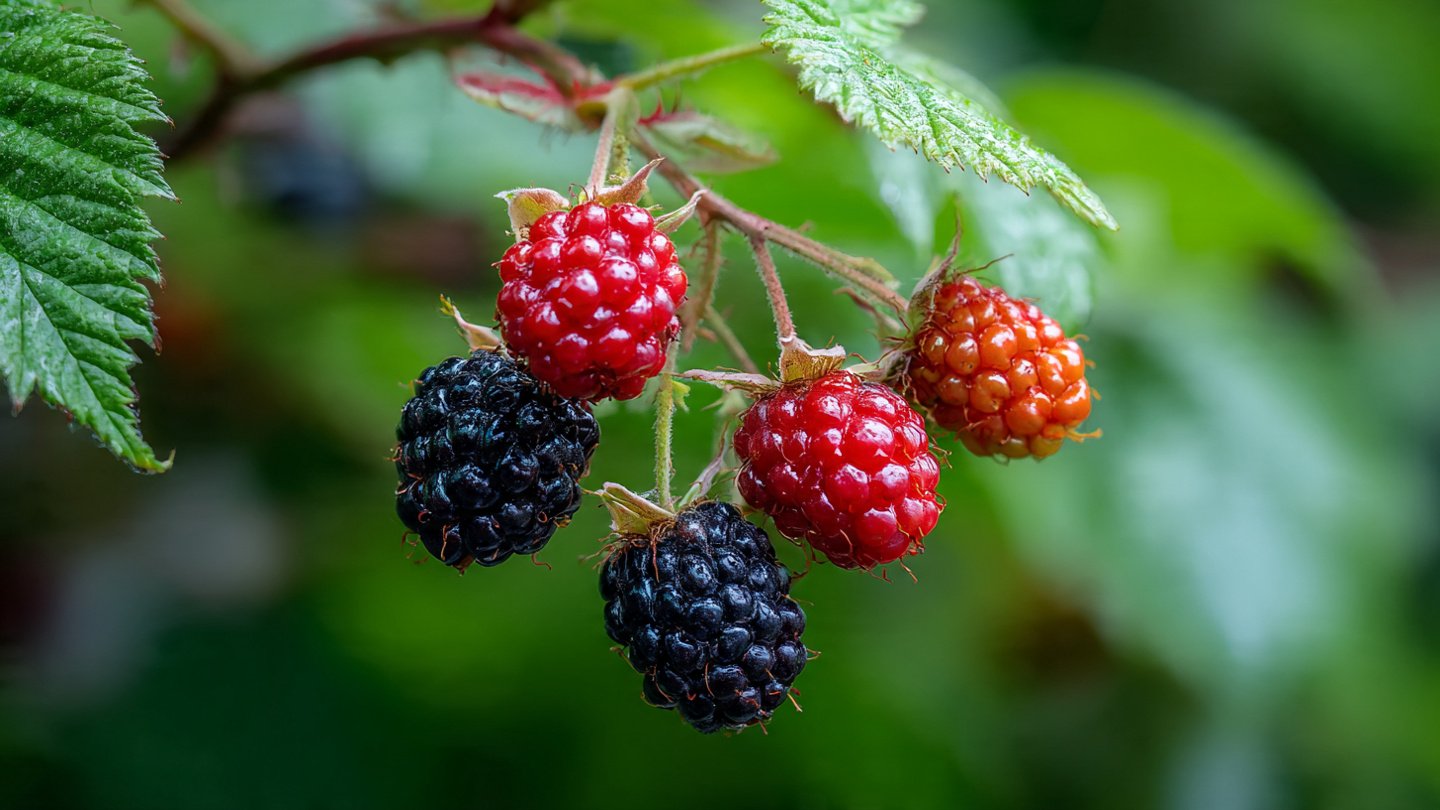
Black raspberries are a delicious, nutrient-packed fruit that can transform any home garden into a haven for fresh, juicy berries. Known for their deep flavor and dark, glossy color, black raspberries are rich in antioxidants, vitamins, and fiber. Unlike red raspberries, black varieties are slightly smaller but often more flavorful, making them perfect for jams, desserts, smoothies, or simply snacking straight from the bush. Growing black raspberries at home may seem challenging for beginners, but with the right knowledge and techniques, anyone can cultivate thriving plants and enjoy abundant harvests year after year.
This guide provides step-by-step instructions for beginners on how to grow black raspberries successfully, including choosing the right variety, planting, caring for the plants, and harvesting the fruits.
Why Grow Black Raspberries at Home?
Homegrown black raspberries offer multiple advantages:
- Freshness and Flavor: Nothing compares to freshly picked berries straight from your backyard. Store-bought berries are often bland and quickly lose their flavor.
- Nutritional Value: Black raspberries are rich in vitamins C and K, manganese, and dietary fiber. They are also high in antioxidants, which support overall health.
- Cost-Effective: While black raspberries can be expensive in stores, growing them at home provides a continuous supply at a fraction of the cost.
- Gardening Enjoyment: Cultivating raspberries offers a rewarding experience, from planting to harvesting.
- Attractive Landscape Plant: The bushy plants with dark berries add beauty to gardens, patios, and backyards.
Even beginners can enjoy these benefits by following proper planting and care practices.
Selecting the Right Black Raspberry Variety
Choosing the right variety is key to a successful harvest. Black raspberries are generally classified as “erect” or “trailing” types:
- Erect varieties: Grow upright and are easier to manage, making them ideal for home gardens. Examples include Jewel, Bristol, and Black Hawk.
- Trailing varieties: Spread along the ground or trellises and require more space and support. Examples include Cumberland and MacBlack.
For beginners, erect varieties are recommended because they are easier to prune, harvest, and maintain. Consider local climate and soil conditions when selecting varieties to ensure successful growth.
Choosing the Perfect Location
Black raspberries thrive in full sun and well-drained soil. Here’s what to look for in a planting location:
- Sunlight: Plants need at least 6–8 hours of direct sunlight daily for optimal growth and fruiting.
- Soil: Well-draining, loamy soil with a slightly acidic pH (5.5–6.5) is ideal. Avoid heavy clay or waterlogged soils, which can lead to root rot.
- Air Circulation: Good airflow reduces fungal diseases such as anthracnose and powdery mildew.
- Space: Erect black raspberry plants require 2–3 feet of spacing between plants and 6–8 feet between rows. Trailing varieties need more room and trellis support.
A sunny, airy location ensures strong growth, healthy plants, and a bountiful harvest.
Preparing the Soil
Healthy soil is critical for black raspberry plants:
- Clear the area: Remove weeds, grass, and debris from the planting site.
- Amend the soil: Incorporate compost, well-rotted manure, or organic matter to improve fertility and drainage.
- Check pH: Adjust soil acidity if necessary using garden lime (to raise pH) or sulfur (to lower pH).
- Form raised beds: If soil is heavy or poorly drained, raise beds by 6–12 inches to prevent waterlogging.
Well-prepared soil ensures strong root development, vigorous growth, and high yields.
Planting Black Raspberries
Black raspberries are typically planted in early spring, just as the soil becomes workable.
Steps for planting:
- Dig holes: Space erect varieties 2–3 feet apart and make each hole 12 inches deep and wide enough to accommodate roots.
- Position plants: Place the roots carefully in the hole, ensuring the crown is just above the soil surface.
- Backfill soil: Cover roots with soil, firm gently, and water thoroughly.
- Mulch: Apply 2–3 inches of straw, wood chips, or compost around the base to retain moisture, suppress weeds, and regulate temperature.
For trailing varieties, plant along a trellis or support system to manage their sprawling growth.
Watering and Fertilization
Black raspberries require consistent moisture, especially during flowering and fruit development.
Watering tips:
- Provide 1–2 inches of water per week, either through rainfall or supplemental irrigation.
- Avoid wetting foliage excessively to reduce the risk of fungal diseases.
- Mulching helps maintain soil moisture and reduces evaporation.
Fertilization:
- Apply a balanced organic fertilizer in early spring and again after harvest.
- Compost tea or well-rotted manure can supplement nutrients and improve soil structure.
- Avoid over-fertilizing, as excessive nitrogen promotes leafy growth at the expense of fruit.
Pruning and Training
Pruning is essential for plant health, higher yields, and easier harvesting:
- Erect varieties: Remove weak or damaged canes in early spring. Cut back last year’s fruiting canes after harvest to encourage new growth.
- Trailing varieties: Train canes along a trellis and remove older, fruiting canes after harvest.
- Summer maintenance: Thin dense growth to improve airflow and sunlight penetration.
Proper pruning reduces disease risks and encourages larger, sweeter berries.
Pest and Disease Management
Black raspberries can be affected by pests and diseases, but preventive care minimizes damage:
Common pests:
- Aphids: Control with insecticidal soap or neem oil.
- Spider mites: Keep foliage healthy and spray water to dislodge mites.
- Raspberry beetles: Handpick or use organic insecticides as needed.
Common diseases:
- Anthracnose and cane blight: Prune infected canes and avoid overhead watering.
- Powdery mildew: Ensure proper spacing, airflow, and sunlight.
Regular monitoring and prompt action prevent infestations and maintain healthy plants.
Harvesting Black Raspberries
Black raspberries are ready to harvest when they are fully black, glossy, and slightly soft to the touch.
- Pick berries gently to avoid damaging the canes.
- Harvest every 2–3 days during peak season to encourage continuous production.
- Refrigerate freshly picked berries immediately to maintain freshness, or freeze for long-term storage.
Proper harvesting ensures maximum flavor, quality, and shelf life.
Benefits of Growing Black Raspberries at Home
- Fresh, chemical-free berries: Enjoy nutrient-rich fruits directly from your garden.
- High yield: With proper care, black raspberries can produce 1–2 pounds of berries per plant per season.
- Decorative plant: Attractive foliage and berries enhance garden aesthetics.
- Educational experience: Ideal for beginners learning about fruit cultivation, pruning, and pest management.
Final Thoughts
Growing black raspberries at home is a rewarding experience that combines flavor, nutrition, and gardening satisfaction. Beginners can successfully cultivate these delicious berries by selecting the right variety, preparing the soil properly, planting with care, and maintaining consistent watering, pruning, and pest control routines. With patience and dedication, home gardeners can enjoy bountiful harvests of sweet, juicy black raspberries for years to come.
Whether you have a backyard, balcony, or small garden, black raspberries are a manageable and productive fruit crop that adds both beauty and taste to your home garden.