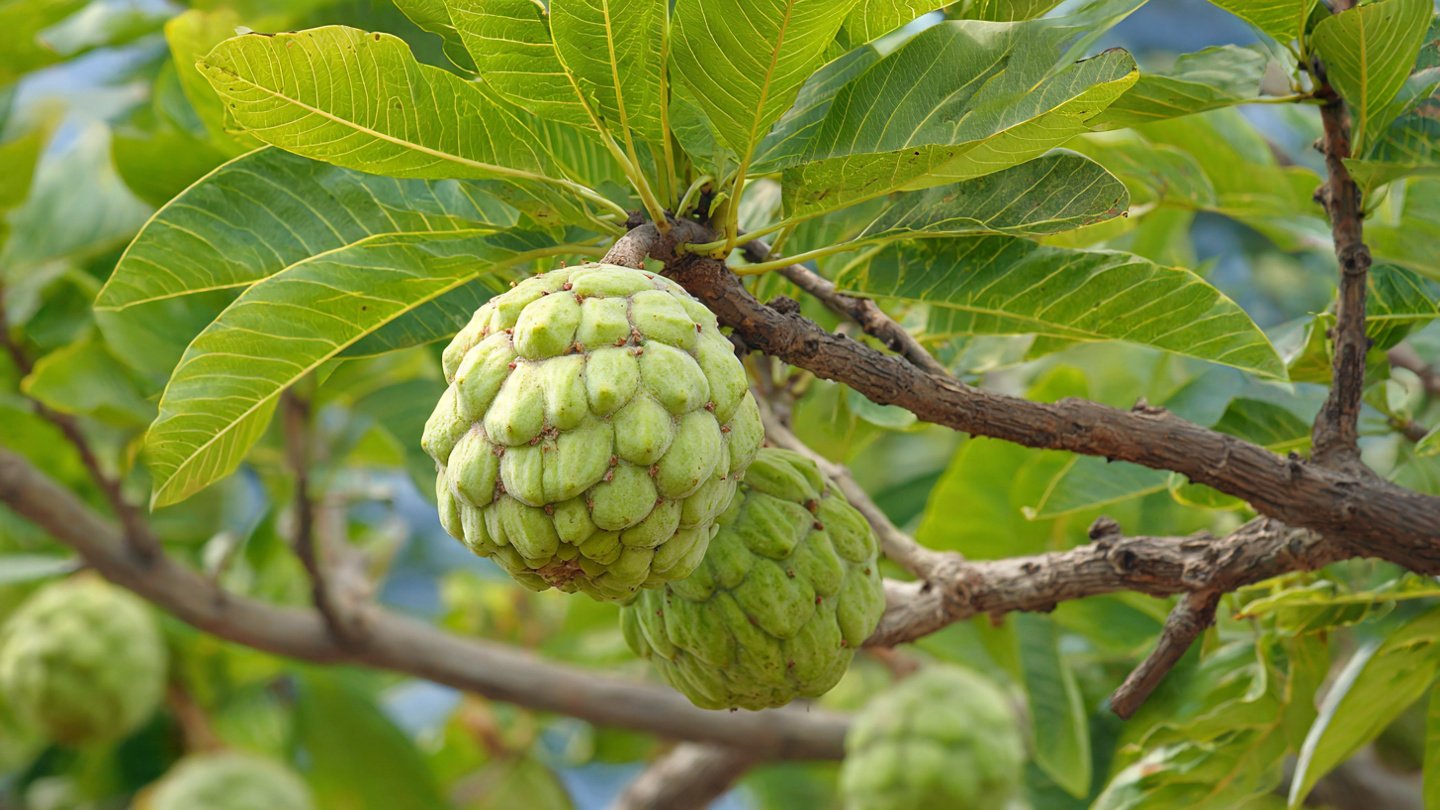
Custard apple, also known as sitaphal, is a delicious tropical fruit prized for its creamy texture and sweet flavor. Traditionally grown in open soil, this fruit tree can also thrive exceptionally well in a grow bag when given the right care. Growing a custard apple tree in a grow bag is an excellent option for gardeners with limited space, poor soil conditions, or those who want better control over plant health and fruit production.
This detailed guide will walk you through everything you need to know to successfully grow a custard apple tree in a grow bag and achieve optimal fruiting year after year.
Why Grow Custard Apple in a Grow Bag?
Grow bags offer several advantages over traditional ground planting. They improve drainage, promote healthy root development, and allow you to move the plant easily to adjust sunlight exposure. For custard apple trees, which prefer well-drained soil and warm conditions, grow bags create an ideal growing environment.
Some key benefits include:
- Better root aeration
- Reduced risk of waterlogging
- Easier pest and disease management
- Suitable for terraces, balconies, and small gardens
With proper care, a grow bag–grown custard apple tree can produce fruits just as well as one grown in open soil.
Choosing the Right Grow Bag Size
Selecting the correct grow bag is crucial for long-term success. Custard apple trees develop a strong root system and need ample space to grow.
Recommended grow bag size:
- Minimum: 18–24 inches in diameter and depth
- Ideal: 30 inches or more for mature trees
A larger grow bag ensures healthy root expansion, better nutrient absorption, and improved fruit production. Always choose a sturdy, breathable grow bag designed for fruit trees.
Preparing the Perfect Soil Mix
Soil quality plays a major role in tree health and fruit yield. Custard apple trees thrive in loose, fertile, and well-draining soil.
An ideal soil mix includes:
- Garden soil (40%)
- Well-rotted compost or vermicompost (30%)
- Sand or cocopeat for drainage (20%)
- Neem cake or organic manure (10%)
Mix the components thoroughly before filling the grow bag. This blend provides balanced nutrition, proper drainage, and good moisture retention.
Planting the Custard Apple Tree
You can grow custard apple from seeds, grafted saplings, or air-layered plants. For faster fruiting and consistent quality, grafted plants are highly recommended.
Planting steps:
- Fill the grow bag with prepared soil, leaving a few inches at the top.
- Place the sapling in the center, ensuring the root ball sits slightly above soil level.
- Gently firm the soil around the roots.
- Water thoroughly to settle the soil.
Position the grow bag in a location that receives plenty of sunlight.
Sunlight Requirements
Custard apple trees are sun-loving plants. Adequate sunlight directly influences flowering and fruit formation.
Sunlight guidelines:
- Minimum 6–8 hours of direct sunlight daily
- Morning sunlight is especially beneficial
- Avoid prolonged shade, which reduces flowering
If growing on a terrace or balcony, move the grow bag to the sunniest spot available.
Watering for Healthy Growth and Fruit Set
Proper watering is essential, especially in grow bags where soil dries out faster than ground soil.
Watering tips:
- Water deeply but allow the topsoil to dry slightly between watering
- Avoid constant moisture, which can cause root rot
- Increase watering during flowering and fruit development
- Reduce watering during cooler months
Good drainage is key to preventing water-related issues.
Fertilizing for Optimal Fruit Production
Custard apple trees require regular feeding to support leaf growth, flowering, and fruiting.
Fertilizer schedule:
- Every 30–40 days: Apply compost or vermicompost
- During flowering: Use phosphorus-rich organic fertilizer
- During fruiting: Add potassium-rich inputs like banana peel compost or wood ash (in moderation)
Avoid excessive nitrogen during flowering, as it promotes leaf growth at the expense of fruits.
Pruning and Training the Tree
Pruning helps maintain tree shape, improves air circulation, and encourages better fruiting.
Pruning guidelines:
- Remove dead, weak, or crossing branches
- Maintain an open canopy for sunlight penetration
- Prune lightly after harvesting fruits
- Avoid heavy pruning during flowering season
Well-pruned trees produce healthier branches and higher-quality fruits.
Encouraging Flowering and Pollination
Custard apple flowers require effective pollination for good fruit set. In some regions, natural pollinators may be limited.
Tips to improve pollination:
- Grow flowering plants nearby to attract insects
- Hand-pollinate flowers using a soft brush if needed
- Maintain proper nutrition and watering during flowering
Good pollination significantly improves fruit size and yield.
Managing Pests and Diseases
Common pests include mealybugs, aphids, and fruit borers. Fungal diseases may occur if humidity is too high.
Preventive measures:
- Inspect leaves and stems regularly
- Spray neem oil every 10–15 days as a preventive treatment
- Remove affected parts immediately
- Maintain good airflow around the plant
Early detection and organic treatments help keep the tree healthy.
Harvesting Custard Apples
Custard apples are ready to harvest when the fruit turns slightly yellow-green and segments begin to separate. Mature fruits often fall naturally when ripe.
Harvesting tips:
- Pick fruits carefully to avoid damage
- Harvest slightly mature fruits and allow them to ripen off the tree
- Avoid pulling fruits forcefully from branches
Proper harvesting ensures better taste and texture.
Seasonal Care and Maintenance
Custard apple trees may shed leaves during cooler months, which is normal. Reduce watering and feeding during this period.
Seasonal tips:
- Protect grow bags from extreme cold or heat
- Refresh topsoil annually with compost
- Check drainage holes regularly
Consistent seasonal care ensures long-term productivity.
Final Thoughts
Growing a custard apple tree in a grow bag is a practical and rewarding approach for home gardeners. With the right grow bag size, quality soil, proper sunlight, and consistent care, your tree can thrive and produce delicious fruits even in limited spaces.
By paying attention to watering, feeding, pruning, and pest management, you can enjoy healthy growth and abundant harvests year after year. Whether you are a beginner or an experienced gardener, growing custard apple in a grow bag is a fulfilling way to enjoy fresh, homegrown fruit right from your own space.