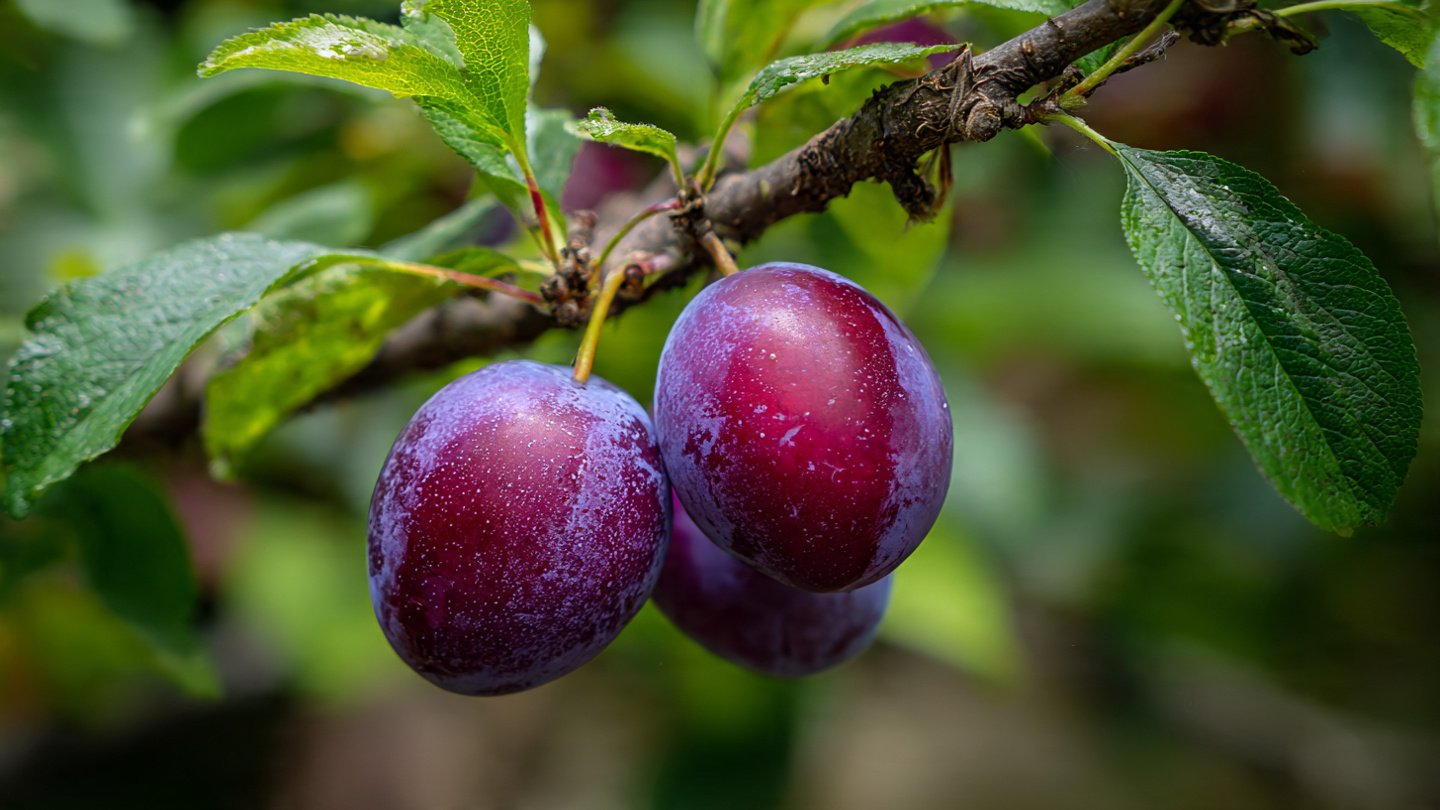
Growing a plum tree in your backyard may sound like a project reserved for experienced gardeners or those with access to a greenhouse, but the truth is far more encouraging. Plum trees are hardy, adaptable, and surprisingly beginner-friendly. With the right approach, you can successfully grow a productive plum tree outdoors using simple tools, basic care, and a little patience. This guide will walk you step by step through everything beginners need to know to grow a backyard plum tree without a greenhouse.
Why Plum Trees Are Ideal for Beginners
Plum trees are an excellent choice for first-time fruit growers. They adapt well to a range of climates, establish quickly, and begin producing fruit faster than many other fruit trees. Most varieties are self-reliant, and once established, they require minimal maintenance compared to more delicate fruit crops.
Another advantage is that plum trees thrive in open backyard conditions. They do not need the controlled temperature or humidity of a greenhouse, making them perfect for gardeners who want natural, low-cost cultivation.
Choosing the Right Plum Variety
Selecting the right plum variety is one of the most important decisions you will make.
- Choose a variety suited to your local climate
- Look for disease-resistant cultivars
- Beginners should consider hardy, low-maintenance types
If you live in a warmer region, Japanese-type plums grow well, while European plums are better suited for cooler climates. Many nursery labels indicate chill-hour requirements, which help ensure proper flowering and fruiting.
Selecting the Perfect Backyard Location
Plum trees thrive when planted in the right spot.
Sunlight Requirements
- At least 6–8 hours of direct sunlight daily
- Morning sun is especially beneficial
- Avoid heavily shaded areas
Space and Airflow
- Leave enough space for full canopy growth
- Good airflow helps prevent fungal diseases
- Avoid planting too close to walls or fences
A sunny, open backyard location creates ideal conditions for strong growth and fruit development.
Preparing the Soil for Outdoor Planting
Healthy soil is the foundation of a successful plum tree.
- Well-draining soil is essential
- Slightly acidic to neutral pH is ideal
- Loamy soil enriched with organic matter works best
Before planting, loosen the soil at least 12–18 inches deep. Mix in compost or well-rotted manure to improve fertility and drainage. Avoid waterlogged areas, as plum trees dislike standing moisture around their roots.
Planting Your Plum Tree Step by Step
The best time to plant a plum tree is during the dormant season, usually late winter or early spring.
- Dig a hole twice as wide as the root ball
- Keep the hole depth equal to the root height
- Place the tree so the graft union stays above soil level
- Backfill with soil and gently firm it
- Water thoroughly to remove air pockets
Mulch around the base to retain moisture, but keep mulch away from the trunk to prevent rot.
Watering Without a Greenhouse
Outdoor plum trees rely on consistent watering, especially in the first two years.
- Water deeply once or twice a week
- Increase watering during dry spells
- Reduce watering during rainy periods
Young trees need moist soil to establish roots, but overwatering can cause root rot. Always check soil moisture before watering.
Feeding and Fertilizing Naturally
Plum trees do not require heavy feeding.
- Apply compost once or twice a year
- Use a balanced fertilizer in early spring
- Avoid excessive nitrogen, which promotes leaf growth over fruit
Organic fertilizers work well for beginners, as they release nutrients slowly and reduce the risk of overfeeding.
Pruning for Shape and Productivity
Pruning is essential for strong structure and fruit production.
When to Prune
- Late winter or early spring before new growth
- Remove dead, damaged, or crossing branches
Benefits of Pruning
- Improves sunlight penetration
- Enhances air circulation
- Encourages higher fruit yields
For beginners, focus on creating an open-center shape that allows light into the tree’s interior.
Protecting Your Plum Tree Naturally
Even without a greenhouse, you can protect your plum tree using simple methods.
Pest Control
- Inspect leaves regularly for insects
- Encourage beneficial insects
- Use neem oil or soap sprays if needed
Disease Prevention
- Avoid overhead watering
- Remove fallen leaves and fruit
- Ensure proper spacing for airflow
Good garden hygiene significantly reduces pest and disease issues.
Supporting Flowering and Fruit Development
Plum trees typically flower in early spring.
- Avoid late pruning that removes flower buds
- Protect blossoms from frost using cloth covers if needed
- Ensure consistent watering during flowering
Some plum varieties require cross-pollination, so planting a second compatible tree nearby can increase yields.
Harvesting Your Backyard Plums
Plums are ready to harvest when:
- Fruit has full color
- Flesh feels slightly soft
- Fruit detaches easily from the branch
Harvest gently to avoid bruising. Fresh plums can be eaten immediately or used for jams, desserts, and preserves.
Common Beginner Mistakes to Avoid
- Planting in poorly drained soil
- Overwatering young trees
- Skipping pruning entirely
- Expecting fruit in the first year
Most plum trees take 2–4 years to begin fruiting, so patience is essential.
Long-Term Care and Maintenance
Once established, plum trees are relatively low-maintenance.
- Annual pruning
- Seasonal compost application
- Occasional pest monitoring
With proper care, a plum tree can remain productive for decades, providing shade, beauty, and delicious fruit year after year.
Final Thoughts
Growing a backyard plum tree without a greenhouse is not only possible—it’s ideal for beginners. By choosing the right variety, planting in a sunny location, maintaining healthy soil, and practicing basic pruning and watering techniques, you can enjoy the satisfaction of harvesting fresh plums straight from your garden.
This natural, outdoor approach builds strong trees, saves money, and connects you with the rhythms of the seasons. With patience and consistency, your backyard plum tree will reward you with blossoms in spring and sweet, juicy fruit for many years to come.