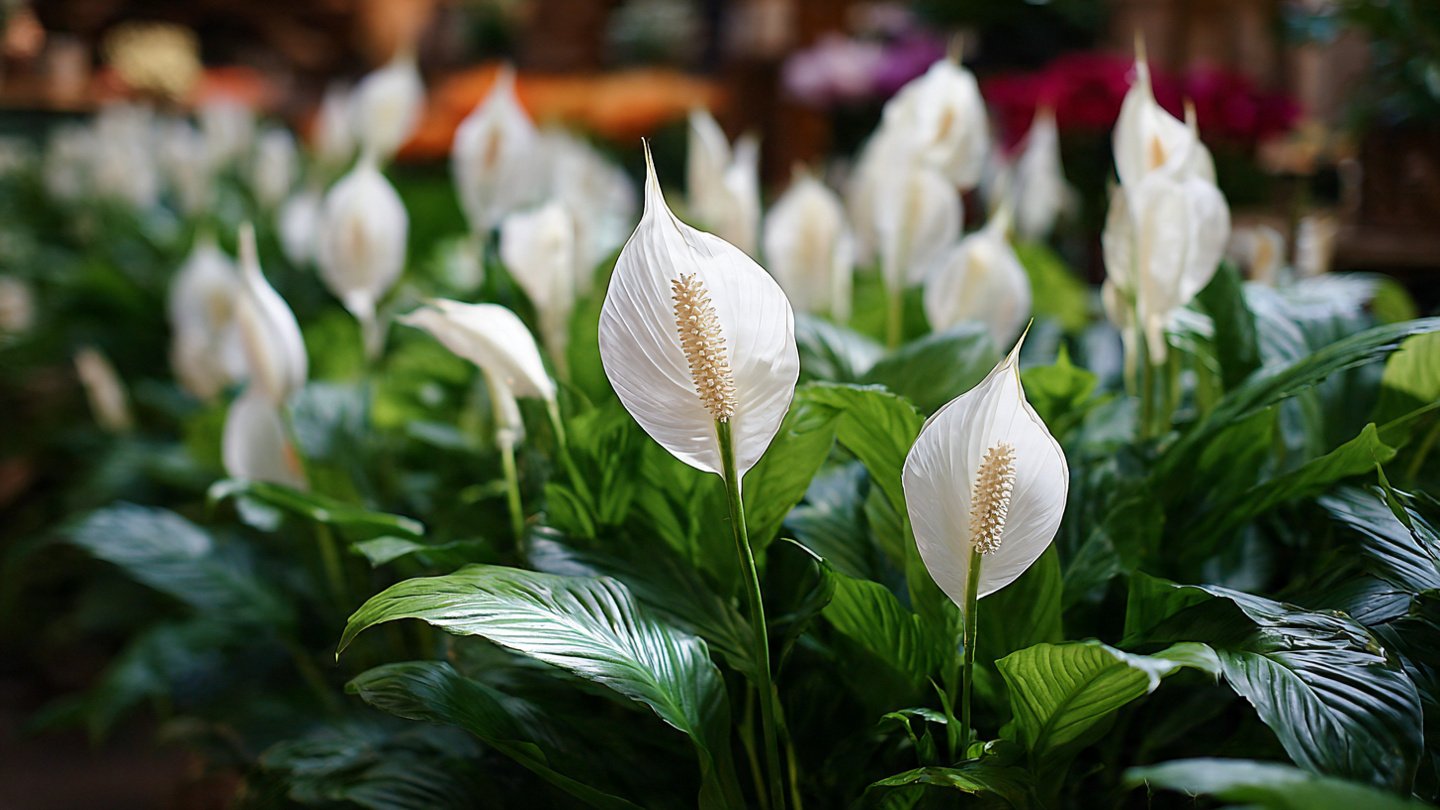
Indoor plants have become an essential part of modern living, adding beauty, freshness, and calm to our homes. Among the many houseplants available, the compact peace lily stands out for its graceful appearance, air-purifying qualities, and easy-care nature. Perfect for small apartments, offices, and low-light rooms, this plant is ideal for beginners and experienced plant lovers alike.
In this detailed guide, you’ll learn how to successfully cultivate a compact peace lily indoors, from choosing the right location to watering, feeding, and encouraging beautiful blooms—all with simple, practical steps.
Understanding the Compact Peace Lily
The compact peace lily is a smaller-growing variety of the classic peace lily, bred specifically for indoor spaces where size matters. It features deep green, glossy leaves and elegant white spathes that rise above the foliage, creating a clean and calming look.
Unlike larger varieties, compact peace lilies grow slowly and remain manageable, making them perfect for tabletops, shelves, office desks, and bedroom corners.
Why Choose a Compact Peace Lily for Indoors?
There are many reasons why this plant is a favorite for indoor environments:
- Thrives in low to moderate light
- Requires minimal maintenance
- Improves indoor air quality
- Fits easily into small spaces
- Signals watering needs clearly
- Adds a touch of elegance year-round
Its forgiving nature makes it an excellent choice for people who may forget occasional watering or are new to houseplants.
Choosing the Right Location
Light is one of the most important factors for growing a healthy compact peace lily.
Ideal Light Conditions
Peace lilies prefer bright, indirect light. A spot near a window with filtered sunlight works best. They can also tolerate low-light conditions, although flowering may reduce in very dim areas.
Avoid placing the plant in direct sunlight, as harsh rays can scorch the leaves and cause browning.
Temperature and Airflow
Compact peace lilies thrive in temperatures between 18°C and 27°C. Keep them away from cold drafts, air conditioners, heaters, or sudden temperature changes. Stable indoor conditions encourage steady growth and flowering.
Potting and Soil Requirements
Choosing the Right Pot
Select a pot with drainage holes to prevent water from accumulating at the bottom. Compact peace lilies prefer slightly snug pots, which help support flowering rather than excessive leaf growth.
Best Soil Mix
Use a well-draining, airy potting mix. A combination of garden soil, cocopeat, and compost works well. The soil should retain moisture without becoming soggy, as waterlogged roots can lead to rot.
Watering the Right Way
One of the most appealing features of peace lilies is their ability to communicate when they need water.
How Often to Water
Water when the top inch of soil feels dry. Compact peace lilies enjoy evenly moist soil but dislike sitting in water. Overwatering is a common mistake, so always check soil moisture before watering.
Recognizing Thirst Signals
Drooping leaves are a clear sign the plant needs water. After watering, the plant usually perks up within a few hours—a satisfying reward for plant parents.
Use room-temperature water and avoid chlorinated water if possible.
Feeding for Healthy Growth and Blooms
Compact peace lilies are not heavy feeders, but occasional nutrition helps maintain lush foliage and promote flowering.
- Feed once every 4–6 weeks during the growing season (spring and summer)
- Use a balanced liquid houseplant fertilizer diluted to half strength
- Avoid overfeeding, as excess fertilizer can damage roots and reduce flowering
During winter, feeding can be reduced or stopped entirely.
Encouraging Blooms Indoors
While peace lilies are admired for their leaves, their white blooms are the highlight. To encourage flowering:
- Provide bright, indirect light
- Keep the plant slightly root-bound
- Maintain consistent watering
- Feed lightly during active growth
Stress from poor lighting or irregular watering is often the reason peace lilies fail to bloom.
Cleaning and General Maintenance
Dust can settle on peace lily leaves, blocking light absorption. Wipe the leaves gently with a damp cloth every few weeks to keep them clean and glossy.
Remove yellow or damaged leaves by cutting them at the base. This keeps the plant looking neat and directs energy toward new growth.
Repotting the Compact Peace Lily
Compact peace lilies don’t require frequent repotting. Usually, repotting every 1.5 to 2 years is sufficient.
Signs it’s time to repot include:
- Roots growing out of drainage holes
- Water draining too quickly
- Slower growth despite proper care
Choose a pot only one size larger to avoid excess moisture retention.
Common Problems and Easy Solutions
Yellow Leaves
Often caused by overwatering or poor drainage. Reduce watering and ensure the pot drains well.
Brown Leaf Tips
Usually due to low humidity or chemicals in tap water. Increase humidity and use filtered water if possible.
No Flowers
Typically caused by low light or overfeeding. Move the plant to a brighter spot and reduce fertilizer.
Drooping Even After Watering
May indicate root rot. Check roots and repot into fresh, well-draining soil if needed.
Benefits of Growing a Compact Peace Lily Indoors
- Enhances indoor aesthetics
- Improves air quality
- Promotes relaxation and mental well-being
- Requires minimal space
- Ideal for homes, offices, and bedrooms
Its calming presence makes it one of the best plants for creating a peaceful indoor environment.
Final Thoughts
Cultivating a compact peace lily indoors is both simple and rewarding. With the right balance of light, water, and care, this elegant plant will thrive for years, offering lush green foliage and graceful white blooms. Its adaptability and clear care signals make it an excellent companion for anyone looking to add greenery to their living space without stress.
Once you understand its basic needs, the compact peace lily becomes one of the easiest and most satisfying houseplants to grow—bringing beauty, freshness, and tranquility into your home every day.