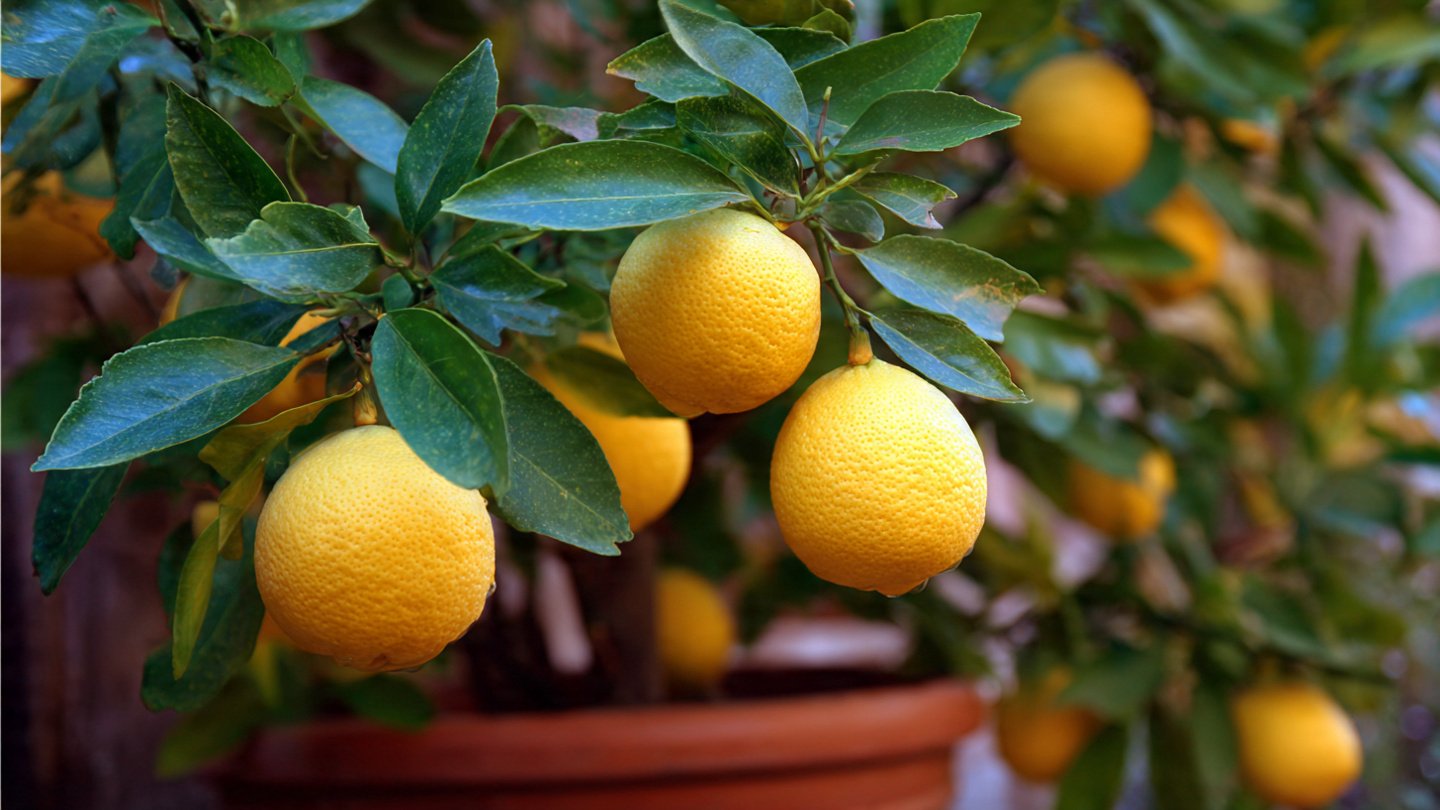
Growing citrus trees in pots is a smart and rewarding option for gardeners with limited space. Whether you are cultivating lemon, lime, orange, or mandarin trees on a balcony, terrace, or patio, container growing allows you to control soil quality, watering, and sunlight more effectively. However, one essential practice determines how healthy and productive your potted citrus tree will be: proper pruning.
Pruning citrus trees in pots is not just about shaping the plant—it directly affects airflow, light penetration, disease prevention, and fruit production. When done correctly, pruning encourages strong branches, manageable size, and consistent harvests. This detailed guide explains when, why, and how to prune potted citrus trees for optimal growth and maximum yield.
Why Pruning Is Essential for Potted Citrus Trees
Citrus trees grown in containers have limited root space compared to those planted in the ground. This restriction makes balanced top growth even more important. Without pruning, potted citrus trees can become leggy, overcrowded, and less productive.
Proper pruning helps to:
- Control plant size and shape
- Improve sunlight exposure to inner branches
- Increase airflow and reduce fungal diseases
- Direct energy toward healthy growth and fruiting
- Remove weak, damaged, or unproductive branches
A well-pruned citrus tree uses its energy efficiently, resulting in stronger growth and better-quality fruit.
Understanding the Growth Habit of Citrus Trees
Before pruning, it is important to understand how citrus trees grow. Citrus trees naturally form a rounded canopy with a central framework of strong branches. Fruits typically develop on new growth that emerges from mature wood.
This means excessive or poorly timed pruning can reduce fruiting temporarily. The goal is to remove unnecessary growth while preserving healthy branches that will support future harvests.
Best Time to Prune Citrus Trees in Pots
Timing plays a crucial role in successful pruning. The best time to prune potted citrus trees is after harvesting and before the next major growth flush.
Ideal pruning periods:
- Late winter to early spring (before new growth starts)
- Immediately after fruit harvest
Avoid heavy pruning during flowering or fruit-setting stages, as this can reduce yield. Light maintenance pruning, such as removing dead or damaged branches, can be done at any time of the year.
Tools You Need for Pruning
Using clean, sharp tools ensures precise cuts and reduces the risk of disease. Essential tools include:
- Sharp pruning shears for small branches
- Loppers for thicker branches
- Clean cloth and rubbing alcohol for sterilizing tools
Always disinfect tools before and after pruning each plant to prevent the spread of pests or fungal infections.
Step-by-Step Guide to Pruning Potted Citrus Trees
1. Remove Dead and Diseased Branches
Start by cutting away any dead, dry, or diseased branches. These parts drain energy from the tree and can harbor pests. Make clean cuts close to the base without damaging healthy tissue.
2. Eliminate Weak and Crossing Branches
Thin out weak, spindly branches that are unlikely to support fruit. Also remove branches that cross or rub against each other, as they can cause wounds and invite disease.
3. Control Height and Spread
Potted citrus trees should remain compact. Trim overly long branches to maintain a balanced shape. Focus on reducing height slightly rather than cutting back too much at once.
4. Open the Center for Airflow
A slightly open canopy allows sunlight and air to reach the inner parts of the tree. This reduces humidity buildup and lowers the risk of fungal diseases.
5. Remove Suckers and Water Sprouts
Suckers grow from the base of the tree or below the graft union and do not produce quality fruit. Water sprouts are fast-growing vertical shoots that consume energy. Remove both promptly.
How Much Should You Prune?
One common mistake is over-pruning. Citrus trees respond best when no more than 20–25% of the canopy is removed in a single session. Heavy pruning can stress the tree, slow growth, and reduce fruiting for the season.
If your tree is overgrown, spread pruning over two seasons rather than doing it all at once.
Pruning Young vs. Mature Potted Citrus Trees
Young trees:
Pruning should focus on shaping the structure. Encourage 3–5 strong main branches and remove weak growth early. This builds a sturdy framework for future fruiting.
Mature trees:
Pruning should prioritize maintenance, airflow, and fruit production. Remove old, unproductive wood and maintain a balanced canopy without drastically altering the shape.
After-Pruning Care for Potted Citrus Trees
Proper aftercare helps your citrus tree recover quickly and resume healthy growth.
Key aftercare tips:
- Water the plant thoroughly but avoid waterlogging
- Apply a light dose of organic fertilizer after 1–2 weeks
- Place the pot in bright sunlight to support new growth
- Monitor for pests, as new shoots are more vulnerable
Mulching the soil surface with compost or dry leaves helps retain moisture and improve soil health.
Common Pruning Mistakes to Avoid
- Pruning during flowering or heavy fruiting
- Cutting too close to the trunk or leaving long stubs
- Using dull or unclean tools
- Removing too much foliage at once
- Ignoring suckers and water sprouts
Avoiding these mistakes ensures steady growth and reliable harvests year after year.
Benefits of Regular Pruning in Containers
When pruning becomes part of your routine care, potted citrus trees reward you with:
- Compact, manageable growth
- Healthier leaves and branches
- Better fruit size and quality
- Increased resistance to pests and diseases
Regular pruning also makes it easier to move pots, manage watering, and provide uniform sunlight exposure.
Final Thoughts
Pruning citrus trees in pots is a powerful yet simple technique that directly influences plant health and fruit production. By pruning at the right time, using proper tools, and focusing on balance rather than heavy cutting, you can keep your citrus trees productive and beautiful for many years.