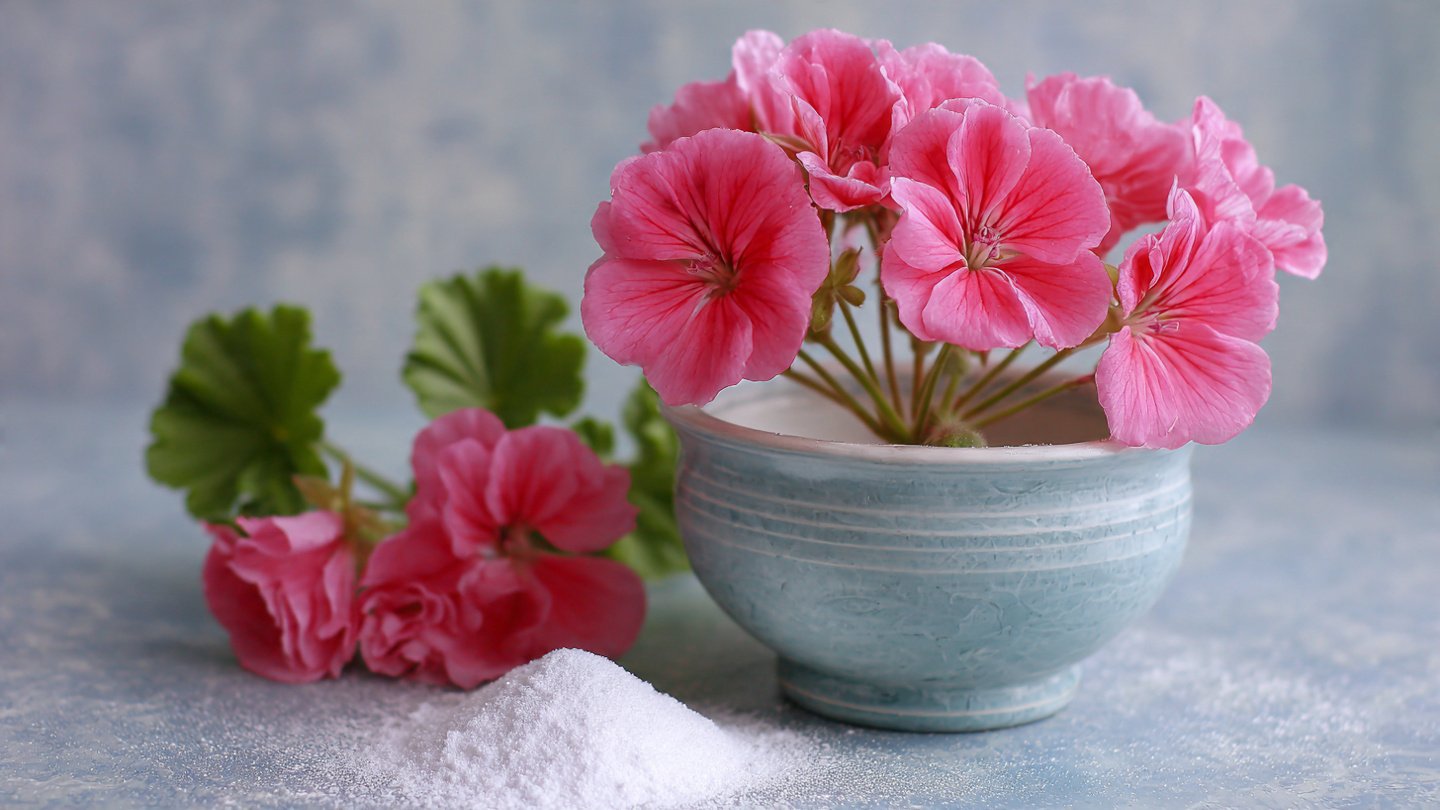
Geraniums are among the most popular flowering plants for gardens, patios, and balconies. Their vibrant blooms, variety of colors, and ease of care make them a favorite for gardeners worldwide. However, many gardeners struggle with geraniums that produce fewer flowers than expected. If you’ve noticed that your plants are thriving in foliage but not flowering abundantly, a surprising solution may be sitting in your kitchen: baking soda.
Using baking soda as a natural booster can help geraniums produce more blooms by balancing soil pH, encouraging better nutrient absorption, and creating ideal conditions for flowering. In this guide, we’ll explore how baking soda works, how to apply it safely, and other tips to maximize your geranium blooms.
Understanding Why Geraniums Sometimes Fail to Bloom
Before diving into the baking soda method, it’s important to understand why geraniums may underperform in flower production:
- Soil pH Imbalance – Geraniums prefer slightly acidic to neutral soil (pH 6.0–7.0). Too acidic or too alkaline soil can hinder nutrient uptake, affecting flowering.
- Excess Nitrogen – Too much nitrogen promotes leafy growth at the expense of blooms.
- Insufficient Sunlight – Geraniums need at least 6 hours of sunlight per day for optimal flower production.
- Improper Watering – Both overwatering and underwatering can stress plants and reduce flowering.
- Lack of Fertilizer or Imbalanced Nutrients – While geraniums are hardy, they benefit from phosphorus and potassium for flower development.
Baking soda can address soil pH issues, one of the most common causes of poor flowering.
How Baking Soda Helps Geraniums Bloom
Baking soda, or sodium bicarbonate, has several gardening benefits:
- pH Adjustment – Baking soda can neutralize slightly acidic soils, bringing them closer to the ideal range for geraniums. Healthy soil pH allows roots to absorb nutrients more efficiently.
- Fungal Control – Baking soda has mild antifungal properties, reducing the risk of leaf and root diseases that can weaken the plant and inhibit flowering.
- Nutrient Availability – By creating favorable soil conditions, baking soda helps plants access essential nutrients like phosphorus, which promotes flower development.
When used in moderation, baking soda is a safe, inexpensive, and eco-friendly way to boost geranium blooms.
Step-by-Step Guide: Using Baking Soda for More Blooms
Step 1: Test Soil pH
Before applying baking soda, test your soil to determine its acidity:
- Use a simple home pH test kit or soil testing strips.
- Geraniums thrive in slightly acidic to neutral soil (pH 6.0–7.0).
- If your soil is too acidic (below pH 6.0), baking soda can help raise the pH slightly.
Step 2: Prepare a Baking Soda Solution
For a safe foliar spray or soil application:
- Foliar spray: Mix 1 teaspoon of baking soda in 1 quart of water. Add a few drops of mild dish soap to help it adhere to leaves.
- Soil amendment: Mix 1 tablespoon of baking soda per gallon of water and pour around the base of the plant. Avoid overuse, as excess sodium can harm roots.
Step 3: Apply Properly
- Foliar spray: Spray the mixture on leaves and flowers once every two weeks during the growing season. Early morning or late afternoon is ideal to prevent leaf burn.
- Soil application: Pour the diluted solution evenly around the base of your geranium, keeping it slightly away from the crown to avoid root damage.
Step 4: Monitor Your Plants
After a few weeks of regular application, watch for signs of improvement:
- More vibrant blooms and increased flower count.
- Healthy, dark green foliage.
- Reduced signs of leaf spot or fungal infections.
Additional Tips for Abundant Geranium Blooms
While baking soda can improve flowering, combining it with other care techniques ensures maximum results:
1. Proper Sunlight
- Provide at least 6–8 hours of sunlight daily.
- In hot climates, morning sun and afternoon shade can prevent scorching.
2. Balanced Fertilization
- Use fertilizers high in phosphorus and potassium rather than nitrogen-heavy formulas.
- A 10:30:20 or similar bloom-focused fertilizer promotes flower production.
3. Pruning and Deadheading
- Remove spent flowers (deadheading) to encourage new blooms.
- Lightly trim leggy stems to stimulate growth and flowering.
4. Watering Carefully
- Water deeply when the top inch of soil feels dry.
- Avoid waterlogged soil to prevent root rot, which can reduce blooms.
5. Potting and Soil Choice
- Ensure your geraniums are in well-draining soil, whether in pots or garden beds.
- Adding perlite or sand can improve drainage for container plants.
Common Mistakes to Avoid
- Overusing Baking Soda – Excess sodium can damage roots and leaves. Stick to recommended amounts.
- Relying Solely on Baking Soda – While it helps, proper sunlight, watering, and pruning are equally essential.
- Spraying in Direct Sunlight – Baking soda solution can burn leaves if applied under strong afternoon sun.
- Ignoring Soil Testing – Without knowing your soil’s pH, you may overcorrect and harm the plant.
Benefits Beyond Blooming
Using baking soda carefully provides secondary benefits for geraniums:
- Reduces minor fungal infections, such as powdery mildew.
- Improves soil structure slightly over time when combined with compost.
- Encourages overall plant vigor, making geraniums more resistant to pests and environmental stress.
The result is not only more flowers but healthier, more resilient plants that can thrive for multiple growing seasons.
Conclusion
Geraniums are beloved for their bright, cheerful blooms, but achieving abundant flowering requires more than just planting seeds or buying nursery plants. Baking soda offers a simple, cost-effective way to improve soil pH, boost nutrient uptake, and create conditions that favor prolific blooming.
Combined with proper sunlight, balanced fertilization, careful watering, and regular pruning, this humble kitchen ingredient can make a remarkable difference. Gardeners who follow these steps often notice faster growth, healthier foliage, and a surge of vibrant flowers that transform patios, balconies, and garden beds.
With consistent care and a sprinkle of baking soda, your geraniums can reach their full flowering potential — giving you a long season of stunning, colorful blooms.