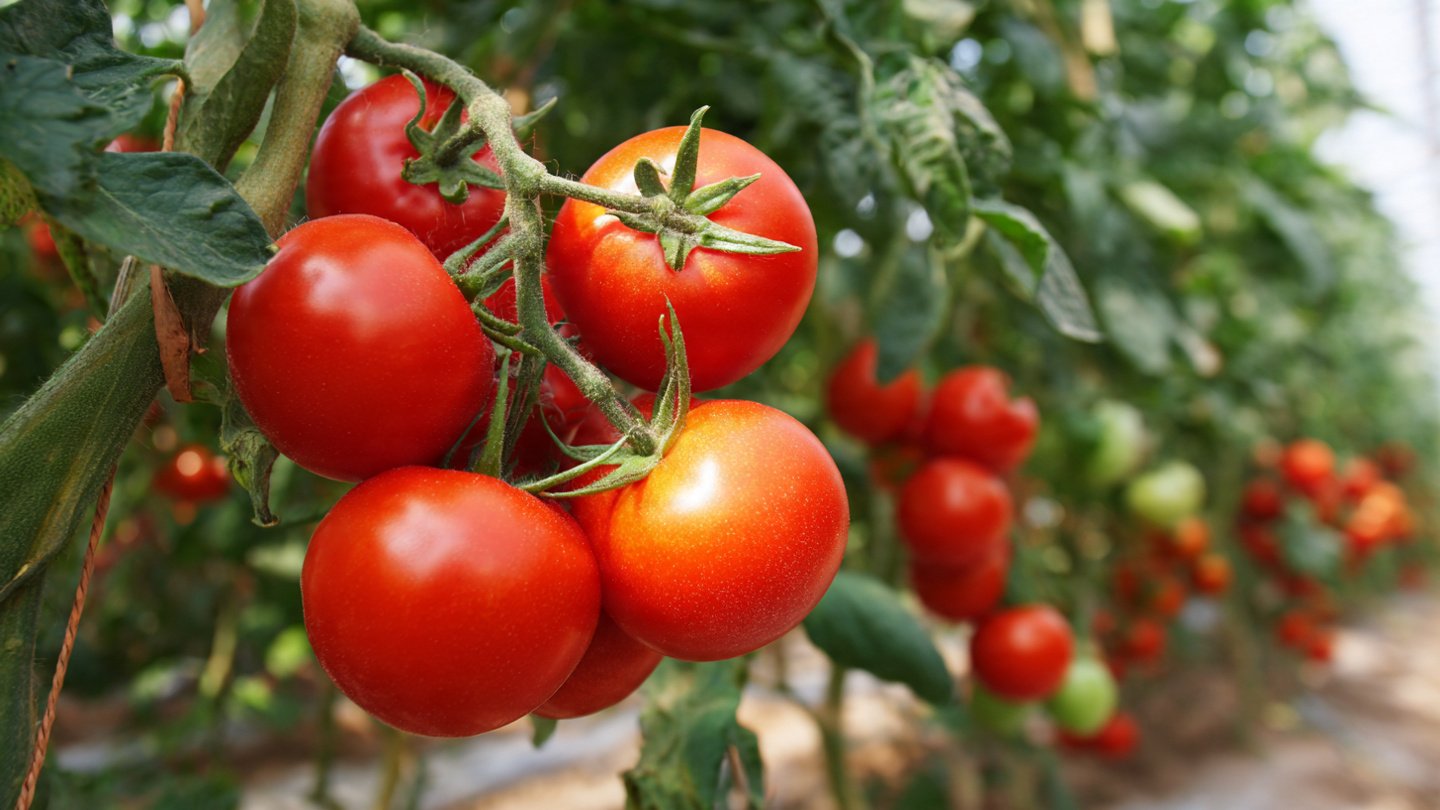
Tomatoes are one of the most popular and versatile crops for home gardeners. Bursting with flavor and packed with nutrients, homegrown tomatoes are far superior to store-bought varieties in taste and quality. While growing tomatoes may seem daunting, it can be surprisingly simple with the right techniques. This guide will walk you through everything you need to know to grow tomatoes easily at home, from planting to harvesting, and ensure high yields with healthy plants.
Why Grow Tomatoes at Home?
Growing tomatoes at home comes with multiple benefits:
- Superior Taste: Homegrown tomatoes have richer flavor and texture than commercially grown ones.
- Nutritional Value: Fresh tomatoes are packed with vitamins A, C, and K, antioxidants like lycopene, and dietary fiber.
- Variety Choices: You can grow heirloom, cherry, or specialty tomatoes not commonly available in stores.
- Cost Savings: Growing your own tomatoes can save money, especially if you enjoy them frequently.
- Gardening Satisfaction: Nurturing a plant from seed to harvest is rewarding and educational.
With a bit of planning and care, even beginners can enjoy a bountiful tomato harvest.
Choosing the Right Tomato Variety
The first step to success is selecting the right tomato variety for your growing space and climate. There are two main types:
- Determinate Tomatoes (Bush Varieties):
- Grow to a certain height and stop, producing all their fruit within a short period.
- Suitable for container gardening or small spaces.
- Examples: ‘Roma’, ‘Celebrity’, ‘Patio Princess’.
- Indeterminate Tomatoes (Vining Varieties):
- Continue growing and producing fruit throughout the season.
- Require staking or trellising for support.
- Examples: ‘Beefsteak’, ‘Cherry’, ‘Brandywine’.
For beginners or small-space gardeners, determinate or cherry varieties are often the easiest to manage. For continuous harvests, indeterminate varieties are ideal if you have space and support systems.
Starting from Seeds or Seedlings
You can start tomatoes from seeds indoors or purchase healthy seedlings from a nursery.
Starting from Seeds:
- Sow seeds 6–8 weeks before the last expected frost.
- Use a seed-starting mix rather than garden soil.
- Plant seeds ¼ inch deep in small pots or trays.
- Keep soil moist and maintain a temperature of 70–80°F (21–27°C).
- Provide 12–16 hours of light daily, either from a sunny window or grow lights.
- Transplant seedlings outdoors after 6–8 weeks when they have 2–3 true leaves and temperatures are consistently above 60°F (15°C).
Buying Seedlings:
- Choose compact, healthy seedlings without yellowing leaves or damaged stems.
- Avoid plants that are already flowering; they may be stressed and produce less fruit.
Preparing the Planting Site
Tomatoes thrive in warm, sunny conditions. Follow these tips to prepare your planting site:
- Sunlight: Ensure 6–8 hours of direct sunlight daily.
- Soil: Use well-draining, loamy soil enriched with compost or organic matter. Ideal soil pH is 6.0–6.8.
- Space: Leave 18–24 inches between determinate varieties and 24–36 inches for indeterminate varieties. Proper spacing reduces disease risk and encourages airflow.
- Containers: Tomatoes can also grow in large containers (at least 5 gallons) with drainage holes.
Planting Tomatoes
Planting properly ensures strong root development and better yields:
- Deep Planting: Bury seedlings deeper than they were in their pots, leaving only the top few inches exposed. Tomatoes develop roots along buried stems, creating a stronger root system.
- Firm Soil: Gently press soil around the base to remove air pockets and provide stability.
- Watering: Water immediately after planting to settle the soil and reduce transplant shock.
Supporting Your Tomato Plants
Tomatoes, especially indeterminate varieties, need support as they grow:
- Stakes: Insert a sturdy stake 12 inches deep near the base of the plant and tie the main stem loosely with garden twine.
- Cages: Wire tomato cages offer all-around support, ideal for bush varieties or small spaces.
- Trellises: Vertical trellises help save space and improve air circulation, reducing disease risk.
Proper support prevents stems from breaking under the weight of heavy fruit and keeps fruit off the ground.
Watering and Mulching
Consistent watering is essential for healthy tomato growth:
- Deep Watering: Water slowly and deeply 2–3 times per week, depending on weather and soil type.
- Avoid Overhead Watering: Wet leaves promote fungal diseases. Use drip irrigation or water at the base.
- Mulch: Apply 2–3 inches of straw, leaves, or compost around the base. Mulch helps retain moisture, suppress weeds, and prevent soil-borne diseases from splashing onto leaves.
Fertilizing for High Yields
Tomatoes are heavy feeders. Proper fertilization supports lush growth and abundant fruit:
- Before Planting: Mix compost or well-rotted manure into the soil.
- During Growth: Use a balanced fertilizer (10-10-10) during early growth.
- Flowering and Fruit Set: Switch to a fertilizer higher in phosphorus and potassium to support flower development and fruiting.
- Avoid Excess Nitrogen: Too much nitrogen encourages leafy growth at the expense of fruit.
Foliar sprays or liquid fertilizers can provide a quick nutrient boost during flowering.
Pruning and Care
Pruning and plant care improve airflow, reduce disease, and maximize yields:
- Remove Suckers: Indeterminate varieties produce lateral shoots (suckers) between the main stem and leaf nodes. Remove these to focus energy on fruit production.
- Leaf Management: Remove yellowing or diseased leaves promptly.
- Check for Pests: Common pests include aphids, whiteflies, and tomato hornworms. Hand-pick pests or use organic sprays like neem oil.
Pollination
Tomatoes are self-pollinating, but better fruit set can be achieved with gentle assistance:
- Manual Pollination: Lightly shake flowers or use an electric toothbrush near the blossoms to mimic buzzing bees.
- Attract Pollinators: Plant flowers nearby to attract bees, which improves pollination and yield.
Harvesting Tomatoes
Timing is critical to get flavorful, juicy tomatoes:
- Color: Look for a full, uniform color—red, yellow, orange, or pink depending on variety.
- Firmness: Gently squeeze; ripe tomatoes yield slightly under pressure but aren’t mushy.
- Separation from Vine: Twist or cut fruit from the stem to avoid damaging the plant.
For continuous harvest, pick fruits as soon as they ripen. This encourages the plant to produce more flowers and fruit.
Storing Tomatoes
- Room Temperature: Store unripe or just-ripe tomatoes at room temperature away from direct sunlight.
- Refrigeration: Only refrigerate fully ripe tomatoes if necessary. Cold can affect flavor, so bring them back to room temperature before eating.
- Preserving: Excess tomatoes can be canned, made into sauces, or frozen to enjoy year-round.
Tips for Maximum Yield
- Consistent Care: Watering, feeding, and pruning regularly ensures healthy, productive plants.
- Choose the Right Variety: Select disease-resistant or compact varieties for your growing conditions.
- Rotate Crops: Avoid planting tomatoes in the same spot each year to reduce soil-borne diseases.
- Monitor for Pests and Diseases: Early intervention prevents major losses.
- Sunlight: Ensure plants receive 6–8 hours of direct sunlight daily for maximum photosynthesis and fruit production.
Growing Tomatoes in Containers
Container gardening is an excellent option for small spaces:
- Use large pots (minimum 5 gallons).
- Ensure proper drainage.
- Provide support with cages or stakes.
- Use high-quality potting soil mixed with compost.
- Water more frequently, as containers dry out faster than ground soil.
Container-grown tomatoes can be just as productive as those in a garden bed if cared for properly.
Fun Variations
- Cherry Tomatoes: Small, prolific fruits perfect for snacking and salads.
- Heirloom Varieties: Grow unique, colorful tomatoes with exceptional flavors.
- Greenhouse Gardening: Extend your growing season and protect plants from pests and adverse weather.
Final Thoughts
Growing tomatoes at home doesn’t have to be complicated. With careful variety selection, proper soil preparation, consistent care, and attention to watering, fertilizing, and pruning, anyone can enjoy a high-yield tomato harvest. Whether you have a spacious garden, a small patio, or even a balcony, tomatoes can thrive in your care and reward you with fresh, flavorful fruits throughout the growing season.
By following this guide, you can simplify tomato cultivation, reduce common pitfalls, and ensure that your homegrown tomatoes are healthy, abundant, and delicious. Homegrown tomatoes aren’t just food—they’re a celebration of your gardening effort, offering unmatched taste and satisfaction with every bite.