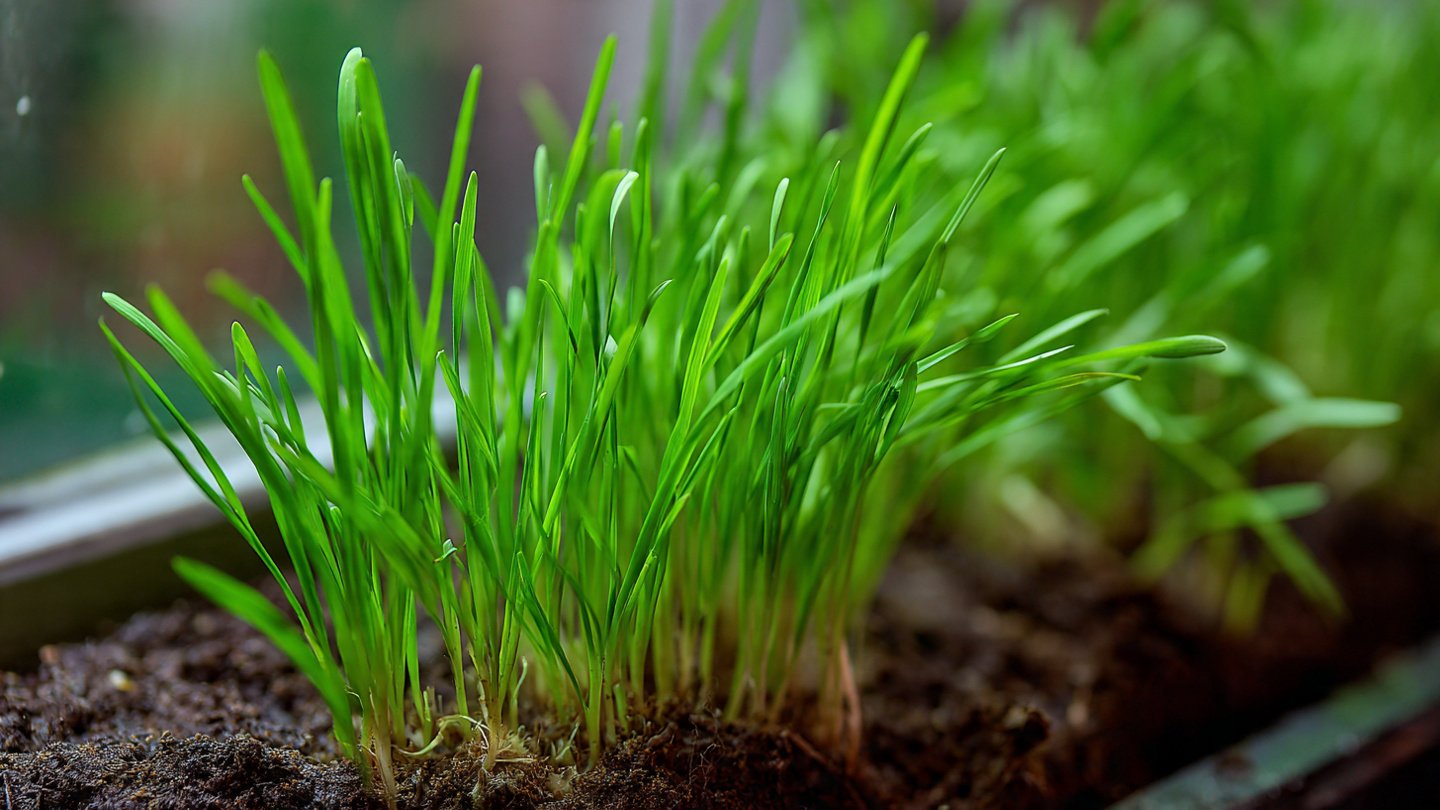
Wheatgrass (Triticum aestivum) has become increasingly popular among health enthusiasts for its concentrated nutrients, including vitamins A, C, and E, iron, magnesium, and antioxidants. Growing thick, lush wheatgrass shoots at home allows gardeners to enjoy fresh, nutrient-packed greens for smoothies, juices, or salads. Unlike many other microgreens, wheatgrass is relatively easy to grow, requires minimal space, and provides a quick harvest within 7–10 days.
This guide provides a step-by-step method to grow thick wheatgrass shoots, from selecting seeds to harvesting and caring for your nutrient-rich greens.
Why Grow Wheatgrass at Home?
Homegrown wheatgrass offers several benefits:
- Nutrient Density: Packed with vitamins, minerals, and enzymes that support digestion, immunity, and detoxification.
- Cost-Effective: Growing at home is far cheaper than buying prepackaged wheatgrass.
- Quick Growth: Ready to harvest within 7–10 days of sowing.
- Space Efficient: Perfect for small indoor spaces, balconies, or kitchen counters.
- Freshness: Homegrown wheatgrass retains flavor, color, and nutrients better than store-bought options.
Whether you are new to microgreens or a seasoned gardener, wheatgrass is a fast, rewarding crop.
Selecting Quality Wheatgrass Seeds
The foundation of thick, healthy wheatgrass shoots starts with high-quality seeds:
- Certified Organic Seeds: Ensure no pesticides or chemicals are used.
- Sprouting or Microgreen Seeds: These are specifically selected for high germination and nutritional content.
- Fresh Seeds: Older seeds may have reduced germination rates.
Avoid using wheat meant for baking, as it may have been treated and may not sprout properly.
Soaking Wheatgrass Seeds
Soaking seeds is a critical step for promoting thick growth:
- Place seeds in a bowl and cover with filtered water.
- Soak for 8–12 hours or overnight.
- Rinse seeds thoroughly and drain excess water.
Soaking softens the seed coat, accelerates germination, and ensures even, dense shoots. After soaking, seeds may begin to sprout tiny tails, which is a sign of readiness for planting.
Preparing Trays for Wheatgrass
Wheatgrass grows best in shallow trays with good drainage:
- Use a 1–2 inch deep tray filled with organic potting soil, coconut coir, or seed-starting mix.
- Moisten the medium lightly before planting, ensuring it is damp but not soggy.
- For thick shoots, provide enough seeds to cover the surface in a dense layer, but avoid excessive overlapping.
Trays can be reused for multiple batches if cleaned thoroughly between plantings.
Sowing Seeds for Thick Shoots
Proper sowing techniques encourage dense, healthy wheatgrass growth:
- Spread soaked seeds evenly across the tray.
- Lightly press seeds into the soil to ensure good contact.
- Cover seeds with a thin layer of soil or leave them on the surface for easier germination.
- Mist lightly with water to settle the seeds.
Dense sowing encourages multiple shoots from each seed, resulting in thick, nutrient-rich wheatgrass.
Germination and Early Care
Germination is a crucial stage for producing lush wheatgrass:
- Initial Darkness: Cover the tray with a lid or another tray for 2–3 days to mimic darkness and stimulate sprouting.
- Moisture: Mist the seeds 1–2 times daily to keep the medium damp but not waterlogged.
- Temperature: Maintain a warm environment of 65–75°F (18–24°C) for optimal germination.
After 2–3 days, seeds should sprout tiny green shoots. At this stage, remove the cover and place the tray in indirect sunlight or under LED grow lights.
Providing Light for Thick Growth
Light is essential for robust wheatgrass:
- Indirect Sunlight: Place trays near a bright window. Avoid direct harsh sunlight that can dry shoots quickly.
- Artificial Lighting: LED or fluorescent lights provide consistent light if natural sunlight is insufficient.
- Duration: Provide 10–12 hours of light per day to encourage thick, dark-green blades.
Consistent light ensures healthy chlorophyll development, which is key for nutrient-rich, thick shoots.
Watering and Moisture Management
Maintaining proper moisture is critical for dense wheatgrass growth:
- Mist daily with filtered water to keep soil evenly moist.
- Avoid overwatering, as this can cause mold or root rot.
- Use a tray underneath to catch excess water if necessary.
Moist soil promotes strong roots and thick blades, while maintaining good drainage prevents fungal issues.
Fertilization (Optional)
Wheatgrass grows well without fertilizer when using nutrient-rich soil, but for repeated crops in the same medium:
- Use a mild organic liquid fertilizer once or twice to maintain vigor.
- Avoid heavy feeding, as wheatgrass is sensitive and excess nutrients can damage shoots.
For home growers using fresh soil each batch, fertilization is usually unnecessary.
Harvesting Thick Wheatgrass
Wheatgrass is ready to harvest 7–10 days after sowing, when shoots reach 6–8 inches in height:
- Use sharp scissors to cut shoots just above the soil level.
- Rinse gently to remove soil particles.
- Use immediately in juices, smoothies, or salads for maximum nutrients.
Regular harvesting promotes healthy regrowth if growing in soil; some growers can harvest a second cut from the same tray, though the first crop is usually the most robust.
Preventing Common Problems
- Mold Growth: Ensure proper airflow and avoid waterlogged soil.
- Leggy Growth: Provide adequate light to prevent tall, thin shoots.
- Slow Germination: Use fresh, organic seeds and maintain consistent moisture and temperature.
- Browning or Weak Blades: Harvest at the right stage, avoid overwatering, and provide sufficient light.
Addressing these issues ensures dense, nutrient-rich wheatgrass every time.
Tips for Maximum Thickness
- Dense Sowing: Cover trays evenly with soaked seeds for thick shoots.
- Proper Light Exposure: Strong light prevents thin, weak blades.
- Consistent Moisture: Keep soil evenly damp without waterlogging.
- Regular Harvest: Cutting at the right height promotes dense regrowth in successive crops.
Following these tips ensures lush, thick wheatgrass suitable for juicing, blending, or garnishing meals.
Culinary and Health Uses
Wheatgrass can be enjoyed in various ways:
- Fresh Juice: Blend with water or fruits for a nutrient-packed drink.
- Smoothies: Add to green smoothies for vitamins and antioxidants.
- Salads: Use young shoots as a fresh, crunchy addition.
- Powdered Wheatgrass: Dry and grind for long-term storage and use in recipes.
Its high chlorophyll content and nutritional density make wheatgrass a superfood for daily consumption.
Final Thoughts
Growing thick wheatgrass shoots for a nutrient-packed garden is easy, space-efficient, and highly rewarding. By selecting high-quality seeds, soaking properly, maintaining consistent moisture, providing adequate light, and harvesting at the optimal stage, gardeners can enjoy lush, nutrient-rich wheatgrass year-round.
Whether grown in trays on a windowsill, balcony, or small indoor garden, wheatgrass is a simple yet powerful addition to a healthy lifestyle. With these methods, even beginner gardeners can cultivate thick, vibrant wheatgrass shoots that provide maximum nutrition and flavor.