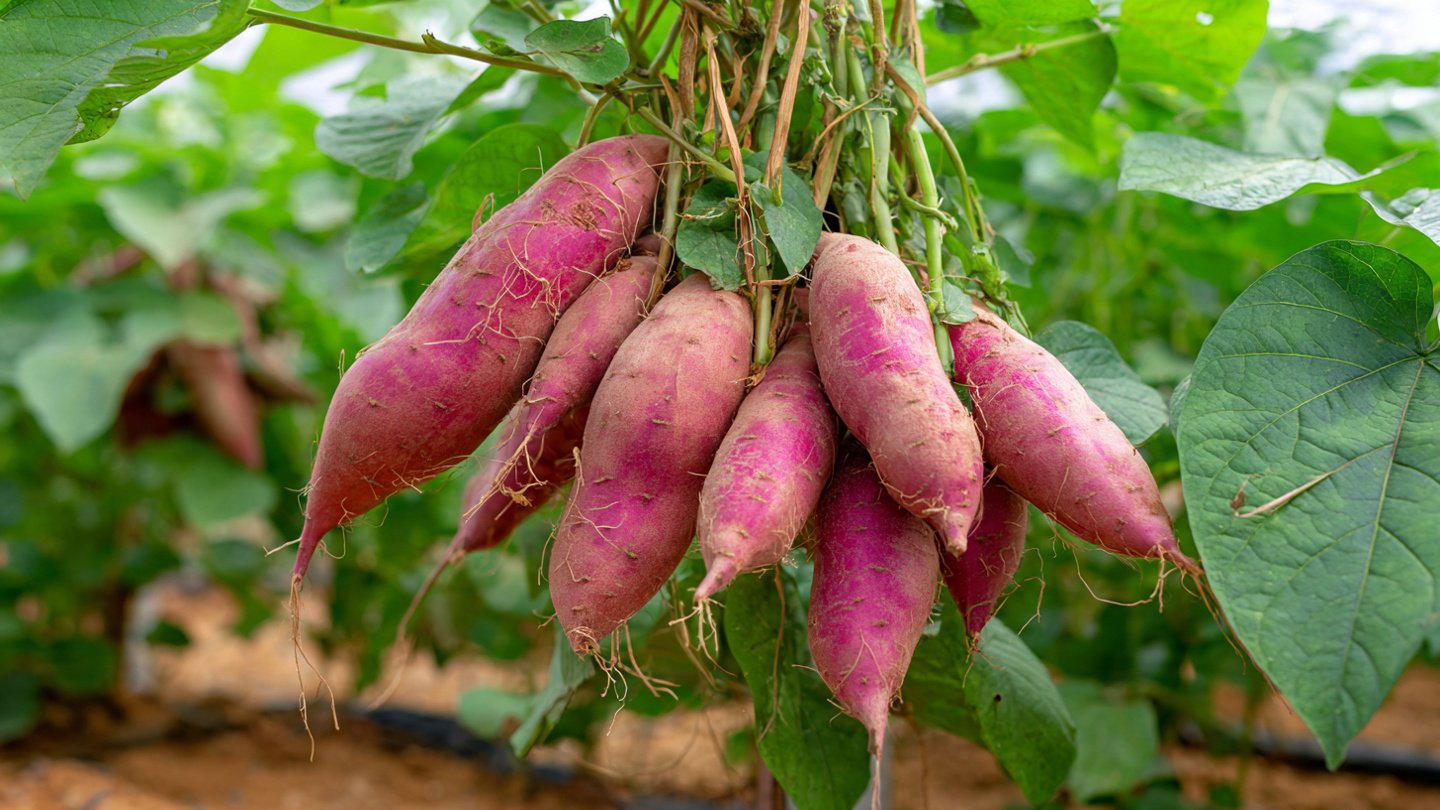
Sweet potatoes are a versatile, nutritious, and delicious root vegetable loved worldwide. Rich in vitamins, minerals, and fiber, they make a healthy addition to any diet. Traditionally, sweet potatoes are grown in large garden beds, but with limited space, you can still enjoy a bountiful harvest at home using grow bags. Grow bags are flexible containers made of fabric or plastic that allow for proper aeration, drainage, and root expansion, making them perfect for growing root crops like sweet potatoes.
This comprehensive guide will walk you through step-by-step instructions to grow sweet potatoes in grow bags successfully, ensuring big, healthy, and plentiful harvests.
Why Grow Sweet Potatoes in Grow Bags?
Growing sweet potatoes in grow bags offers several advantages over traditional soil beds:
- Space-Efficient – Ideal for balconies, patios, and small gardens.
- Better Drainage and Aeration – Promotes healthier roots and prevents waterlogging.
- Mobility – Easily move bags to optimal sunlight or protect from extreme weather.
- Pest Control – Reduced risk of soil-borne pests and diseases.
- High Yields – Proper care in grow bags can produce large, uniform sweet potatoes.
Even gardeners with minimal space can enjoy a successful sweet potato harvest using this method.
Step 1: Choosing the Right Sweet Potato Variety
Selecting the right variety is key for a successful harvest. Some varieties are better suited to container or grow bag cultivation:
- Beauregard: Popular, sweet, and easy to grow.
- Jewel: Large, orange-fleshed tubers, perfect for home gardens.
- Covington: Sweet, uniform, and high-yielding.
- Vardaman: Compact variety ideal for smaller containers.
Choose a variety based on your taste preferences, grow bag size, and local climate conditions.
Step 2: Preparing the Grow Bags
Grow bags come in different sizes, but for sweet potatoes, large bags of at least 20–30 liters are recommended.
Preparation Tips:
- Choose breathable fabric bags or sturdy plastic bags with drainage holes.
- Fill the bag with light, loose, and nutrient-rich soil. A good mix includes:
- 50% garden soil
- 25% compost or well-rotted manure
- 25% cocopeat or sand for aeration and drainage
- Leave 2–3 inches from the top to allow for watering and soil expansion.
Proper grow bag preparation ensures sweet potato roots have space to expand and access nutrients efficiently.
Step 3: Propagating Sweet Potato Slips
Sweet potatoes are grown from slips, which are shoots sprouted from a mature sweet potato.
How to prepare slips:
- Select a healthy sweet potato without blemishes.
- Place it in water or partially bury it in moist soil to sprout shoots.
- Once shoots reach 6–8 inches, carefully separate them from the tuber.
- Trim the leaves to reduce water loss and promote rooting.
Healthy slips are essential for establishing strong plants that produce large tubers.
Step 4: Planting Slips in Grow Bags
Planting Steps:
- Make a small hole in the prepared grow bag soil, about 2–3 inches deep.
- Insert the slip, ensuring roots are covered and leaves are above soil.
- Firm the soil gently around the slip to remove air pockets.
- Water lightly but thoroughly to settle the soil.
Plant multiple slips in larger grow bags, keeping 12–18 inches between plants to allow tubers room to grow.
Step 5: Sunlight and Temperature Requirements
Sweet potatoes thrive in warm, sunny conditions:
- Sunlight: At least 6–8 hours of direct sunlight daily.
- Temperature: Ideal growth occurs at 24–30°C (75–86°F). Avoid frost.
- Microclimate: Move grow bags to sheltered spots during extreme heat or cold.
Adequate sunlight and warmth encourage faster growth, larger leaves, and healthier tubers.
Step 6: Watering Sweet Potatoes
Proper watering is essential for high yields:
- Keep soil consistently moist but not waterlogged during early growth.
- Reduce watering slightly as tubers mature to improve sweetness and prevent rot.
- Water deeply once or twice a week rather than frequent shallow watering.
Mulching the grow bag surface with straw or dried leaves helps retain moisture and regulate temperature.
Step 7: Fertilization for Maximum Growth
Sweet potatoes are heavy feeders, especially during vine growth.
Fertilization Tips:
- Mix slow-release fertilizer into the soil at planting.
- Apply liquid fertilizer every 3–4 weeks to promote healthy vines and root formation.
- Avoid excessive nitrogen once tubers form; too much nitrogen encourages leaves at the expense of root growth.
- Phosphorus and potassium are essential for tuber development and sweetness.
Balanced nutrition in grow bags ensures large, healthy, and flavorful sweet potatoes.
Step 8: Supporting Vine Growth
Sweet potato vines can grow 6–10 feet if not managed.
- Provide trellises or stakes for vertical growth in smaller spaces.
- Allow some vines to trail along the soil surface to protect tubers from sunburn.
- Pinch off excessive vines if needed to redirect energy toward root development.
Proper vine management ensures a balance between foliage and tuber production.
Step 9: Pest and Disease Management
Sweet potatoes can be affected by pests like aphids, whiteflies, and weevils. Diseases include root rot and fungal infections.
Prevention Tips:
- Inspect plants regularly for pests.
- Use neem oil or organic insecticidal sprays as needed.
- Ensure good drainage and avoid overwatering to reduce fungal infections.
- Rotate crops in grow bags or replace soil after 2–3 years to prevent soil-borne diseases.
Healthy plants produce bigger, sweeter tubers with minimal damage.
Step 10: Harvesting Sweet Potatoes
Sweet potatoes are usually ready to harvest 90–120 days after planting, depending on variety:
- Look for yellowing or fading leaves as a sign of maturity.
- Gently dig into the soil to check tuber size.
- Use hands or a small fork to lift tubers carefully, avoiding bruising.
- Cure harvested tubers in a warm, dry spot for 1–2 weeks to enhance sweetness and storage life.
Regular harvests ensure you enjoy a steady supply of nutritious, flavorful sweet potatoes.
Step 11: Tips for Year-Round Cultivation
- Use staggered planting of slips for continuous harvests.
- Maintain soil fertility by adding compost or organic fertilizers regularly.
- Grow in a sunny balcony or garden corner with moveable grow bags to protect from extreme weather.
- Reuse grow bags after sterilizing soil or replacing old soil to prevent disease buildup.
With proper care, grow bag cultivation allows you to enjoy sweet potatoes throughout the year, even in limited spaces.
Common Mistakes to Avoid
- Using heavy, compacted soil that restricts tuber growth.
- Overwatering, which can cause rot and fungal diseases.
- Over-fertilizing with nitrogen once tubers form, reducing yields.
- Planting slips too close together, limiting root expansion.
- Ignoring sunlight requirements, leading to weak plants and poor tubers.
Avoiding these mistakes ensures a successful, high-yielding sweet potato crop in grow bags.
Conclusion
Growing sweet potatoes in grow bags is an excellent solution for gardeners with limited space or those who want a portable, manageable, and productive cultivation system. By selecting the right variety, preparing loose and nutrient-rich soil, managing water and nutrients carefully, and protecting plants from pests and diseases, you can enjoy big, healthy, and delicious sweet potato harvests at home.
From balcony gardening to small patios, grow bags make sweet potato cultivation accessible, efficient, and rewarding. With patience, attention, and the right techniques, you can have fresh, nutritious, homegrown sweet potatoes almost year-round.