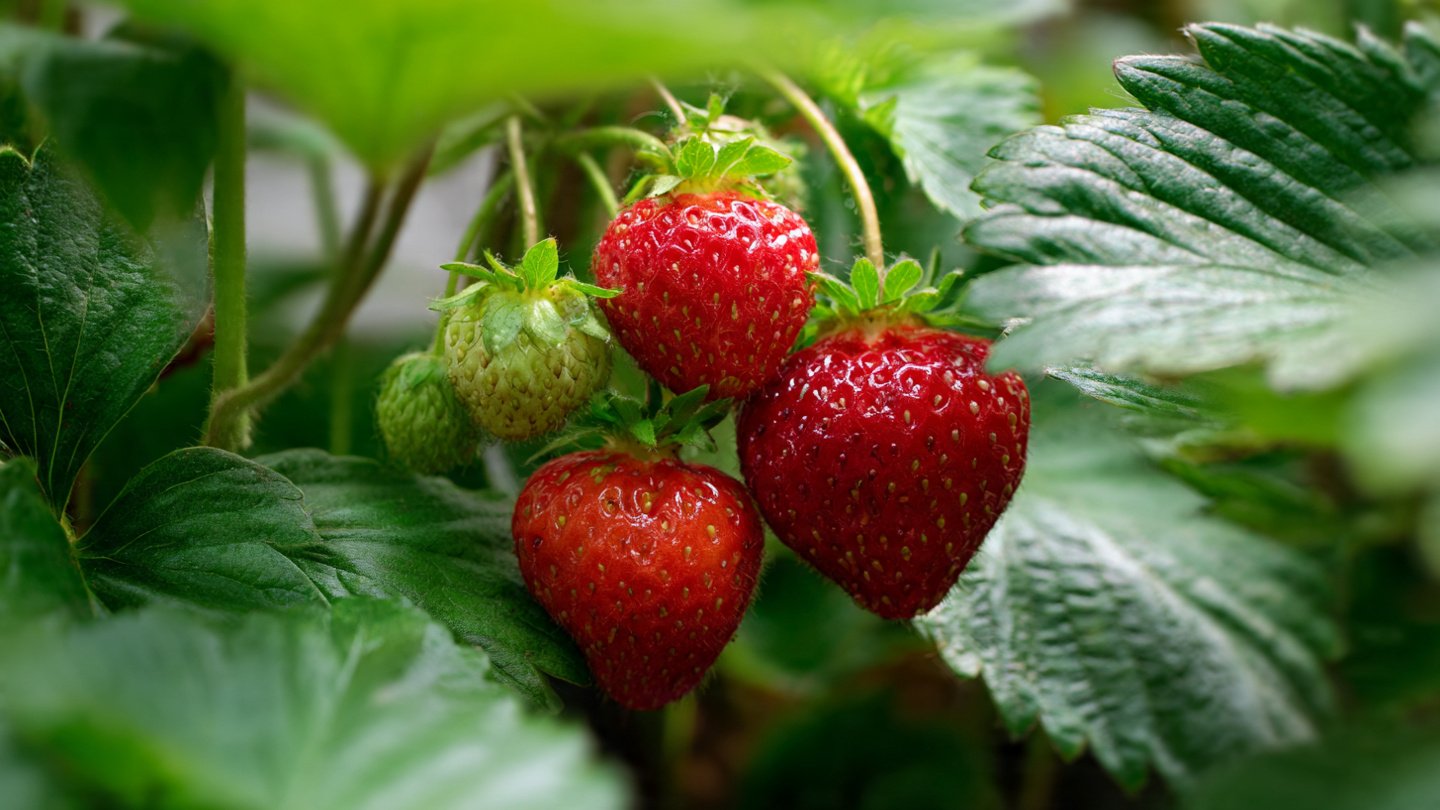
Strawberries are one of the most popular and rewarding fruits to grow at home. Sweet, juicy, and full of vitamins, they are perfect for fresh eating, desserts, and smoothies. Growing strawberries at home is not only satisfying but also allows you to enjoy chemical-free, flavorful fruit all season long. Whether you have a backyard garden, balcony, or even a small patio, strawberry plants can thrive with the right care and techniques.
This comprehensive guide will show you everything you need to know to grow strawberries at home, from selecting varieties to harvesting your first sweet berries.
Why Grow Strawberries at Home
Homegrown strawberries offer numerous benefits:
- Freshness and flavor: Store-bought strawberries are often picked before fully ripe, but homegrown berries can be harvested at peak sweetness.
- Control over chemicals: You decide whether to use organic methods, keeping your fruits free of pesticides and harmful chemicals.
- Cost-effective: Strawberry plants can produce fruit for several years, saving money on store-bought berries.
- Gardening enjoyment: Growing strawberries can be a fun and educational hobby for the entire family.
With these advantages, it’s easy to see why home strawberry cultivation has become increasingly popular worldwide.
Choosing the Right Strawberry Variety
Selecting the right strawberry variety is key to a successful harvest. There are three main types:
- June-bearing: Produce a large crop once a year, usually in late spring to early summer.
- Ever-bearing: Produce two to three smaller harvests throughout the season.
- Day-neutral: Fruit continuously during the growing season, regardless of day length.
For small spaces or containers, day-neutral and ever-bearing varieties are often preferred because they produce fruit over a longer period and can be managed easily.
Selecting Healthy Plants
Whether buying seedlings or starting from seeds, healthy plants are essential:
- Look for vibrant green leaves and firm roots.
- Avoid plants with yellowing leaves or signs of disease.
- If using seeds, ensure they are from a reputable source to guarantee strong growth and quality fruit.
Starting with healthy plants significantly increases your chances of a successful harvest.
Ideal Growing Conditions
Strawberries require specific conditions to grow well:
- Sunlight: 6–8 hours of direct sunlight daily. More sunlight means sweeter, juicier berries.
- Soil: Well-draining, fertile soil with a slightly acidic pH of 5.5–6.5. Add compost or well-rotted manure to improve fertility and structure.
- Water: Consistent moisture is crucial, but avoid waterlogged soil, which can cause root rot.
- Temperature: Strawberries prefer mild temperatures between 18°C and 24°C.
Providing optimal conditions ensures strong growth, abundant flowering, and high-quality fruit.
Preparing the Soil
Proper soil preparation is vital for healthy strawberry plants:
- Choose a raised bed, container, or garden plot with good drainage.
- Mix in compost or organic matter to enrich the soil.
- If needed, adjust soil pH with garden lime (to raise pH) or sulfur (to lower pH).
- Remove weeds and debris to prevent competition for nutrients.
A nutrient-rich, well-draining soil base is the foundation for vigorous strawberry growth.
Planting Strawberries
Strawberries can be planted in beds, containers, hanging baskets, or vertical planters.
Steps for planting in soil or raised beds:
- Dig holes large enough to accommodate the roots.
- Space plants 30–40 cm apart, allowing room for runners.
- Place the plant so the crown (the point where leaves meet roots) is just above soil level.
- Fill in soil around roots and water gently.
For container gardening, choose pots at least 20 cm deep and wide enough for root growth. Proper spacing ensures airflow and reduces disease risk.
Watering and Mulching
Strawberries need regular watering, especially during flowering and fruiting:
- Water deeply 2–3 times per week, adjusting for weather conditions.
- Avoid overhead watering to prevent fungal diseases.
- Mulch around the plants with straw, wood chips, or leaves to retain soil moisture, suppress weeds, and keep berries clean.
Consistent watering and mulching are key to healthy plants and bountiful fruit.
Fertilizing for Maximum Yield
Strawberries are moderate feeders. Fertilization supports strong growth, abundant flowers, and juicy fruit:
- Apply compost or well-rotted manure during planting.
- Use a balanced fertilizer during the growing season to promote vegetative growth.
- Switch to a phosphorus- and potassium-rich fertilizer during flowering and fruiting to boost berry size and sweetness.
Avoid over-fertilization with nitrogen during fruiting, as it promotes leaf growth at the expense of flowers and berries.
Caring for Strawberry Plants
Strawberries require ongoing maintenance:
- Pruning: Remove runners if you want bigger fruit on the main plant. Alternatively, allow some runners to create new plants for future harvests.
- Pest management: Watch for aphids, slugs, snails, and birds. Use organic sprays, barriers, or natural predators to protect your crop.
- Disease prevention: Avoid crowded planting and provide good airflow. Remove any diseased leaves promptly.
Regular care ensures continuous production and high-quality berries.
Harvesting Strawberries
Knowing when to harvest is crucial for flavor:
- Pick berries when they are fully colored (red, pink, or appropriate for the variety).
- Avoid harvesting too early, as unripe berries are sour and less flavorful.
- Gently twist or cut the berry, leaving the green calyx intact to prolong shelf life.
- Harvest every 2–3 days during peak season to encourage continuous fruiting.
Proper harvesting maximizes yield and ensures sweet, juicy strawberries.
Propagating Strawberries
Home gardeners can expand their strawberry patch by propagating plants from runners or leaf cuttings:
- Runners: Allow runners to root in soil while still attached to the parent plant. Once established, cut the runner from the main plant.
- Leaf cuttings: Some strawberry varieties can be propagated from leaves to produce new plants.
Propagation is an easy, cost-effective way to increase your harvest over time.
Container and Balcony Tips
For limited spaces or urban gardening:
- Use large pots, troughs, or vertical planters.
- Ensure containers have drainage holes to prevent waterlogging.
- Group plants closely but allow airflow to prevent disease.
- Rotate containers for even sunlight exposure.
Container-grown strawberries are just as productive when given the right care.
Seasonal Care
- Spring: Plant new strawberries and start fertilizing.
- Summer: Maintain watering, harvest fruit, and remove diseased leaves.
- Fall: Mulch heavily and prepare for winter.
- Winter: In colder regions, protect plants with frost covers or move containers indoors.
Seasonal management ensures longevity and continuous production for multiple years.
Final Thoughts
Growing strawberries at home is both rewarding and achievable. By selecting the right varieties, preparing fertile soil, maintaining proper watering and fertilization, and providing regular care, you can enjoy a sweet and abundant harvest. Whether in a backyard garden, balcony, or containers, homegrown strawberries offer unparalleled flavor, freshness, and satisfaction.
With attention to detail and a little patience, your strawberry plants will thrive, producing juicy berries for fresh eating, desserts, jams, and smoothies—bringing the joy of gardening straight to your home.
Growing strawberries at home isn’t just about the fruit; it’s about nurturing a living system, observing growth, and savoring the results of your care—a truly rewarding experience for gardeners of all levels.