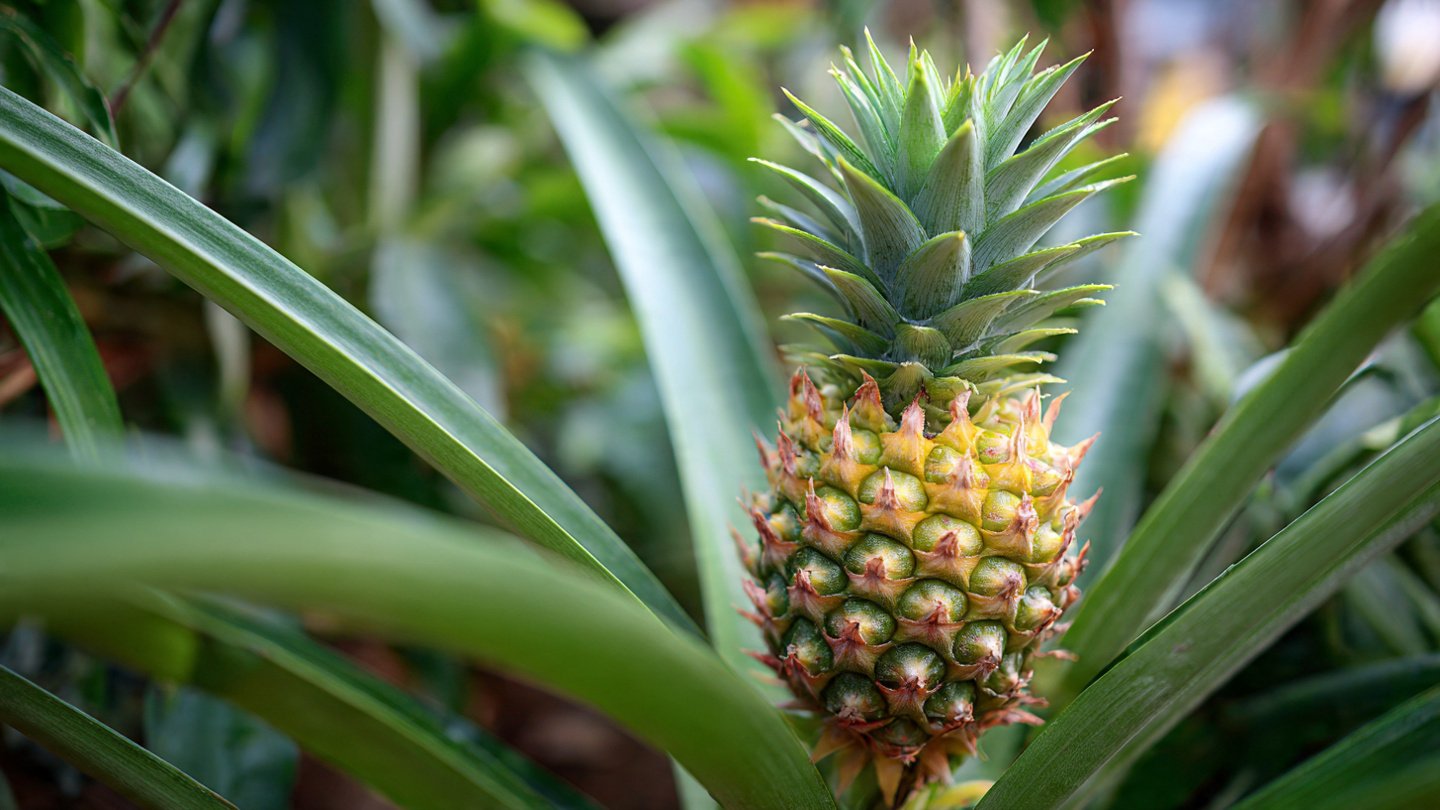
Growing your own pineapple at home is a rewarding and surprisingly simple gardening project. Instead of buying seeds or young plants, you can start a pineapple using the leafy crown from a store-bought fruit. With patience, proper care, and the right conditions, that leftover crown can eventually turn into a healthy plant and even produce fruit. This step-by-step guide will walk you through the entire process of successfully growing pineapple from a crown, from preparation to harvest.
Why Grow Pineapple from a Crown?
Pineapple plants are slow-growing but hardy and attractive, making them perfect for home gardeners, balcony gardeners, and indoor plant enthusiasts. Growing pineapple from a crown is cost-effective, beginner-friendly, and environmentally friendly since it reuses kitchen waste. It also allows you to enjoy the satisfaction of nurturing a tropical plant from start to finish.
Step 1: Choose the Right Pineapple
Success starts with selecting a healthy pineapple. Look for a fruit that is ripe, firm, and fragrant. The crown should be green, fresh, and free from brown spots, mold, or wilting leaves. Avoid pineapples with dry or damaged crowns, as they may not root properly.
Fresh, organic pineapples are often the best choice because they are less likely to be treated with growth inhibitors that prevent sprouting.
Step 2: Remove the Crown Properly
To remove the crown, firmly grasp the leafy top and twist it off from the fruit. If twisting doesn’t work, use a clean knife to cut off the crown, leaving about an inch of fruit attached. Carefully remove the excess fruit flesh, as leftover pulp can rot and damage the developing roots.
Next, peel away a few of the lower leaves to expose the base of the stem. You should see small brown bumps—these are root primordia that will develop into roots.
Step 3: Dry and Cure the Crown
Before planting, allow the crown to dry for two to three days in a shaded, well-ventilated area. This curing step helps prevent rot and fungal infections by allowing the cut surface to callus over. Skipping this step can reduce your chances of success, especially in humid climates.
Step 4: Rooting the Crown
There are two common methods for rooting a pineapple crown: water rooting and direct soil planting.
Water Method
Place the base of the crown in a glass of water, ensuring only the stem is submerged and not the leaves. Keep the glass in a warm, bright spot with indirect sunlight. Change the water every two to three days. Roots typically begin to appear within two to four weeks.
Soil Method
Alternatively, plant the crown directly into soil. This method reduces transplant shock later. Use well-draining soil and plant the crown deep enough to cover the exposed stem while keeping the leaves above the soil surface.
Both methods are effective, so choose the one that best suits your gardening style.
Step 5: Planting in Soil
Once roots are about two to three inches long (if water-rooted), it’s time to plant the crown in soil. Use a pot with drainage holes to prevent waterlogging. A loose, well-draining mix works best—combine garden soil, sand, and compost or coco peat.
Firm the soil gently around the base of the plant and water lightly. Avoid overwatering at this stage, as young roots are sensitive to excess moisture.
Step 6: Provide the Right Growing Conditions
Pineapple plants thrive in warm, sunny environments.
- Sunlight: Provide at least 6–8 hours of bright light daily. Outdoors, place the plant in full sun. Indoors, a sunny window or balcony is ideal.
- Temperature: Pineapples prefer temperatures between 20–32°C. Protect the plant from cold drafts and frost.
- Watering: Water moderately, allowing the topsoil to dry slightly between watering. Pineapples are drought-tolerant once established and dislike soggy soil.
- Humidity: Average humidity is sufficient, but occasional misting can help in very dry conditions.
Step 7: Feeding and Maintenance
Feed the plant every four to six weeks with a balanced liquid fertilizer or organic compost tea. Avoid excessive nitrogen, which promotes leaf growth but delays fruiting.
Remove dry or damaged leaves to keep the plant healthy and improve air circulation. Pineapple plants grow slowly, so don’t worry if progress seems minimal in the first few months.
Step 8: Patience and Growth Timeline
Growing pineapple from a crown requires patience. In the first year, the plant focuses on root and leaf development. Flowering usually occurs after 18–24 months, depending on growing conditions. Once flowering begins, it takes another five to six months for the fruit to mature.
Under ideal care, you can expect to harvest a single pineapple fruit. After fruiting, the main plant slowly declines but produces offsets (called slips or pups) that can be replanted to grow new pineapple plants.
Step 9: Harvesting Your Pineapple
Harvest the pineapple when it turns golden yellow and gives off a sweet aroma. Use a sharp knife to cut the fruit from the plant. Homegrown pineapples are often smaller than store-bought ones, but their flavor is usually sweeter and more intense.
Common Problems and Tips
- Yellowing leaves: Often caused by overwatering or poor drainage.
- No growth: Ensure adequate sunlight and warmth.
- Rot at base: Improve drainage and reduce watering frequency.
A little care and observation go a long way in keeping your pineapple plant healthy.
Final Thoughts
Growing pineapple from a crown is a fun and fulfilling gardening project that requires minimal investment and basic care. While it takes time, the process is simple enough for beginners and rewarding for experienced gardeners. With the right conditions, patience, and consistent care, you can transform a kitchen scrap into a thriving tropical plant and enjoy the unique satisfaction of harvesting your very own pineapple at home.