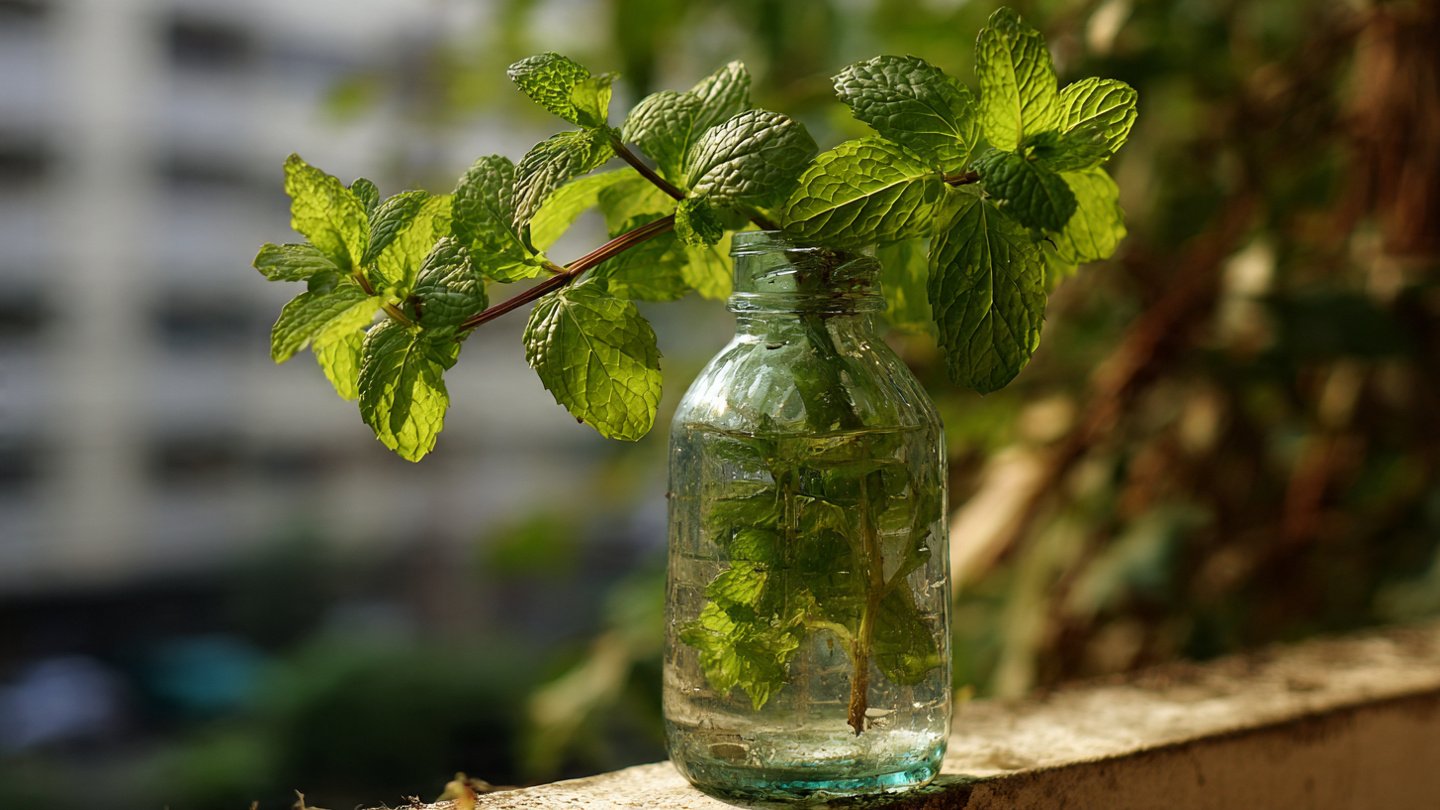
Mint is one of the most versatile and aromatic herbs you can grow at home. Whether used in teas, salads, smoothies, or culinary dishes, fresh mint adds a burst of flavor and freshness. The good news is that you don’t need a garden or expensive planters to enjoy mint all year long. With a simple plastic bottle, you can grow this hardy herb anywhere—even in a small kitchen or balcony. This guide will walk you through step-by-step instructions for creating a thriving, low-maintenance mint garden using recycled plastic bottles.
Why Grow Mint at Home?
Growing your own mint has several advantages:
- Year-round availability: Store-bought mint often spoils quickly, but a homegrown plant ensures you always have fresh leaves.
- Cost-effective: A few cuttings can produce an endless supply of mint, saving you money in the long run.
- Chemical-free: Homegrown mint is naturally free from pesticides and harmful chemicals.
- Compact and convenient: Plastic bottle gardens require minimal space, making them perfect for apartments or urban living.
By following the right techniques, mint can thrive in a small container, giving you a sustainable and aromatic herb garden all year.
Materials Needed
Before starting, gather the following materials:
- A clean, empty plastic bottle (1–2 liters works best)
- A small knife or scissors
- Soil or a soil-coconut coir mix
- Water
- Mint cuttings or seeds
- Optional: small stones or gravel for drainage
These simple materials are often found around the house, making this project eco-friendly and budget-friendly.
Step 1: Prepare the Plastic Bottle
- Clean the bottle: Wash it thoroughly to remove any residues.
- Cut the bottle: Use scissors or a knife to cut the bottle in half or create a side opening. The top half can act as a funnel for watering, or you can plant directly in the bottom section.
- Drainage: Make small holes at the bottom to allow excess water to drain. Good drainage is crucial to prevent root rot.
If desired, you can add a layer of small stones at the bottom before adding soil. This enhances drainage and keeps roots healthy.
Step 2: Choose the Right Mint
Mint is a hardy herb, and several varieties can be grown in a container, including:
- Peppermint: Strong flavor and cooling aroma.
- Spearmint: Sweeter, ideal for teas and desserts.
- Chocolate mint: Unique chocolatey flavor.
- Apple mint: Fruity notes perfect for salads and beverages.
You can start from seeds or cuttings. Cuttings are faster and more reliable for container growth.
Step 3: Planting the Mint
- Prepare soil: Fill the bottle with a light, well-draining soil mix. Coconut coir, garden soil, or compost-enriched soil works well.
- Insert cuttings: Place the mint cutting into the soil. Ensure at least one node (where leaves emerge) is buried. For seeds, sprinkle them lightly on the soil surface and cover with a thin layer of soil.
- Water gently: Moisten the soil without soaking it. Consistently damp soil promotes strong root development.
Mint grows quickly, so don’t overcrowd the bottle—one or two cuttings are enough.
Step 4: Position for Optimal Growth
Mint thrives in bright, indirect sunlight. Place your plastic bottle garden:
- Near a sunny kitchen window
- On a balcony with morning sun
- Under artificial grow lights if sunlight is limited
Mint prefers temperatures between 18–25°C (65–77°F). Avoid direct, harsh afternoon sun, which may scorch the leaves.
Step 5: Watering and Care
Proper watering is key to healthy mint:
- Consistency: Keep the soil consistently moist but not waterlogged.
- Drainage check: Ensure water drains freely from the bottle to prevent root rot.
- Humidity: Mint enjoys slightly humid conditions. Mist the leaves occasionally if indoor air is dry.
Regular care also includes trimming. Pinching off the top leaves encourages bushier growth and prevents the plant from becoming leggy.
Step 6: Fertilizing for Maximum Growth
Mint is relatively low-maintenance, but occasional feeding helps it thrive:
- Use a diluted organic fertilizer every 4–6 weeks.
- Compost tea or liquid seaweed can boost growth naturally.
- Avoid over-fertilization, which may alter flavor or burn the roots.
Healthy soil ensures your mint remains fragrant, flavorful, and vibrant.
Step 7: Harvesting Mint
Harvesting is simple and rewarding:
- Start picking leaves once the plant has multiple stems and at least 6–8 inches tall.
- Cut stems just above a leaf node to encourage new growth.
- Harvest frequently to maintain bushy, productive plants.
Mint can be harvested year-round, and regular pruning prevents it from flowering too early, which can reduce leaf quality.
Step 8: Propagation for Endless Mint
One of mint’s most impressive qualities is its ability to regenerate:
- Take cuttings from a healthy plant and plant them in a new bottle or pot.
- Roots form quickly in soil or water, allowing you to expand your garden effortlessly.
- Propagating mint ensures you never run out of fresh leaves and keeps the plant vigorous.
This makes plastic bottle gardening a sustainable way to maintain a constant supply of herbs.
Troubleshooting Common Problems
Even with minimal care, you may encounter a few challenges:
- Yellowing leaves: Usually caused by overwatering or nutrient deficiency. Check soil moisture and add a little organic fertilizer.
- Leggy growth: Lack of light causes stems to stretch. Move the bottle to a brighter spot or rotate it regularly.
- Pests: Mint may attract aphids or spider mites. Spray leaves with mild soapy water or neem oil if needed.
Regular observation and timely adjustments keep your mint plant thriving.
Benefits of Growing Mint in a Plastic Bottle
- Space-saving: Perfect for small apartments or limited outdoor space.
- Eco-friendly: Recycles plastic bottles while growing useful herbs.
- Year-round harvest: Constant trimming and propagation ensure fresh leaves all season.
- Cost-effective: Reduces reliance on store-bought herbs.
- Educational and fun: Great for children or beginners learning gardening basics.
Plastic bottle gardens are a smart way to combine sustainability, flavor, and convenience.
Final Thoughts
Growing mint in a plastic bottle is a simple, practical, and highly effective gardening technique. With minimal materials and space, you can enjoy fresh, aromatic leaves year-round while reducing waste and saving money. From choosing the right cuttings to proper care, watering, and harvesting, this method allows anyone to cultivate a thriving herb garden indoors or on a small balcony.
By following these simple steps, your mint garden can become a constant source of culinary delight, natural fragrance, and gardening satisfaction. All it takes is a little soil, a recycled bottle, and patience—and soon you’ll enjoy the endless benefits of homegrown mint.