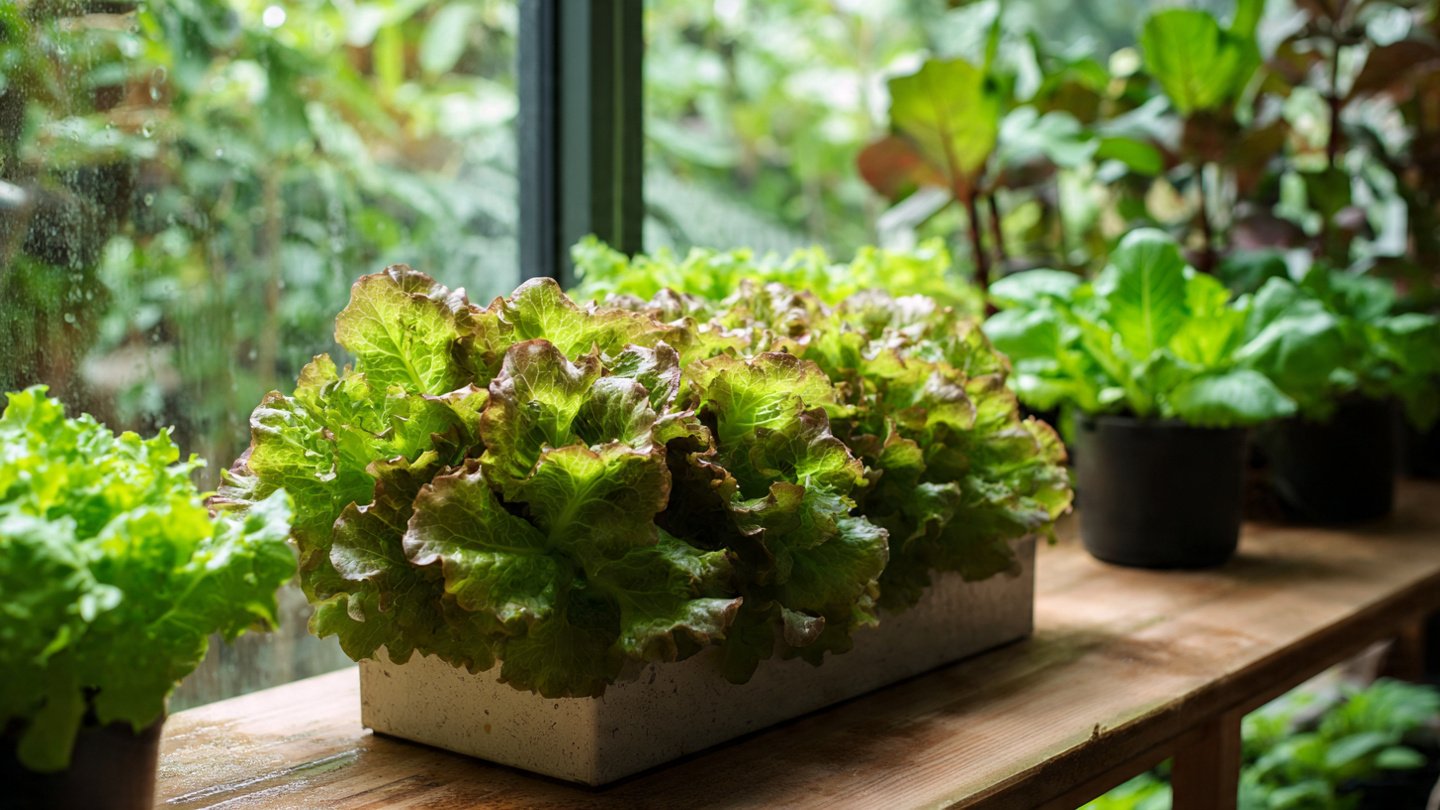
Growing leafy greens indoors is one of the most rewarding ways to enjoy fresh, nutritious food no matter the season. With minimal space, basic supplies, and a little consistency, you can harvest tender greens again and again—right from your windowsill, shelf, or countertop. This ultimate guide walks you through everything you need to know, from choosing the right greens to harvesting them continuously without killing the plant.
Why Grow Leafy Greens Indoors?
Indoor leafy greens offer several advantages over outdoor gardening:
- Year-round harvests regardless of weather
- No pests or weeds to manage
- Faster growth in controlled conditions
- Fresh, chemical-free food at your fingertips
- Perfect for small homes or apartments
Many leafy greens are “cut-and-come-again” crops, meaning you can harvest multiple times from the same plant if done correctly.
Best Leafy Greens for Indoor Growing
Not all vegetables thrive indoors, but many leafy greens are well-suited for low light and compact spaces.
Easy and reliable options include:
- Lettuce (loose-leaf varieties grow best)
- Spinach
- Arugula
- Kale (dwarf varieties)
- Swiss chard (baby leaf stage)
- Mustard greens
- Microgreens (for quick harvests)
Choose varieties labeled as compact, baby, or cut-and-come-again for the best results indoors.
Choosing the Right Containers
Containers play a major role in healthy growth and repeat harvesting.
What to look for:
- At least 4–6 inches deep for most greens
- Drainage holes to prevent root rot
- Lightweight materials like plastic, fabric, or ceramic
Window boxes, shallow trays, recycled food containers, and small pots all work well. Just make sure excess water can drain freely.
Soil: The Foundation of Success
Healthy soil is essential for repeated harvests.
Use a high-quality potting mix, not garden soil. Potting mix is lighter, drains better, and allows roots to breathe.
For best results:
- Choose soil labeled for vegetables or indoor plants
- Mix in compost or worm castings for nutrients
- Avoid heavy, compacted soil that stays wet too long
Light Requirements for Indoor Greens
Light is the most common challenge when growing greens indoors.
Best options:
- A bright, south- or east-facing window
- Supplemental grow lights if natural light is limited
Leafy greens need 10–14 hours of light per day. Without enough light, plants become leggy, pale, and slow-growing.
If using grow lights:
- Place them 6–12 inches above plants
- Use a timer for consistent lighting
- Choose full-spectrum LED lights for efficiency
Watering the Right Way
Indoor greens prefer evenly moist soil—not soggy and not dry.
Watering tips:
- Water when the top inch of soil feels dry
- Use room-temperature water
- Water slowly until excess drains out
Overwatering is one of the fastest ways to kill indoor plants. Good drainage is just as important as regular watering.
Feeding for Continuous Harvests
Because indoor greens grow in limited soil, nutrients get used up quickly.
To keep plants producing:
- Feed every 2–3 weeks with a diluted liquid fertilizer
- Use organic options like compost tea or seaweed extract
- Avoid overfeeding, which causes weak growth and bitter leaves
Healthy feeding encourages new leaf production after each harvest.
How to Harvest Leafy Greens Again and Again
The secret to endless harvests lies in how you cut.
The cut-and-come-again method:
- Wait until leaves are 4–6 inches tall
- Cut outer leaves first, not the center
- Leave at least 1–2 inches of growth above the soil
- Never remove more than one-third of the plant at a time
The plant will regrow new leaves from the center, allowing you to harvest every 1–2 weeks.
Preventing Common Indoor Growing Problems
Even indoors, issues can arise—but they’re easy to fix once you know what to look for.
Yellow leaves
- Usually caused by overwatering or low nutrients
Leggy growth
- Indicates insufficient light
Slow regrowth
- Often due to lack of feeding or crowded plants
Bitter taste
- Caused by stress, heat, or letting leaves grow too old
Regular harvesting actually improves flavor and keeps plants tender.
Spacing and Thinning Matter
Crowded plants compete for light, water, and nutrients.
After seedlings emerge:
- Thin plants so leaves don’t overlap excessively
- Snip extras at soil level instead of pulling them out
Proper spacing improves airflow and reduces disease risk.
Growing Greens Without Soil (Optional Method)
If you prefer a mess-free option, leafy greens can also grow in water or hydroponic systems.
Popular soil-free methods include:
- Mason jar growing
- Countertop hydroponic units
- Nutrient water trays for baby greens
These methods allow fast growth and easy harvesting but require regular nutrient monitoring.
How Long Can Indoor Greens Keep Producing?
Most leafy greens can be harvested for 4–8 weeks, sometimes longer with excellent care.
Signs it’s time to replace plants:
- Leaves become bitter
- Growth slows dramatically
- Plants bolt or stretch excessively
Staggering plantings every 2–3 weeks ensures a constant supply of fresh greens.
Final Thoughts
Growing leafy greens indoors is one of the simplest and most productive ways to garden. With the right light, soil, and harvesting technique, a single planting can provide multiple harvests over weeks or even months. Whether you’re short on space, new to gardening, or simply want fresh greens year-round, indoor growing delivers unmatched convenience and satisfaction.
Once you master the basics, you’ll never want to rely on store-bought greens again. A few pots, a little light, and consistent care are all it takes to turn your home into a personal salad garden that keeps giving.