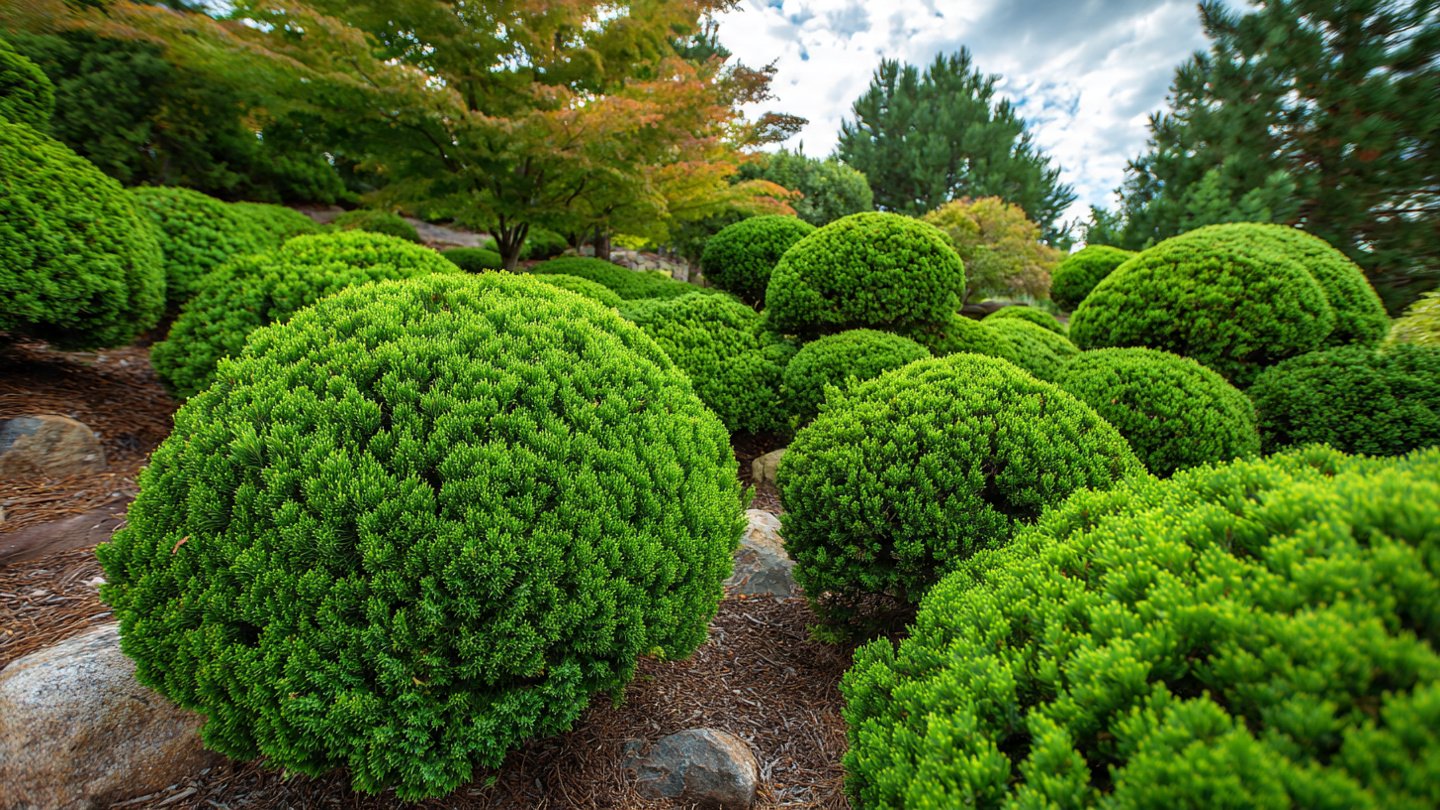
Juniper-style shrubs are a favorite among gardeners and landscape designers for good reason. With their evergreen beauty, textured foliage, and remarkable adaptability, these shrubs bring structure, color, and year-round interest to almost any outdoor space. Whether you’re designing a formal garden, a modern landscape, or a naturalistic retreat, juniper-style shrubs can transform your garden with minimal effort.
In this article, you’ll discover how to grow juniper-style shrubs successfully, explore creative design ideas, and learn practical care tips to keep them healthy and visually striking for years to come.
What Are Juniper-Style Shrubs?
Juniper-style shrubs refer to evergreen plants that share the growth habits, needle-like or scale-like foliage, and rugged charm commonly associated with junipers. These shrubs are valued for their dense form, tolerance to pruning, and ability to thrive in diverse climates.
They come in various shapes, including:
- Low-growing ground covers
- Upright columnar forms
- Rounded, compact bushes
- Naturally spreading, sculptural shapes
This diversity makes them ideal for both small gardens and large landscape projects.
Why Choose Juniper-Style Shrubs for Your Garden?
Juniper-style shrubs offer a unique combination of beauty and practicality. Some key advantages include:
- Evergreen appeal that keeps gardens attractive year-round
- Low maintenance once established
- Drought tolerance, ideal for water-wise gardening
- Excellent structure for garden design
- Resistance to pests and diseases
These shrubs are particularly valuable in gardens where long-lasting form and texture are more important than seasonal flowers.
Choosing the Right Location
Selecting the correct planting site is essential for healthy growth.
Sunlight Requirements
Most juniper-style shrubs thrive in full sun, requiring at least 6 hours of direct sunlight daily. Adequate sun ensures dense growth and rich foliage color. While some varieties tolerate partial shade, too much shade can lead to sparse or leggy growth.
Soil Conditions
Well-drained soil is critical. These shrubs dislike standing water and may suffer root problems in soggy conditions. Sandy or loamy soil is ideal, but they can adapt to poor or rocky soils if drainage is good.
Planting Juniper-Style Shrubs the Right Way
Step 1: Prepare the Soil
Loosen the soil and mix in compost if the ground is extremely poor. Avoid heavy fertilization at planting time.
Step 2: Dig the Hole
Dig a hole twice as wide as the root ball but no deeper. The shrub should sit at the same level it was growing in its container.
Step 3: Plant and Water
Place the shrub in the hole, backfill with soil, and gently firm it down. Water thoroughly to settle the soil around the roots.
Step 4: Mulch
Apply a light layer of mulch around the base to retain moisture and suppress weeds, keeping it away from the stem.
Watering and Early Care
During the first growing season, water regularly to help establish strong roots. Once established, juniper-style shrubs are highly drought-tolerant and require minimal supplemental watering.
Overwatering is a common mistake. Allow the soil to dry slightly between waterings to prevent root rot.
Pruning and Shaping Tips
One of the biggest advantages of juniper-style shrubs is their ability to be shaped.
- Prune lightly in early spring or late winter
- Remove dead or damaged branches first
- Avoid cutting into old, woody growth that may not regenerate
- Shape gradually rather than aggressively
These shrubs are ideal for natural forms, geometric shapes, and even bonsai-inspired designs.
Stunning Garden Design Ideas Using Juniper-Style Shrubs
1. Foundation Plantings
Use compact juniper-style shrubs along building foundations for a clean, structured look that stays green all year.
2. Rock and Gravel Gardens
Their rugged appearance pairs beautifully with stones, gravel paths, and minimalist landscapes.
3. Hedges and Screens
Upright varieties work well as low hedges or privacy screens, especially in dry or sunny areas.
4. Accent and Focal Points
A single sculpted shrub can serve as a dramatic focal point in courtyards or entryways.
5. Slopes and Ground Cover
Low-growing forms help control erosion while adding texture to slopes and uneven terrain.
Feeding and Fertilization
Juniper-style shrubs are light feeders. In most cases, they require little to no fertilizer.
- Apply a balanced, slow-release fertilizer once in early spring if growth appears weak
- Avoid high-nitrogen fertilizers, which can cause excessive, weak growth
- Healthy soil and good drainage are more important than frequent feeding
Common Problems and How to Avoid Them
Yellowing or browning foliage
Often caused by overwatering or poor drainage. Improve soil conditions and reduce watering.
Sparse growth
Usually due to insufficient sunlight. Move or replant in a sunnier location.
Winter damage
Strong winds and heavy snow can damage branches. Lightly tie upright forms during winter in cold climates.
Long-Term Maintenance and Care
Once established, juniper-style shrubs are among the most dependable plants in the garden. Routine care includes:
- Occasional watering during extreme drought
- Light pruning to maintain shape
- Checking for pests or disease stress
- Refreshing mulch annually
With proper care, these shrubs can live for decades and become permanent features of your landscape.
Why Juniper-Style Shrubs Are Ideal for Modern Gardens
Modern gardens emphasize structure, sustainability, and low maintenance—all qualities that juniper-style shrubs naturally provide. Their architectural forms complement clean lines and minimalist designs, while their resilience supports eco-friendly landscaping practices.
Final Thoughts
Growing juniper-style shrubs is an excellent way to create a stunning, low-maintenance garden that looks beautiful throughout the year. With the right location, proper planting, and minimal care, these versatile shrubs reward you with lasting structure, texture, and greenery.
Whether you’re designing a formal landscape or a relaxed natural garden, juniper-style shrubs offer endless design possibilities and dependable performance—making them a smart and stylish choice for gardeners of all levels.