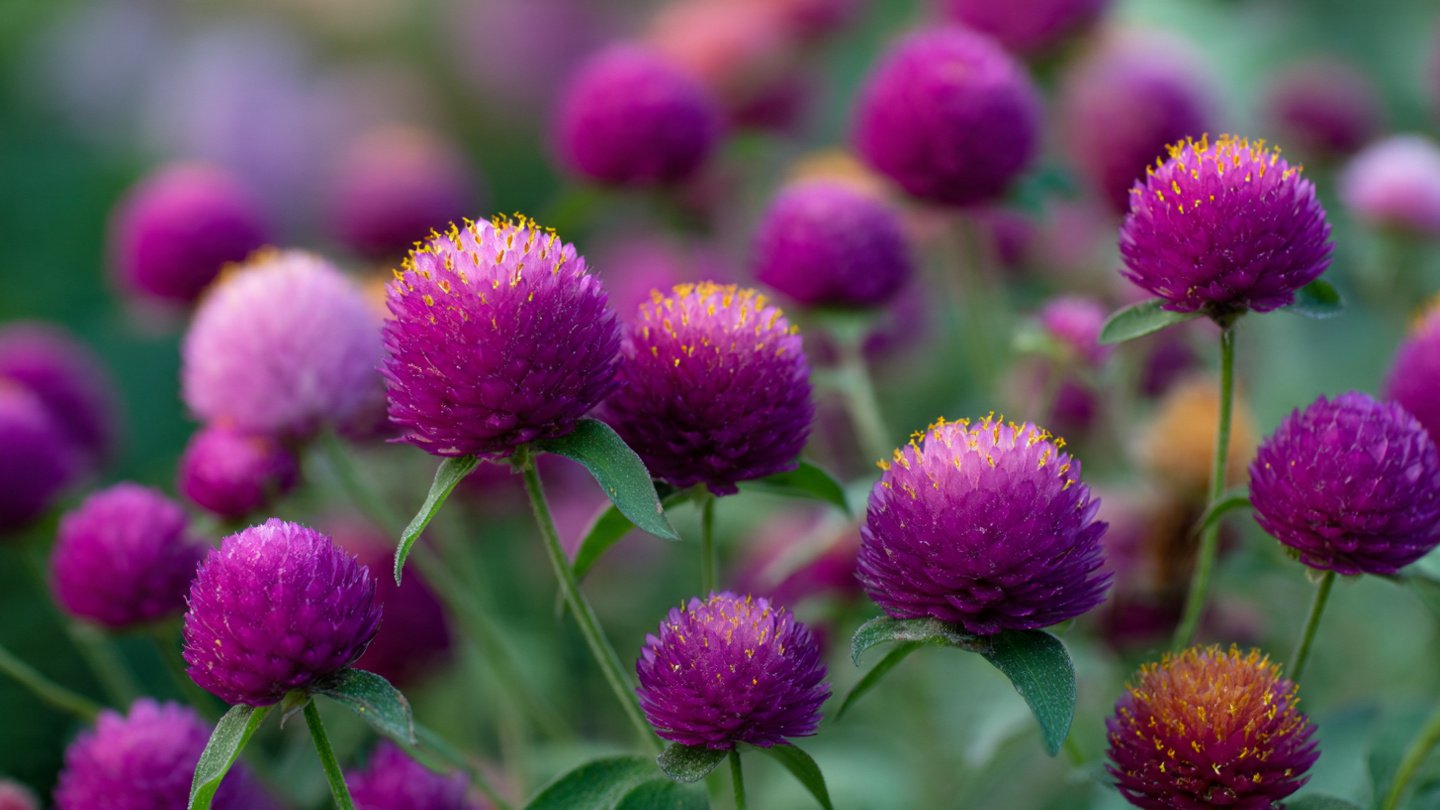
Gomphrena, commonly known as Globe Amaranth, is a vibrant and versatile flowering plant that adds color, texture, and charm to gardens, patios, and indoor spaces. Known for its long-lasting blooms and ease of care, Gomphrena is a favorite among gardeners seeking resilient, low-maintenance flowers that attract pollinators and maintain beauty throughout the season.
In this guide, we’ll explore how to grow Gomphrena successfully, from choosing the right variety and planting to care, maintenance, and tips for extended flowering. Whether you are a beginner or an experienced gardener, this guide ensures your Gomphrena plants thrive with abundant, long-lasting blooms.
Why Choose Gomphrena?
Gomphrena is ideal for gardeners for several reasons:
- Long-Lasting Blooms: Flowers can last for weeks, maintaining vibrant color even when cut for arrangements.
- Low Maintenance: Tolerant to heat, drought, and various soil conditions.
- Pollinator-Friendly: Attracts bees and butterflies, enhancing garden biodiversity.
- Versatile Uses: Perfect for borders, containers, hanging baskets, and dried floral arrangements.
- Continuous Flowering: With proper care, Gomphrena blooms from summer to fall.
These attributes make Gomphrena a reliable, colorful addition to any garden or container setup.
Selecting the Right Variety
There are several Gomphrena varieties suitable for long-lasting blooms:
- Gomphrena globosa: The most common globe amaranth, available in purple, pink, red, and white.
- Gomphrena haageana: Known as Strawberry Fields, produces cheerful red or orange flowers.
- Gomphrena ‘Fireworks’: Compact and bushy, ideal for borders and containers.
Choose a variety based on bloom color preferences, plant height, and garden layout. For containers or small spaces, compact varieties work best.
Choosing the Ideal Growing Location
Gomphrena thrives in full sun, requiring at least 6–8 hours of direct sunlight daily. Sun exposure encourages abundant blooms, strong stems, and vibrant colors.
Other considerations:
- Soil: Well-draining soil is essential. Gomphrena tolerates sandy, loamy, or slightly acidic soils (pH 6.0–7.0).
- Airflow: Adequate spacing improves airflow and reduces disease risk. Avoid overcrowding.
- Protection from Frost: Gomphrena is heat-tolerant but sensitive to frost, so plant after the last frost in spring.
A sunny, warm, and well-ventilated location ensures healthy growth and long-lasting flowers.
Starting Gomphrena from Seeds
Gomphrena is easily propagated from seeds, which can be sown indoors or directly outdoors:
- Indoor Sowing: Start seeds 6–8 weeks before the last frost. Sow in seed trays filled with seed-starting mix. Lightly cover seeds with 1/8 inch of soil. Keep the soil moist and warm (70–75°F / 21–24°C) until germination, which usually takes 10–14 days.
- Direct Outdoor Sowing: Once soil has warmed and frost risk has passed, sow seeds in well-prepared garden beds. Scatter seeds evenly and lightly cover with soil.
- Transplanting Seedlings: If started indoors, transplant seedlings when they have 2–3 true leaves and spacing is at least 8–12 inches apart.
Seeds are tiny, so handle them carefully and ensure they remain slightly moist until germination.
Planting Gomphrena
- Spacing: Space plants 8–12 inches apart for adequate airflow and room to grow.
- Depth: Plant seeds or seedlings at soil level. Avoid burying deeply, as Gomphrena prefers shallow planting.
- Containers: For pots or hanging baskets, use well-draining soil and containers with drainage holes.
- Soil Preparation: Amend garden soil with compost or organic matter to improve fertility, especially if soil is sandy or poor.
Correct planting ensures robust growth and continuous blooming.
Watering and Moisture Management
Gomphrena is drought-tolerant but thrives with consistent watering:
- Watering Frequency: Water young plants regularly to establish roots. Mature plants need water only when the soil dries out.
- Avoid Waterlogging: Overwatering can lead to root rot and fungal diseases.
- Mulching: Apply a thin layer of organic mulch around the base to retain soil moisture and suppress weeds.
Proper watering encourages healthy leaves, strong stems, and prolonged flowering.
Fertilization for Continuous Blooms
Gomphrena is not a heavy feeder, but moderate fertilization enhances growth and bloom duration:
- Balanced Fertilizer: Use a general-purpose fertilizer (NPK 10-10-10) every 4–6 weeks during the growing season.
- Organic Fertilizer: Compost tea or liquid seaweed extract encourages vibrant blooms without over-fertilization.
- Avoid Excess Nitrogen: Too much nitrogen promotes leaf growth at the expense of flowers.
Well-fed plants produce longer-lasting, vibrant blooms throughout the season.
Pruning and Deadheading
Deadheading is essential for long-lasting blooms:
- Remove Spent Flowers: Cut off faded flowers regularly to encourage new buds and extend blooming.
- Pinching Tips: Pinch growing tips of young plants to encourage bushier growth and more flowers.
- Pruning in Late Season: Trim overly tall or leggy stems to maintain compact growth and garden aesthetics.
Regular pruning and deadheading maximize flowering and prevent plants from becoming leggy.
Pest and Disease Management
Gomphrena is generally resistant to pests and diseases, but some precautions help maintain plant health:
- Common Pests: Aphids, spider mites, and whiteflies can occasionally infest plants. Use neem oil sprays or introduce beneficial insects like ladybugs.
- Fungal Diseases: Powdery mildew or root rot can occur in poorly drained or overcrowded conditions. Maintain good spacing and avoid overhead watering.
- Cleanliness: Remove dead leaves and flowers to reduce disease risk and improve airflow.
Healthy plants produce more blooms and require less intervention.
Companion Planting
Gomphrena pairs well with other annuals and perennials:
- Pollinator-Friendly Neighbors: Plant near marigolds, zinnias, or salvias to attract bees and butterflies.
- Border Planting: Gomphrena works well along garden edges, mixing with taller perennials for layered visual appeal.
- Container Gardening: Mix with petunias or verbena in pots to create continuous color displays.
Companion planting improves garden aesthetics and supports pollinators for better overall plant health.
Harvesting and Using Gomphrena
- Fresh Cut Flowers: Harvest blooms when fully colored but before they begin to fade.
- Dried Flowers: Gomphrena retains color when dried. Hang stems upside down in a dark, ventilated area for long-lasting arrangements.
- Garden Display: Leaves are not typically edible, but the bright flowers add texture and color to borders, containers, and floral designs.
Long-lasting blooms allow gardeners to enjoy color for months and use flowers in arrangements or crafts.
Tips for Maximizing Bloom Duration
- Full Sun Exposure: Ensures abundant flowering and vibrant colors.
- Regular Deadheading: Keeps plants producing new blooms continuously.
- Adequate Spacing: Prevents overcrowding and promotes airflow to reduce fungal risks.
- Moderate Fertilization: Balanced nutrients encourage prolonged flowering without excessive foliage growth.
Consistent care results in a garden full of bright, long-lasting Gomphrena blooms.
Final Thoughts
Growing Gomphrena for long-lasting blooms is a rewarding and straightforward process. With proper selection of varieties, full sun, well-draining soil, moderate watering, fertilization, and regular pruning, gardeners can enjoy vibrant, colorful flowers throughout the season.
Whether planted in garden beds, borders, containers, or hanging baskets, Gomphrena adds enduring charm and attracts pollinators to your garden. By following these simple methods, even beginner gardeners can cultivate healthy, bushy plants with bright, long-lasting blooms that enhance any garden or floral arrangement.