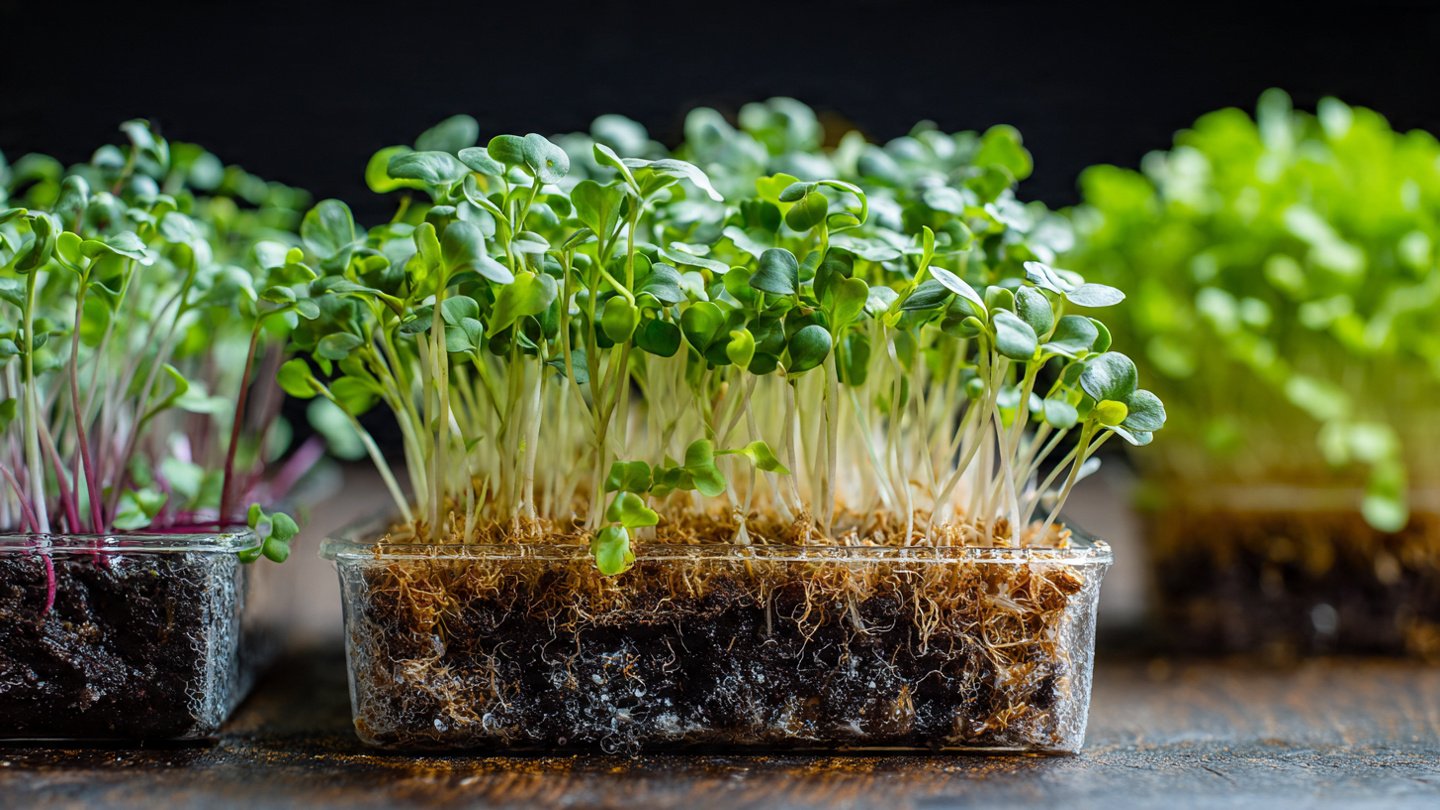
Growing your own microgreens daily is one of the simplest and most rewarding ways to improve your diet, save money, and add freshness to your meals. These tiny, tender seedlings may be small in size, but they are packed with flavor, color, and nutrients. Whether you live in an apartment, have limited space, or are new to gardening, microgreens are an ideal choice for building a healthier lifestyle right at home.
What Are Microgreens?
Microgreens are young vegetable and herb plants harvested at an early stage, usually 7–14 days after germination. They fall between sprouts and baby greens in terms of growth. At this stage, the plants have developed their first set of true leaves, which is when flavor and nutrient density peak.
Popular microgreens include broccoli, radish, mustard, kale, spinach, pea shoots, sunflower, coriander, basil, and fenugreek. Each type offers a unique taste profile, ranging from mild and sweet to spicy and peppery.
Why Grow Microgreens Daily?
Growing microgreens daily ensures a constant supply of fresh greens for salads, sandwiches, smoothies, and garnishes. Freshly harvested microgreens contain higher levels of vitamins, minerals, and antioxidants compared to many store-bought greens that may have traveled long distances and lost nutrients over time.
Other key benefits include:
- Healthier eating habits: Easy access encourages you to add greens to every meal.
- Cost savings: A small packet of seeds can produce many harvests.
- Minimal space required: A windowsill or shelf is enough.
- Quick results: Most microgreens are ready in under two weeks.
- No chemicals: You control what goes into your food.
Essential Supplies You’ll Need
Starting microgreens does not require expensive tools. Most supplies are affordable and reusable.
- Shallow trays or containers (with or without drainage holes)
- Quality microgreen seeds (untreated and food-grade)
- Growing medium (coco peat, soil mix, or even paper towels for some varieties)
- Spray bottle for watering
- Light source (sunlight or grow light)
- Clean water
Recycled food containers, takeaway boxes, or seedling trays work perfectly well.
Step-by-Step Guide to Growing Microgreens
1. Choose the Right Seeds
Always select seeds specifically labeled for microgreens. These seeds are usually untreated and safe for consumption at an early stage.
2. Prepare the Tray
Fill your tray with 2–3 cm of growing medium. Lightly press it down to create an even surface. Moisturize the medium before sowing, but avoid making it soggy.
3. Sow Seeds Evenly
Scatter seeds evenly across the surface. Avoid overcrowding, as this can lead to mold and poor airflow. Different seeds have different spacing needs, so follow general guidelines for each variety.
4. Cover and Germinate
Lightly mist the seeds with water. Some growers cover the tray with another tray or lid for 2–3 days to encourage uniform germination. Keep the tray in a warm spot during this stage.
5. Provide Light
Once seeds sprout, remove the cover and place the tray in bright indirect sunlight or under a grow light. Adequate light prevents leggy, weak growth and enhances color and nutrition.
6. Water Carefully
Use a spray bottle to mist the microgreens once or twice daily. Bottom watering is also effective and helps reduce fungal issues. The growing medium should stay moist, not wet.
7. Harvest at the Right Time
Most microgreens are ready to harvest when they are 5–8 cm tall and have developed their first true leaves. Use clean scissors to cut just above the soil line.
How to Grow Microgreens Daily Without Gaps
To enjoy microgreens every single day, the key is staggered planting. Instead of planting all your seeds at once, sow small batches every 2–3 days in separate trays. This creates a continuous harvest cycle.
For example:
- Day 1: Plant tray A
- Day 3: Plant tray B
- Day 5: Plant tray C
By the time tray A is ready to harvest, tray B and C will be at different growth stages. This system ensures fresh greens daily with minimal effort.
Best Microgreens for Daily Consumption
Some varieties are especially suitable for daily growing because they are fast, reliable, and versatile:
- Radish: Grows quickly, spicy flavor, great crunch
- Broccoli: Mild taste, high in antioxidants
- Pea shoots: Sweet and tender, excellent for salads
- Fenugreek: Slightly bitter, popular in Indian cuisine
- Mustard: Peppery and bold, boosts flavor instantly
- Sunflower: Nutty taste, filling and nutritious
Rotating different types keeps meals interesting and nutritionally balanced.
Hygiene and Safety Tips
Because microgreens are harvested young, cleanliness is crucial:
- Wash trays and tools after each use
- Use clean water for irrigation
- Ensure good airflow to prevent mold
- Avoid overwatering
- Discard any tray with visible mold or foul smell
Proper hygiene ensures safe, healthy greens every time.
How to Use Microgreens in Daily Meals
Microgreens are incredibly versatile. You can add them to:
- Salads and wraps
- Sandwiches and burgers
- Smoothies and juices
- Soups and curries (added at the end)
- Omelets and stir-fries
- Rice dishes and noodles
Because of their delicate texture, it’s best to add them fresh rather than cooking them extensively.
Building a Healthier Lifestyle with Microgreens
Growing microgreens daily is more than a gardening hobby—it’s a lifestyle change. The act of growing your own food creates awareness about nutrition and encourages mindful eating. Over time, you may notice improved digestion, higher energy levels, and a stronger connection to what you eat.
Additionally, tending to plants has proven mental health benefits. Even a few minutes a day spent caring for your microgreens can reduce stress and bring a sense of accomplishment.
Final Thoughts
Growing fresh microgreens daily is one of the easiest and most effective ways to take control of your health. With minimal space, low investment, and quick results, anyone can enjoy nutrient-rich greens year-round. By adopting staggered planting and simple care routines, you can ensure a steady supply of fresh, flavorful microgreens that support a healthier, more sustainable lifestyle—one tray at a time.