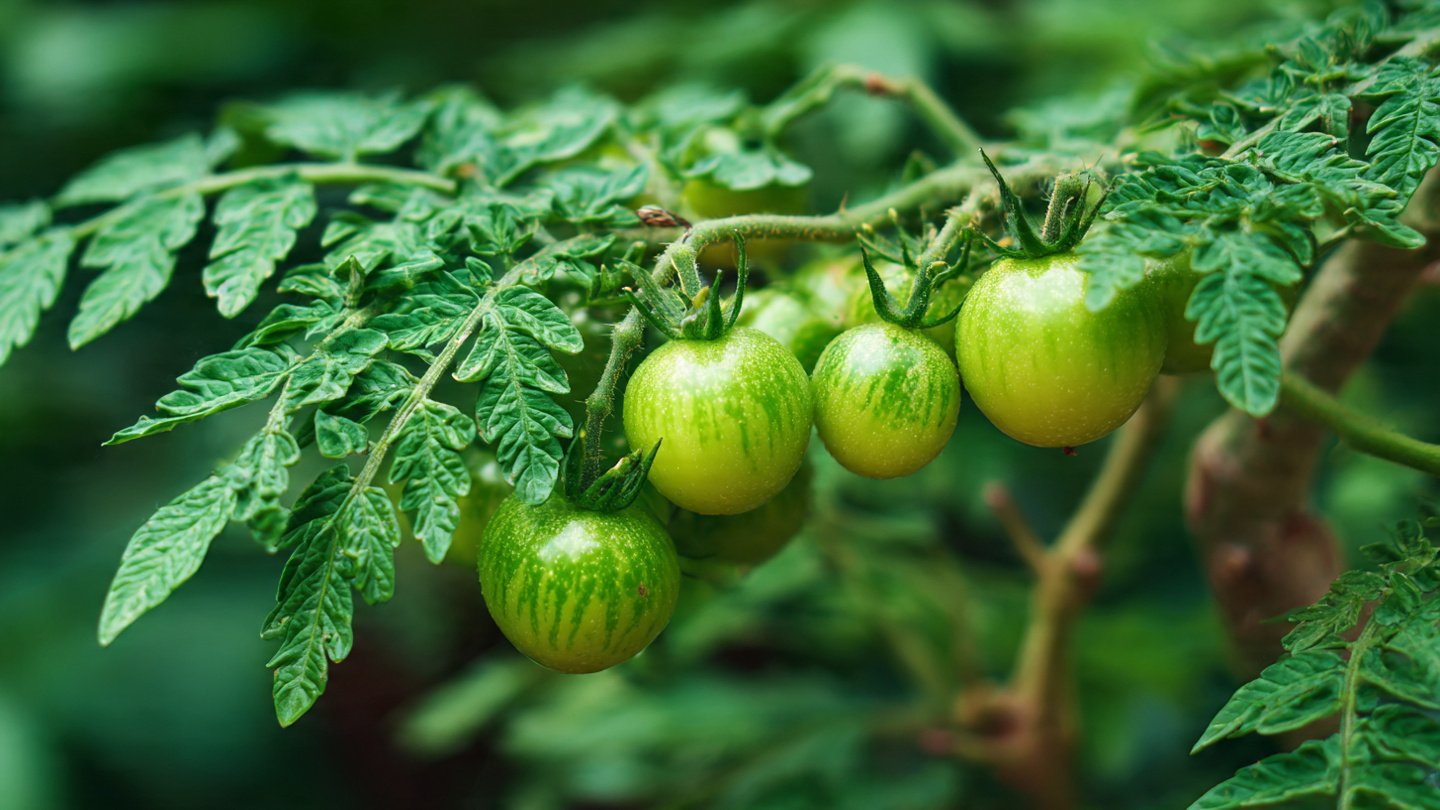
Fern-leaf tomatoes, also known as “Fine Leaf” or “Fernleaf” tomatoes, are a unique and highly productive variety prized by home gardeners. Unlike regular tomato plants, fern-leaf tomatoes feature finely divided, delicate foliage, and produce small to medium-sized, intensely flavorful fruits. They are particularly well-suited for container gardening, balconies, terraces, or small backyards, making them ideal for anyone looking to grow fresh tomatoes at home.
This guide provides a step-by-step approach to growing fern-leaf tomatoes successfully, from seed sowing to harvest, ensuring healthy plants and abundant fruit.
Why Grow Fern-Leaf Tomatoes at Home
Homegrown fern-leaf tomatoes offer many advantages:
- Flavorful fruits: The small to medium fruits are rich in taste, perfect for salads, sauces, or fresh snacking.
- High yield: These plants produce abundant fruit throughout the season.
- Compact and bushy growth: Ideal for small spaces and containers.
- Disease tolerance: Fern-leaf tomatoes are less prone to common tomato diseases compared to other varieties.
Their delicate, feathery foliage adds beauty to any garden while providing a productive harvest.
Choosing the Right Seeds
The first step to success is selecting high-quality seeds from a reliable source. When choosing fern-leaf tomato seeds, consider:
- Disease-resistant varieties: Look for seeds labeled resistant to fusarium wilt and verticillium wilt.
- Maturity period: Early-maturing varieties produce fruits faster.
- Growth habit: Compact bushy plants work best for containers, while slightly larger plants can thrive in garden beds.
Using fresh seeds ensures higher germination rates and stronger seedlings.
Preparing Containers and Soil
Fern-leaf tomatoes can thrive in both garden beds and containers, making them versatile for home gardening.
Container Selection
- Choose pots at least 12–16 inches deep to accommodate the root system.
- Ensure multiple drainage holes to prevent waterlogging.
- Large containers allow the plant to grow vigorously and produce more fruits.
Soil Preparation
Fern-leaf tomatoes prefer:
- Well-draining, fertile soil
- Slightly acidic to neutral pH (6.0–7.0)
- Organic-rich soil with compost or vermicompost
A good soil mix includes garden soil, compost, and cocopeat for aeration and moisture retention. Healthy soil ensures strong growth and prolific fruiting.
Sowing Seeds
Starting from seed is the most reliable method for fern-leaf tomatoes:
- Fill seed trays or small pots with seed-starting mix.
- Sow seeds ¼ inch deep and cover lightly with soil.
- Water gently to keep soil moist.
- Keep the trays in a warm, bright location (20–25°C) for germination.
Seeds usually germinate within 7–14 days. Once seedlings develop 2–3 true leaves, they are ready for transplantation into larger containers or garden beds.
Transplanting Seedlings
Proper transplantation ensures healthy growth and abundant fruit:
- Harden off seedlings by gradually exposing them to outdoor conditions for 5–7 days.
- Dig a hole slightly larger than the root ball.
- Place the seedling and fill the soil gently around it.
- Water thoroughly to settle the soil.
- Space plants 12–18 inches apart in containers or garden beds to allow proper airflow.
Sunlight and Location
Fern-leaf tomatoes need adequate sunlight for flowering and fruiting:
- Provide 6–8 hours of direct sunlight daily.
- For balconies, rotate containers weekly to ensure even growth.
- In very hot climates, provide afternoon shade to prevent leaf scorching.
Sufficient sunlight promotes strong stems, vibrant leaves, and abundant flowering, which directly affects fruit yield.
Watering Schedule
Watering is critical for tomato growth and fruit development:
- Keep soil consistently moist, avoiding waterlogging.
- Water deeply 2–3 times per week or more in hot weather.
- Mulch the soil surface to retain moisture and regulate temperature.
Consistent watering reduces stress, prevents flower drop, and encourages continuous fruiting.
Fertilization
Fern-leaf tomatoes are heavy feeders and benefit from regular nutrition:
- Apply organic compost or vermicompost every 2–3 weeks.
- Use liquid organic fertilizer during flowering and fruit set for better yields.
- Avoid excessive nitrogen, which encourages leaf growth at the expense of fruits.
- Include potassium-rich fertilizer when fruits start forming to improve size and flavor.
Proper fertilization results in lush foliage, strong flowers, and a high number of fruits per plant.
Supporting the Plants
Even though fern-leaf tomatoes are compact, supporting them helps maintain plant health and ease harvesting:
- Use stakes, cages, or trellises to support stems.
- Tie stems loosely with soft cloth or twine to avoid damage.
- Remove lower leaves that touch the soil to prevent fungal infections.
Supporting the plant improves airflow, reduces disease risk, and allows fruits to develop cleanly.
Pruning for Productivity
Pruning encourages strong growth and maximizes fruit production:
- Remove yellowing, damaged, or weak leaves regularly.
- Pinch off early flower buds on young plants to allow vigorous vegetative growth.
- Trim side shoots sparingly to prevent overcrowding.
Pruning helps direct the plant’s energy toward fruiting instead of excessive foliage.
Flowering and Fruit Development
Fern-leaf tomatoes begin flowering 4–6 weeks after transplanting. Small yellow flowers appear along the stems, followed by tiny green tomatoes.
To ensure optimal fruit set:
- Maintain consistent watering and soil fertility.
- Provide adequate sunlight.
- Protect flowers from pests like aphids and whiteflies.
- Hand-pollinate flowers if grown indoors for better fruiting.
Fruits usually mature in 50–70 days, depending on variety and growing conditions.
Pest and Disease Management
Common challenges include:
- Aphids and whiteflies: Control with neem oil or mild soap solution.
- Fungal infections: Ensure proper drainage and airflow; remove infected leaves promptly.
- Blossom drop: Often caused by irregular watering or extreme temperatures.
Preventive care and early detection are key to maintaining healthy plants and abundant harvests.
Harvesting Fern-Leaf Tomatoes
- Pick fruits when they reach full size and color.
- Gently twist or cut fruits from the stem to avoid damaging the plant.
- Frequent harvesting encourages continuous production and prevents overripe fruits from affecting new growth.
A well-maintained fern-leaf tomato plant can produce multiple harvests over several months, making it highly rewarding for home gardeners.
Tips for Maximum Success
- Choose disease-resistant varieties.
- Use nutrient-rich, well-draining soil.
- Maintain consistent watering and fertilization.
- Support and prune plants regularly.
- Ensure adequate sunlight exposure.
- Harvest regularly to promote continuous fruiting.
Following these steps ensures healthy, productive plants that deliver delicious fruits season after season.
Final Thoughts
Growing fern-leaf tomatoes at home is a rewarding and enjoyable process. With the right care, proper sunlight, nutrient-rich soil, and regular maintenance, you can cultivate healthy plants and enjoy a continuous supply of flavorful, nutrient-dense tomatoes.
Whether you are growing in containers, on a terrace, or in a backyard garden, this step-by-step approach from seed to harvest ensures a bountiful harvest, allowing you to enjoy homegrown tomatoes that are fresher, tastier, and more nutritious than anything purchased from a store.