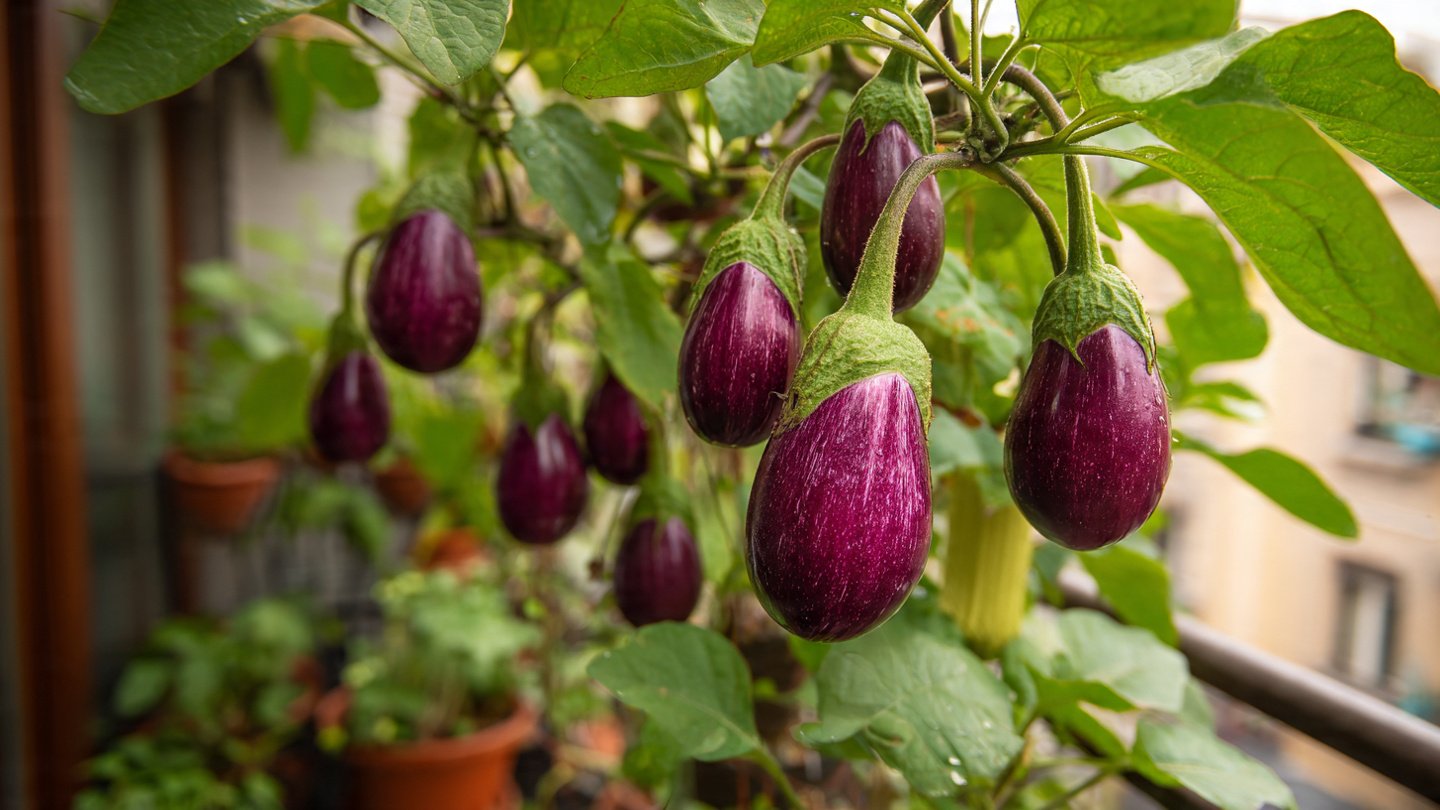
Urban gardening has transformed the way people grow food at home. With limited space, innovative techniques allow gardeners to cultivate vegetables on balconies, terraces, and even windowsills. One such method gaining popularity in the US and Europe is growing eggplants in bottles—a creative, space-saving approach that delivers fresh, homegrown produce without the need for a full garden.
Eggplants, also known as aubergines, are versatile, nutritious, and well-suited for container gardening when provided with proper care. This comprehensive guide walks you through everything you need to know to grow eggplants in bottles successfully, from choosing the right varieties to harvesting delicious fruit.
Why Grow Eggplants in Bottles
Growing eggplants in bottles has several advantages, especially for urban gardeners:
- Space-saving: Perfect for balconies, patios, or small outdoor areas.
- Portable gardening: Containers can be moved to catch sunlight or protect plants from extreme weather.
- Pest control: Elevating plants reduces the risk of soil-borne pests.
- Eco-friendly: Repurposing plastic or glass bottles reduces waste while creating a productive garden.
With the right techniques, bottle-grown eggplants can be as productive and flavorful as those grown in traditional garden beds.
Choosing the Right Eggplant Varieties
Not all eggplants are suitable for bottle cultivation. Select compact or dwarf varieties that thrive in containers:
- Dwarf varieties: “Fairy Tale,” “Patio Baby,” and “Hansel” are excellent for small spaces.
- Compact hybrids: Designed for container growth and urban gardening.
- Early-maturing types: Produce fruit faster, ideal for shorter growing seasons in northern regions.
Compact varieties save space, reduce maintenance, and are easier to manage on a balcony.
Preparing Bottles for Planting
Almost any large plastic or glass bottle can be repurposed for eggplant cultivation. Proper preparation is key:
Materials needed:
- 2–5 liter plastic bottles or similar containers
- Sharp knife or scissors
- Gravel or small stones for drainage
- Potting mix enriched with compost
Steps:
- Cut the bottle horizontally or remove the top portion to create an open container.
- Poke several drainage holes at the bottom to prevent waterlogging.
- Place a layer of gravel or stones at the bottom for extra drainage.
- Fill the bottle with nutrient-rich potting mix, leaving a few centimeters from the top.
Well-prepared bottles ensure proper root aeration and healthy growth.
Starting Eggplants from Seeds or Seedlings
Eggplants can be grown from seeds or young seedlings:
- Seeds: Start indoors 6–8 weeks before the last expected frost. Keep them warm and well-lit until seedlings develop 2–3 true leaves.
- Seedlings: Choose strong, healthy plants from a nursery. Look for bright green leaves and firm stems.
Transplant seedlings into bottles once they are sturdy enough and the risk of frost has passed.
Light and Temperature Requirements
Eggplants are sun-loving plants that require warmth to thrive:
- Sunlight: 6–8 hours of direct sunlight daily. Use reflective surfaces if sunlight is limited.
- Temperature: Ideal daytime temperatures are 21–30°C, while nighttime temperatures should remain above 15°C.
- Protection: In the US and Europe, bottle-grown plants can be moved indoors or covered during unexpected cold spells.
Adequate sunlight and temperature management are critical for flowering and fruiting.
Watering and Moisture Control
Proper watering is essential for bottle-grown eggplants:
- Water deeply when the top 2 cm of soil feels dry.
- Avoid overwatering, which can cause root rot.
- In hot climates or during summer, increase frequency slightly.
- Mulch with straw or small leaves to retain moisture and regulate temperature.
Consistent moisture encourages steady growth, reduces stress, and improves fruit quality.
Fertilizing for Maximum Growth
Eggplants are nutrient-hungry and need regular fertilization to produce abundant fruit:
- Mix compost or organic fertilizer into the soil before planting.
- Use a balanced liquid fertilizer every 2–3 weeks during vegetative growth.
- Switch to a phosphorus- and potassium-rich fertilizer when flowers appear to boost fruit development.
Avoid excessive nitrogen, as it promotes leaf growth at the expense of flowers and fruit.
Supporting Bottle-Grown Eggplants
Even dwarf varieties may need support as they grow and produce fruit:
- Insert a stake into the bottle for the stem to lean on.
- Use soft ties to secure the plant without damaging the stem.
- Regular pruning of lower leaves and side shoots improves airflow and light penetration.
Support prevents plants from bending under the weight of fruit and encourages stronger stems.
Pollination Tips
Eggplants are self-pollinating but benefit from assistance for higher yields:
- Gently shake the flowers or tap them to encourage pollen transfer.
- Use a small brush or cotton swab to move pollen between flowers if natural pollinators are scarce.
- Encourage bees and other pollinators on your balcony by planting flowering companions.
Proper pollination increases fruit set and improves overall harvest.
Pest and Disease Management
Even container-grown eggplants can attract pests such as aphids, spider mites, or whiteflies. Common diseases include fungal infections like powdery mildew.
Tips for prevention:
- Inspect plants regularly for pests.
- Remove affected leaves immediately.
- Use organic sprays like neem oil or insecticidal soap if necessary.
- Maintain airflow by spacing bottles appropriately.
Vigilant care keeps plants healthy and ensures maximum productivity.
Harvesting Eggplants
Eggplants are ready to harvest when fruits are firm, glossy, and reach full size:
- Cut the fruit from the stem using sharp scissors or a knife.
- Avoid pulling the fruit, which can damage the stem.
- Harvest regularly to encourage new flowering and fruiting.
Proper harvesting techniques increase yield and prolong the productive life of the plant.
Seasonal Tips for Balcony Eggplants
- Spring: Start seeds indoors and prepare bottles.
- Summer: Provide full sun, consistent watering, and fertilization.
- Fall: Continue harvesting and protect plants from early frost in northern regions.
- Winter: Move containers indoors or to sheltered areas if temperatures drop below 15°C.
Seasonal care ensures year-round success for urban gardeners in the US and Europe.
Companion Planting
Growing eggplants alongside compatible plants can improve growth and reduce pest problems:
- Basil: Enhances flavor and repels pests.
- Marigolds: Discourage nematodes and insects.
- Beans and peas: Help enrich the soil with nitrogen.
Companion planting mimics successful European and American urban gardening practices.
Final Thoughts
Growing eggplants in bottles on a balcony is a practical and rewarding way to enjoy fresh, homegrown vegetables even in limited spaces. By selecting the right varieties, preparing containers carefully, providing proper sunlight, watering, and fertilization, and managing pests and pollination, you can produce a bountiful harvest.
Inspired by successful techniques from the US and Europe, balcony-grown eggplants prove that urban gardening doesn’t have to compromise quality or flavor. With patience, attention, and creativity, your balcony can become a productive mini-farm, providing delicious, homegrown eggplants for meals, salads, and culinary adventures.
Whether you are a beginner or experienced gardener, growing eggplants in bottles is a fun, sustainable, and space-efficient way to bring fresh produce to your home.