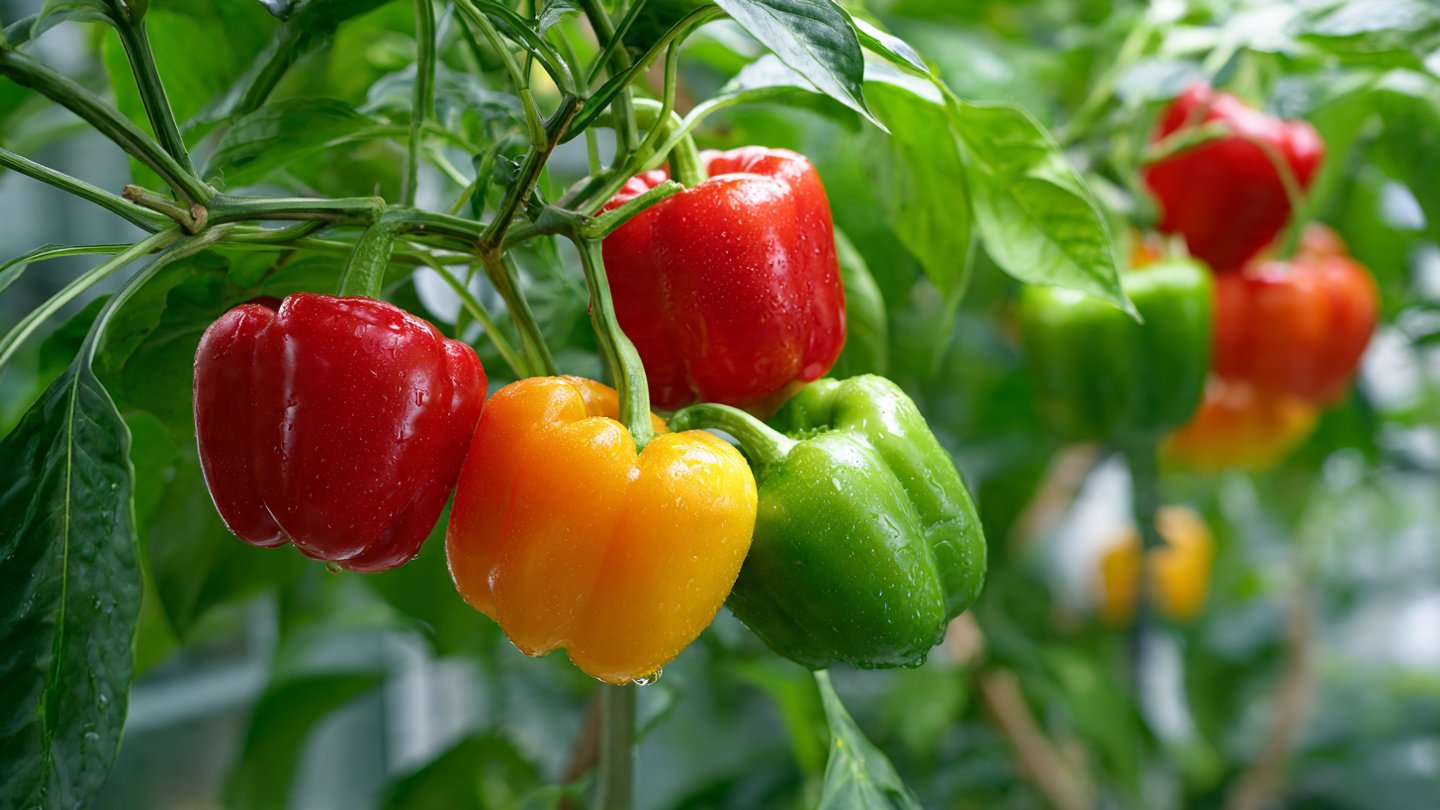
Bell peppers are a versatile and vibrant addition to any home garden, and with the right approach, they can thrive even on a small balcony. While many gardeners assume that peppers require large outdoor spaces, modern urban gardening methods—popular in the US and Europe—show that you can grow healthy, flavorful peppers in containers, pots, or raised balcony beds. With proper care, your balcony can become a productive mini-garden producing crisp, juicy bell peppers for your kitchen.
This comprehensive guide walks you through the steps to grow bell peppers on a balcony, from choosing varieties to harvesting, using practical techniques inspired by experienced gardeners abroad.
Why Grow Bell Peppers on a Balcony?
Balcony gardening allows urban dwellers to enjoy fresh vegetables without a backyard. Growing bell peppers on a balcony offers several advantages:
- Fresh, chemical-free produce – Homegrown peppers are free from pesticides and preservatives.
- Space efficiency – Container gardening maximizes limited space.
- Visual appeal – Bell peppers add color and greenery to urban balconies.
- Cost savings – Growing your own reduces grocery bills over time.
With proper care, balcony-grown peppers can match or even surpass the flavor and quality of store-bought varieties.
Choosing the Right Bell Pepper Varieties
Not all bell peppers are suitable for balcony growing. Select varieties that are compact, productive, and disease-resistant. Popular options include:
- Mini bell peppers – Small and perfect for container cultivation.
- Dwarf varieties – Grow well in pots while producing standard-sized fruit.
- Early maturing varieties – Yield peppers faster in limited growing seasons.
In the US and Europe, urban gardeners often prefer hybrids bred for container gardening, which are more compact and productive.
Selecting Containers and Soil
Bell peppers need space for roots, good drainage, and nutrient-rich soil.
Container recommendations:
- Minimum size: 12–14 inches deep and wide per plant.
- Material: Plastic, clay, or ceramic pots work well, but ensure drainage holes.
- Self-watering pots: Useful for maintaining consistent moisture in hot climates.
Soil tips:
- Use a high-quality potting mix with added compost.
- Maintain slightly acidic to neutral pH (6.0–7.0).
- Mix in perlite or sand to improve drainage.
Well-prepared containers and soil create a healthy foundation for growth and abundant fruiting.
Light Requirements
Bell peppers thrive in full sunlight. On a balcony, ensure they receive:
- At least 6–8 hours of direct sunlight daily
- For limited sun areas, use reflective surfaces or grow lights to supplement
- Rotate containers periodically to ensure even light exposure
Adequate light ensures strong stems, vibrant leaves, and sweeter peppers.
Planting Bell Peppers on a Balcony
Start with healthy seedlings or transplant nursery-bought plants.
Steps:
- Fill the container with prepared soil.
- Create a hole deep enough to accommodate the root ball.
- Gently place the seedling, covering roots with soil and pressing lightly.
- Water thoroughly to settle the soil.
Spacing is important: one plant per container is ideal, though dwarf varieties may tolerate closer planting.
Watering Techniques for Balcony Peppers
Consistent moisture is crucial for bell peppers, but overwatering can cause root rot.
Best practices:
- Water deeply 2–3 times per week or when the top inch of soil feels dry.
- In hot or windy conditions, increase frequency slightly.
- Use mulch to retain moisture and regulate temperature.
- Avoid wetting foliage excessively to prevent fungal issues.
Watering correctly supports healthy growth, flowering, and fruit set.
Fertilization for Growth and Fruit Production
Bell peppers are heavy feeders. Proper fertilization ensures strong growth and high yields.
Fertilization tips:
- Start with a nutrient-rich soil mix containing compost or well-rotted manure.
- Use a balanced NPK fertilizer every 3–4 weeks during growth.
- Switch to a potassium- and phosphorus-rich fertilizer before flowering to boost fruit production.
Organic options like worm castings or compost tea can also provide slow-release nutrients.
Supporting and Training Balcony Pepper Plants
Peppers can become top-heavy with fruit. Supporting stems prevents breakage:
- Use stakes or trellises for stability
- Tie stems loosely with soft ties
- Remove lower leaves to improve airflow and reduce disease risk
Regular pruning encourages bushier growth and more flowers, increasing fruit yield.
Pollination Techniques
Bell peppers are self-pollinating but benefit from hand or natural pollination:
- Gently shake flowers to transfer pollen
- Use a small brush or cotton swab to enhance fruit set
- Encourage pollinators like bees by adding flowering companion plants
Effective pollination improves fruit size, number, and uniformity.
Pest and Disease Management
Even on a balcony, peppers can face pests such as aphids, whiteflies, or spider mites. Common diseases include fungal infections like powdery mildew.
Prevention tips:
- Inspect plants regularly
- Use neem oil or mild organic sprays if necessary
- Maintain good airflow and avoid overcrowding
- Remove any affected leaves promptly
Preventive care ensures your peppers stay healthy and productive.
Harvesting Bell Peppers
Harvesting at the right time encourages continuous production:
- Pick peppers when they reach full size and desired color (green, red, yellow, or orange)
- Use scissors or pruning shears to avoid damaging stems
- Frequent harvesting stimulates more flowering and fruiting
Proper harvesting extends the productive life of your balcony pepper plants.
Seasonal Tips for Balcony Gardening
- Spring and summer: Ideal for most pepper varieties; provide shade during extreme heat.
- Fall: Use containers to move plants indoors if temperatures drop below 15°C.
- Winter: Dwarf or indoor varieties can survive with grow lights and controlled temperatures.
Seasonal management ensures year-round productivity in urban environments.
Companion Planting for Balcony Peppers
Companion plants can enhance growth and deter pests:
- Basil: Improves flavor and repels insects
- Marigolds: Protect against nematodes and pests
- Onions and garlic: Discourage aphids and whiteflies
Strategic companion planting mimics European and US urban gardening practices, improving both yield and plant health.
Final Thoughts
Growing bell peppers on a balcony is not only possible but highly rewarding. By choosing the right varieties, providing nutrient-rich soil, ensuring adequate light and water, and practicing effective pruning and pest control, your container-grown peppers can produce a bountiful harvest.
Inspired by techniques from US and European urban gardens, balcony gardening combines efficiency, sustainability, and practicality. With a few pots, some soil, and consistent care, you can enjoy fresh, homegrown bell peppers year-round, transforming your small space into a vibrant, productive vegetable garden.