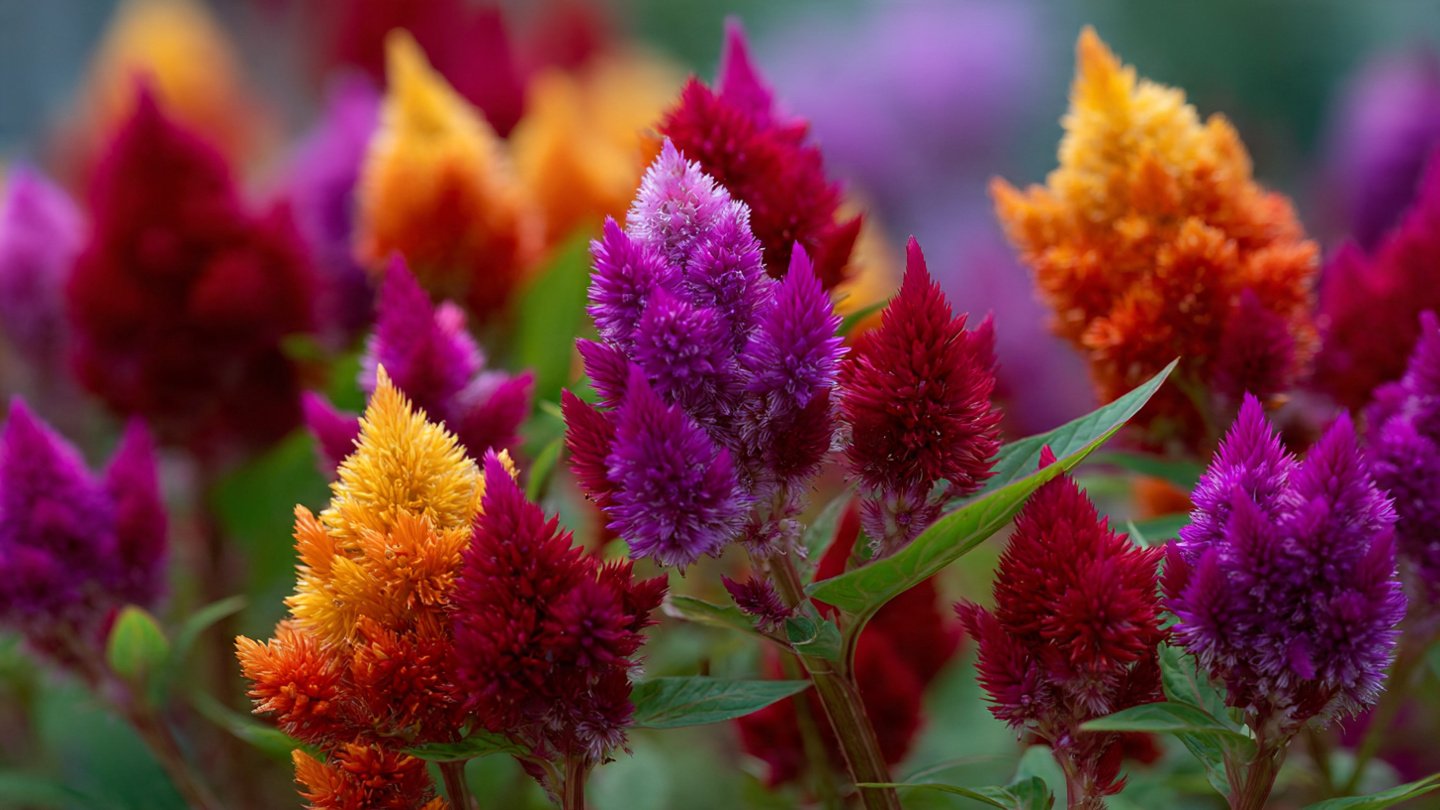
Celosia, often called cockscomb or woolflower, is one of the most eye-catching summer annuals you can grow. With its bold, flame-like plumes and velvety crested blooms in shades of red, yellow, orange, pink, and purple, celosia instantly adds drama and color to any garden space. Best of all, it thrives in hot weather, making it an ideal choice for summer gardens, balconies, and containers.
This detailed guide will walk you through everything you need to know to successfully grow celosia flowers during summer—from seed sowing to care tips—so you can enjoy a vibrant, long-lasting display.
Understanding Celosia: Why It’s Perfect for Summer
Celosia is a heat-loving annual plant that performs exceptionally well when temperatures rise. Unlike many flowering plants that struggle in intense summer heat, celosia flourishes, producing continuous blooms throughout the season.
There are three main types commonly grown:
- Plume celosia – tall, feathery flower spikes
- Crested celosia (cockscomb) – brain-like, velvety blooms
- Spiked celosia – narrow, wheat-like flower heads
All varieties share similar growing requirements, making celosia beginner-friendly and low-maintenance.
Choosing the Right Location
For the most vibrant blooms, celosia needs full sunlight. Choose a spot that receives at least 6–8 hours of direct sun daily. Insufficient light results in weak stems and fewer flowers.
Celosia grows equally well:
- In garden beds
- In pots and containers
- On balconies or terraces
If you live in a region with extremely high summer temperatures, light afternoon shade can help prevent stress, but full sun is generally best.
Soil Requirements for Healthy Growth
Well-draining soil is crucial. Celosia does not tolerate waterlogged conditions, which can lead to root rot.
Ideal soil mix:
- Loose, airy garden soil
- Added compost or well-decomposed organic matter
- A bit of sand or cocopeat to improve drainage
The soil should be fertile but not overly rich in nitrogen, as excess nitrogen promotes leafy growth at the expense of flowers.
How to Grow Celosia from Seeds
Growing celosia from seeds is easy and economical.
Step-by-Step Seed Sowing:
- Timing: Sow seeds in late spring or early summer once temperatures stay above 20°C (68°F).
- Containers or ground: Use seed trays, small pots, or sow directly in garden soil.
- Depth: Sprinkle seeds on the soil surface and lightly cover with a thin layer of soil.
- Watering: Mist gently to keep the soil moist, not soggy.
- Germination: Seeds usually sprout within 7–14 days.
Once seedlings develop 3–4 true leaves, transplant them to their final location, spacing plants about 20–30 cm apart.
Watering: Finding the Right Balance
Celosia prefers moderate watering. Overwatering is one of the most common mistakes gardeners make.
Watering tips:
- Water when the topsoil feels dry
- Avoid daily heavy watering
- Ensure pots have proper drainage holes
During extreme heat, slightly increase watering frequency, but always let excess water drain away.
Feeding and Fertilization
To keep celosia blooming continuously, light feeding is beneficial.
- Use a balanced liquid fertilizer (such as 10-10-10) every 2–3 weeks
- Alternatively, apply vermicompost or compost once a month
- Avoid high-nitrogen fertilizers, which reduce flowering
Organic options are especially effective for steady, healthy growth.
Pinching and Pruning for Bushier Plants
Pinching young celosia plants encourages branching and results in more flower spikes.
- Pinch the top growth when plants are 15–20 cm tall
- Remove spent flowers regularly (deadheading)
- This redirects energy into producing new blooms
Regular pruning also keeps plants compact and visually appealing.
Pest and Disease Management
Celosia is generally pest-resistant, but occasional problems can occur.
Common issues:
- Aphids or spider mites during dry weather
- Fungal diseases due to overwatering
Prevention tips:
- Maintain good air circulation
- Avoid wetting leaves while watering
- Use neem oil or mild soap spray if pests appear
Healthy growing conditions are usually enough to keep problems away.
Growing Celosia in Pots and Containers
Celosia performs exceptionally well in containers, making it perfect for small spaces.
Container tips:
- Choose pots at least 8–10 inches deep
- Use lightweight, well-draining potting mix
- Place containers in sunny locations
Bright celosia varieties combined in one pot create a stunning visual effect for balconies and patios.
Saving Seeds for Next Season
Celosia seeds are easy to save.
- Allow flowers to dry fully on the plant
- Cut the dried flower heads
- Gently crush them to collect seeds
- Store seeds in a cool, dry place
This allows you to grow celosia year after year at no extra cost.
Final Thoughts
Growing celosia summer flowers is one of the easiest ways to add bold color and texture to your garden. With minimal care, plenty of sunlight, and proper watering, celosia rewards you with long-lasting, vibrant blooms that thrive even in intense heat. Whether planted in garden beds or decorative pots, celosia is a reliable choice for creating a cheerful, eye-catching summer garden.