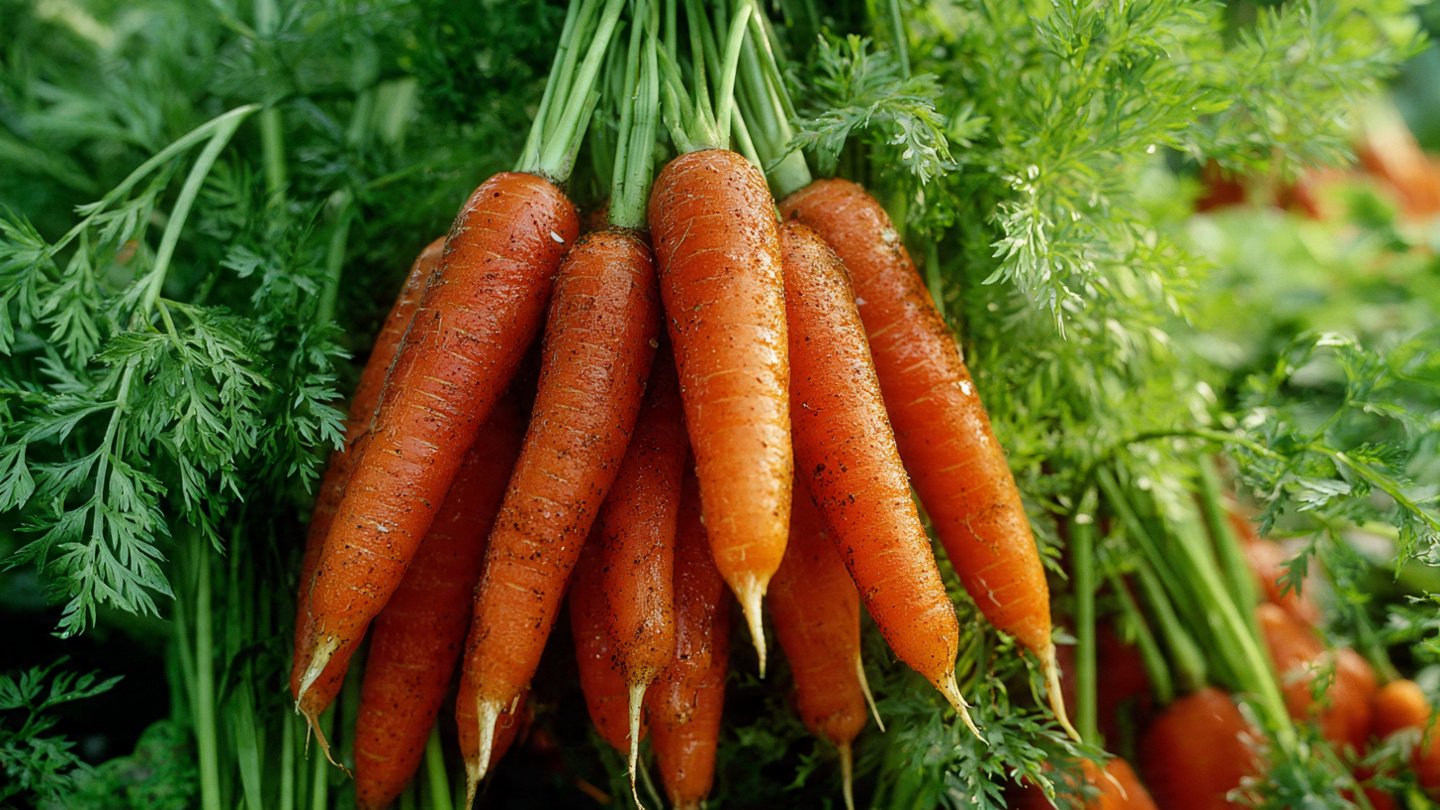
Carrots are a staple in kitchens worldwide, loved for their crisp texture, natural sweetness, and versatility in cooking. While store-bought carrots are convenient, growing your own at home is far more rewarding. Freshly harvested carrots are tender, nutrient-rich, and completely free from unnecessary chemicals. With the right approach, you can enjoy clean, delicious carrots every season straight from your garden or even from containers on your balcony.
Whether you’re a beginner gardener or an experienced home grower, this guide will show you how to grow carrots at home very simply, ensuring a steady supply of fresh, healthy roots all year long.
Why Growing Carrots at Home Is Worth It
Homegrown carrots offer several advantages over store-bought varieties:
- Freshness: Crisp and flavorful, harvested when ready.
- Nutrient-rich: Higher vitamin and mineral content than store-bought carrots.
- Chemical-free: Grow without pesticides or preservatives.
- Cost-effective: Save money while growing a healthy snack.
- Fun and educational: Great for families and kids learning about gardening.
Carrots are also surprisingly easy to grow when you follow a few simple techniques, making them ideal for any garden space.
Choosing the Right Carrot Variety
Not all carrots grow the same, and selecting the right variety ensures success.
Popular Carrot Types for Home Gardens:
- Danvers: Classic orange, perfect for all-season planting.
- Nantes: Sweet, cylindrical, and tender; grows well in containers.
- Imperator: Long, tapered, and ideal for deep soil.
- Chantenay: Shorter, ideal for shallow or clay soils.
Choosing the correct type for your soil and container depth helps prevent misshapen roots and maximizes yield.
Preparing the Soil for Planting
Carrots are root vegetables, so soil preparation is crucial. They need loose, well-draining soil to grow straight and healthy.
Steps to Prepare Carrot Soil:
- Remove stones, debris, and clumps that can hinder root growth.
- Loosen soil to at least 12 inches deep for longer varieties.
- Mix in compost or organic matter to provide nutrients.
- Ensure soil is slightly sandy or light; heavy clay may produce short, forked roots.
Proper soil preparation is the foundation of clean, straight carrots.
Planting Carrots: Seeds or Transplants?
Carrots are typically grown from seeds, which are inexpensive and widely available.
How to Plant Carrot Seeds:
- Sow seeds ¼–½ inch deep in rows or containers.
- Space seeds 2–3 inches apart.
- Keep soil consistently moist until germination.
- Thin seedlings to avoid overcrowding once they sprout.
Thinning ensures roots have enough room to grow long and straight.
Watering and Sunlight Needs
Carrots require steady moisture and sunlight to grow properly.
Watering Tips:
- Keep soil evenly moist, especially during germination.
- Avoid overwatering, which can cause rot.
- Use mulch to retain moisture and regulate soil temperature.
Sunlight Requirements:
- Carrots grow best in full sun (6–8 hours daily).
- They can tolerate partial shade, but growth may slow.
Consistent water and light help produce tender, flavorful roots.
Fertilizing for Healthy Growth
Carrots are not heavy feeders, but nutrient-rich soil encourages uniform growth.
Fertilizing Tips:
- Add compost before planting for slow-release nutrients.
- Use a low-nitrogen fertilizer; too much nitrogen produces lush foliage but poor roots.
- Side-dress with organic liquid fertilizer halfway through the growth period.
Balanced feeding ensures both healthy greens and well-developed roots.
Managing Pests and Diseases
Carrots are generally hardy, but some pests and diseases can affect growth.
Common Issues:
- Carrot flies: Lay eggs near roots; larvae damage carrots.
- Aphids: Feed on leaves, weakening the plant.
- Fungal diseases: Cause spots or rot in overly wet soil.
Natural Control Methods:
- Use floating row covers to protect against carrot flies.
- Encourage beneficial insects like ladybugs.
- Avoid overwatering to reduce fungal problems.
Healthy, well-spaced plants are naturally more resistant to pests and diseases.
When and How to Harvest Carrots
Timing your harvest ensures the best flavor and texture.
Signs Carrots Are Ready:
- Tops protrude slightly above the soil.
- Roots reach the expected size for the variety (e.g., 6–8 inches for Nantes).
- Leaves remain green and healthy.
Harvesting Tips:
- Loosen soil gently with a fork before pulling roots.
- Pull carrots carefully to avoid breaking.
- Wash immediately or store in cool, damp conditions.
Carrots harvested at peak maturity are sweeter and crunchier than overgrown or neglected roots.
Seasonal Growing Tips
One of the advantages of carrots is that you can grow them in almost every season with a few adjustments:
- Spring/Summer: Sow early for a late-summer harvest. Use partial shade in hot climates.
- Fall/Winter: Use cold frames or containers in warmer microclimates. Carrots tolerate light frost, which can enhance sweetness.
- Year-Round: In containers or raised beds, rotate sowing every few weeks for continuous harvest.
This ensures that fresh carrots are always available, eliminating the need to buy them.
Storage for Clean, Long-Lasting Carrots
Proper storage prolongs freshness:
- Remove green tops before storing.
- Store in cool, moist conditions (root cellar or refrigerator).
- Use perforated bags or containers to maintain humidity.
With good storage, homegrown carrots can last several weeks, keeping them crisp and sweet.
Common Mistakes to Avoid
To enjoy consistent, high-quality harvests, avoid these errors:
- Planting in compacted or rocky soil.
- Overcrowding seedlings.
- Allowing soil to dry out during early growth.
- Neglecting pests or disease.
- Harvesting too early, resulting in small, underdeveloped roots.
Correcting these mistakes ensures straight, tender carrots every time.
Final Thoughts: Enjoy Clean Carrots All Year
Growing carrots at home is simple, cost-effective, and satisfying. By selecting the right variety, preparing soil properly, planting at the correct spacing, and caring for the plants consistently, you can enjoy clean, flavorful carrots every season.
Not only do homegrown carrots taste far better than supermarket versions, but the process is also rewarding, educational, and sustainable. With a little planning, patience, and the tips above, you’ll have fresh, nutritious carrots available for your kitchen all year long.