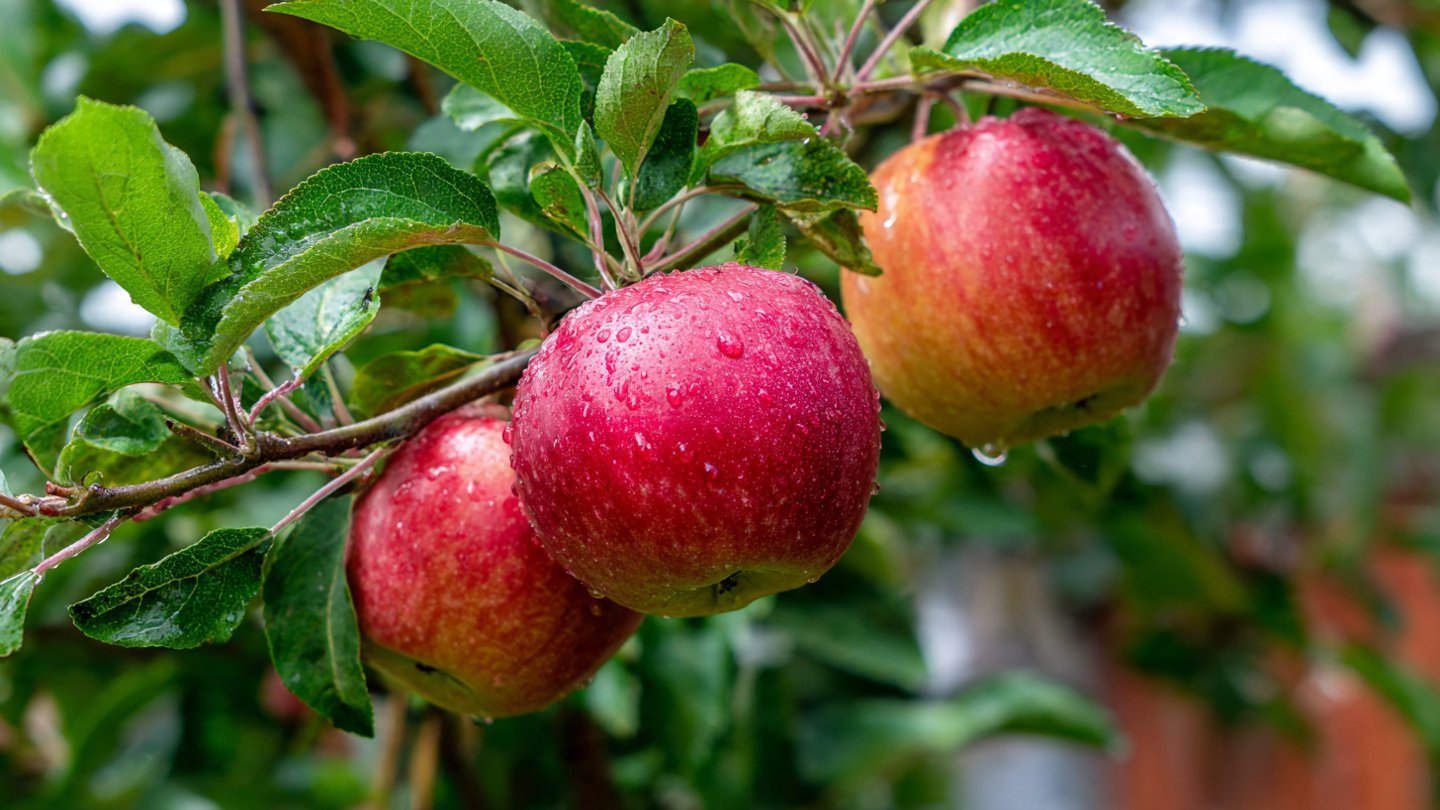
Growing an apple tree at home is a rewarding experience for beginners and seasoned gardeners alike. Nothing beats the satisfaction of planting a tiny sapling and watching it grow into a mature tree, eventually producing crisp, juicy apples. While it may seem daunting at first, with the right guidance and care, anyone can cultivate an apple tree at home—even in small spaces or containers.
This comprehensive guide will walk you through everything you need to know, step by step, to successfully grow an apple tree at home.
Understanding Apple Trees
Apple trees (Malus domestica) are deciduous fruit trees that produce one of the most popular fruits in the world. They thrive in temperate climates with cold winters, which are essential for proper dormancy and fruit development. Understanding the growth requirements of apple trees is the first step in successful home cultivation.
Key characteristics of apple trees:
- Lifespan: Apple trees can live for decades with proper care.
- Size: Depending on the variety, they can range from dwarf (6–10 feet) to standard (20–25 feet).
- Pollination: Most apple varieties require cross-pollination from another compatible apple tree for fruit production.
- Climate: They prefer cold winters and moderate summers.
For beginners, choosing the right variety and rootstock can make growing an apple tree easier and more productive.
Step 1: Choosing the Right Apple Variety
Selecting a suitable apple variety is critical for home gardening. Consider factors like climate, space, and purpose (fresh eating, cooking, or cider).
Recommended beginner-friendly varieties:
- Dwarf or Semi-Dwarf Varieties: Ideal for small gardens or containers. Examples: ‘Gala,’ ‘Fuji,’ ‘Honeycrisp.’
- Cold-Hardy Varieties: Suitable for areas with harsh winters. Examples: ‘Honeycrisp,’ ‘McIntosh.’
- Disease-Resistant Varieties: Easier to maintain with minimal chemical treatments. Examples: ‘Liberty,’ ‘Enterprise.’
Choosing a dwarf variety is particularly advantageous for beginners, as these trees are easier to prune, harvest, and manage.
Step 2: Selecting a Planting Location
Apple trees require the right location to grow healthy and produce fruit. Key considerations include:
- Sunlight: Apple trees need at least 6–8 hours of direct sunlight per day.
- Soil: Well-drained, loamy soil with a pH of 6.0–7.0 is ideal. Avoid waterlogged areas.
- Space: Ensure adequate spacing—dwarf trees: 8–10 feet apart; standard trees: 15–20 feet apart.
- Air Circulation: Good airflow prevents fungal diseases and ensures healthy growth.
Choosing the right location sets the foundation for a strong, productive apple tree.
Step 3: Choosing Between Seed or Sapling
Apple trees can be grown from seeds or young saplings. However, beginners are generally advised to use saplings, as they grow faster and produce fruit sooner.
- Saplings: Purchased from nurseries, these trees are usually grafted onto rootstocks for disease resistance and size control.
- Seeds: Growing from seeds is possible but takes longer, and the resulting tree may not resemble the parent variety.
For quick results and higher success rates, buying a healthy sapling is the preferred option for home gardeners.
Step 4: Preparing the Soil
Healthy soil is critical for root development and long-term growth. Follow these steps to prepare your soil:
- Clear the area of weeds, rocks, and debris.
- Dig a hole twice as wide and deep as the root ball of your sapling.
- Mix in organic compost or well-rotted manure to improve fertility and soil structure.
- Ensure the hole drains well to prevent root rot.
Proper soil preparation ensures the tree establishes strong roots and receives essential nutrients.
Step 5: Planting the Apple Tree
Planting correctly ensures a strong start for your apple tree:
- Remove the sapling from its container and gently loosen the roots.
- Place the tree in the center of the hole at the same depth it was growing in the pot.
- Fill the hole with soil, pressing gently to eliminate air pockets.
- Water thoroughly to settle the soil around the roots.
- Apply a 2–3 inch layer of mulch around the base to retain moisture and regulate soil temperature, but keep mulch away from the trunk to prevent rot.
Proper planting encourages root establishment and healthy initial growth.
Step 6: Watering and Care
Apple trees require consistent watering, especially during their first few years:
- Young trees: Water deeply once or twice a week, depending on rainfall.
- Established trees: Water during dry spells to support flowering and fruiting.
- Soil moisture: Keep soil evenly moist but not waterlogged.
Regular watering encourages root growth and supports the development of strong branches.
Step 7: Fertilizing Your Apple Tree
Fertilization helps apple trees grow vigorously and produce abundant fruit:
- First-year trees: Use a balanced, slow-release fertilizer in early spring.
- Established trees: Apply nitrogen-rich fertilizer in spring to encourage leafy growth, and potassium-rich fertilizer in summer to improve fruit quality.
- Avoid over-fertilizing, which can lead to excessive foliage growth at the expense of fruit.
Organic options like composted manure or seaweed extract can also enhance soil fertility naturally.
Step 8: Pruning and Training
Pruning is essential for apple trees to develop a strong structure and maximize sunlight exposure:
- Young trees: Focus on shaping the tree and removing damaged or crossing branches.
- Mature trees: Prune annually to remove dead wood, thin crowded branches, and improve airflow.
- Training: Use stakes to support young trees and encourage upright growth.
Proper pruning enhances fruit production and reduces the risk of disease.
Step 9: Pollination
Most apple varieties require cross-pollination to produce fruit. This means you may need another compatible apple tree nearby:
- Compatible varieties: Check for flowering times and pollen compatibility.
- Bee activity: Encourage pollinators by planting flowers nearby or avoiding pesticides during bloom.
- Self-pollinating varieties: Some apples, like ‘Granny Smith’ and ‘Golden Delicious,’ can produce fruit without a second tree.
Ensuring proper pollination increases fruit set and quality.
Step 10: Pest and Disease Management
Apple trees are susceptible to pests and diseases like aphids, codling moths, apple scab, and powdery mildew.
Prevention and management tips:
- Inspect trees regularly for signs of pests or disease.
- Remove infected leaves and fruits to prevent spread.
- Use organic insecticides or neem oil if necessary.
- Maintain good airflow by pruning crowded branches.
- Rotate mulch and clean fallen leaves to reduce fungal infections.
Healthy trees with proper care are more resilient and produce better fruit.
Step 11: Harvesting Apples
Harvesting at the right time ensures the best flavor and texture:
- Apples are typically ready 2–6 months after flowering, depending on the variety.
- Signs of ripeness: fruit color develops fully, and apples come off easily when twisted.
- Taste-testing is the most reliable way to determine readiness.
Regular harvesting encourages the tree to produce more fruit the following season.
Step 12: Container Growing for Limited Spaces
For those with limited outdoor space, apple trees can be grown in containers:
- Use large pots (at least 15–20 gallons) with drainage holes.
- Select dwarf varieties for easier management.
- Ensure frequent watering as container soil dries faster.
- Provide fertilizer and prune regularly to maintain size and shape.
Container growing allows urban gardeners to enjoy fresh apples even in apartments or small balconies.
Advantages of Growing Apple Trees at Home
- Fresh, organic fruit: Control what goes on your tree.
- Cost savings: Avoid buying apples from stores.
- Aesthetic appeal: Blossoms enhance garden beauty.
- Learning experience: Observe growth cycles and develop gardening skills.
- Environmental benefits: Trees absorb carbon dioxide and provide shade.
Growing an apple tree is not just about fruit—it’s an investment in a healthier, greener home environment.
Tips for Success
- Choose the right variety: Match your climate and space constraints.
- Start with a healthy sapling: Increases success and reduces time to fruiting.
- Maintain soil fertility: Use compost and organic fertilizers.
- Water consistently: Young trees need regular moisture.
- Prune annually: Promotes healthy structure and fruiting.
- Protect from pests: Monitor regularly and act quickly if problems arise.
Consistent care ensures your apple tree thrives for years.
Conclusion
Growing an apple tree at home is a fulfilling journey that brings beauty, greenery, and delicious fruit to your space. By following this step-by-step guide—from choosing the right variety, planting, and watering to pruning, pollination, and harvesting—beginners can cultivate a thriving apple tree with confidence.
Patience is key, as apple trees may take a few years to produce substantial fruit. However, with proper care, attention to detail, and commitment, your apple tree will flourish, providing fresh, nutritious apples for years to come.
Whether you have a backyard, raised bed, or container, growing an apple tree at home is an achievable goal that rewards you with greenery, blooms, and the satisfaction of homegrown fruit.