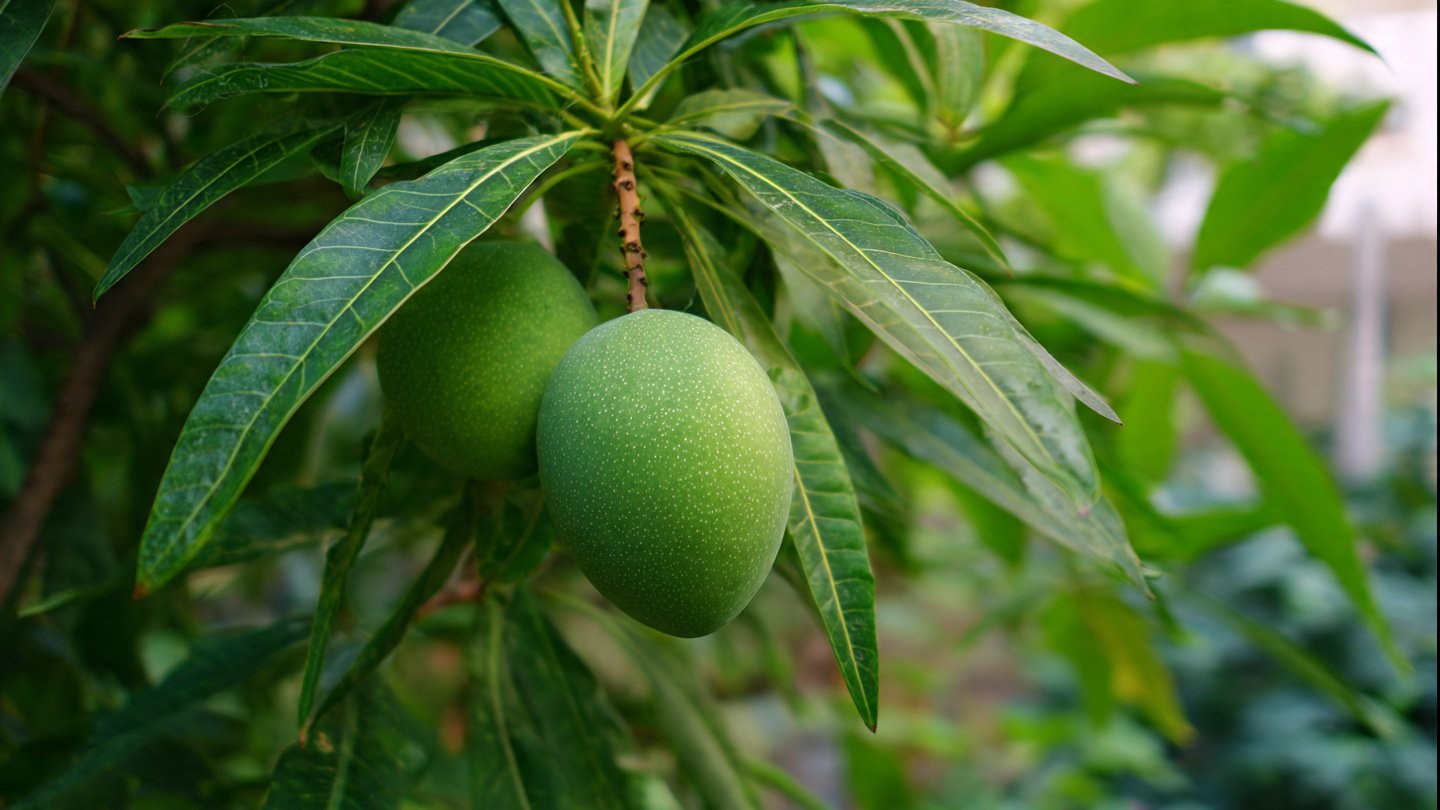
Mangoes, often referred to as the “king of fruits,” are cherished worldwide for their juicy sweetness, tropical aroma, and nutritional benefits. Many gardening enthusiasts dream of growing a mango tree at home, but not everyone has access to seeds, saplings, or fertile soil. Among the myriad DIY gardening hacks circulating online, one unusual method has gained attention: growing a mango tree using an egg. This concept blends curiosity, creativity, and, sometimes, myths. In this article, we’ll explore the science behind this method, debunk misconceptions, and guide you through the right way to grow a healthy mango tree—egg optional!
The Myth of Growing Mangoes with an Egg
The idea of using an egg to grow a mango tree is one of those intriguing gardening hacks that sounds too good to be true. Proponents claim that by placing a mango seed inside an egg—sometimes with the shell intact, sometimes broken—and then burying it in soil, the seed will absorb nutrients from the egg and grow faster.
Common claims include:
- Eggs provide calcium and protein, promoting faster germination.
- The organic matter from the egg boosts seedling growth.
- The shell acts as a natural container and protective barrier for the seed.
While these ideas are interesting, science tells a more nuanced story.
The Science Behind the Egg Trick
- Nutrient Supply
Eggs contain proteins, calcium, and minerals, which are vital for plants—but these nutrients are mostly in the egg white and yolk. While they can enrich soil when decomposed, a whole egg buried with a mango seed is not necessary for germination. Seeds already contain enough nutrients in the cotyledon (the seed’s internal food storage) to germinate successfully. - Seed Germination Requirements
Mango seeds need moisture, warmth, and air to sprout. Placing a seed inside an egg does not significantly improve these conditions. In fact, a sealed or buried egg could trap too much moisture, leading to mold, rot, or even killing the seed. - Calcium Benefits
Calcium is important for healthy root and cell development. Using crushed eggshells around a seed can slightly enrich the soil, but the egg itself is not magical. The same effect can be achieved with compost, well-balanced soil, or garden fertilizer.
In short, while the egg may add a small amount of nutrients, it is not essential for growing a mango tree. Fast and successful germination depends more on proper soil, moisture, and seed care.
The Right Way to Grow a Mango Tree from Seed
Whether you choose to experiment with the egg method or not, following these steps ensures a healthy mango sapling.
1. Choosing the Right Seed
- Remove the seed from a ripe mango fruit.
- Wash the outer pulp thoroughly.
- Mango seeds can be either monocotyledonous (one cotyledon) or polyembryonic (multiple embryos). Polyembryonic seeds often produce a clone of the parent tree, which is ideal for consistent fruit quality.
2. Preparing the Seed
- Option 1: Traditional Germination
- Carefully remove the hard outer husk of the mango seed to expose the inner kernel.
- Wrap it in a damp paper towel, place it in a plastic bag, and keep it warm and moist. Germination usually occurs in 2–3 weeks.
- Option 2: Egg Method Experiment
- Use a boiled egg (shell intact or partially cracked) as a nutrient-rich medium.
- Place the seed inside the hollowed-out egg or use crushed eggshells in soil around the seed.
- Keep the egg buried in moist, well-draining soil.
While this method is fun for experimentation, the traditional germination method is more reliable.
3. Planting the Seed
- Use a pot or seed tray with well-draining soil.
- Plant the sprouted seed 2–3 inches deep in loose, fertile soil.
- Maintain a warm temperature (around 25–30°C / 77–86°F).
- Keep the soil consistently moist, but avoid waterlogging.
4. Light and Temperature
- Mango seedlings thrive in bright, indirect sunlight initially.
- After sprouting, gradually acclimate the plant to full sun.
- Avoid exposing young seedlings to frost or sudden temperature drops, which can stunt growth.
5. Watering Practices
- Keep soil consistently damp but not soggy.
- Young mango seedlings are sensitive to overwatering, which can cause root rot.
- Water deeply but less frequently once roots are established.
Caring for Young Mango Seedlings
1. Fertilization
- Use a balanced fertilizer with nitrogen, phosphorus, and potassium.
- Young seedlings benefit from organic fertilizers like compost tea, diluted fish emulsion, or well-rotted manure.
- Avoid over-fertilizing, which can burn tender roots.
2. Pruning
- Prune the seedling lightly to encourage bushy growth and strong branching.
- Remove weak or damaged leaves to focus energy on healthy growth.
3. Transplanting
- Once the seedling reaches 6–12 inches tall, it can be transplanted to a larger pot or garden bed.
- Choose a sunny, well-drained location with ample space for roots.
- Gradually harden off the plant by exposing it to outdoor conditions for a few hours daily before permanent planting.
Common Mistakes to Avoid
- Using a Raw Egg Whole:
- Burying an entire raw egg can cause the mango seed to rot due to excess moisture and microbial growth.
- Neglecting Drainage:
- Mango seeds need air and moisture balance. Waterlogged soil leads to fungal infections.
- Planting Too Deep:
- Seeds planted too deep struggle to break through the soil, slowing germination.
- Ignoring Temperature Needs:
- Cold soil slows germination; a warm, stable environment is crucial.
- Over-Fertilizing Young Seedlings:
- Excess nutrients can damage delicate roots. Start with light feeding.
Fun Egg Experiment: Optional Approach
If you want to try the egg method for curiosity or educational purposes, follow these safe practices:
- Use a boiled egg with a cracked shell or a hollowed-out egg shell rather than a raw egg.
- Place a sprouted mango seed inside the shell.
- Mix the shell into the soil rather than burying it whole. This prevents rot while adding calcium and organic matter.
- Monitor moisture closely; avoid overwatering.
This method allows you to explore gardening creativity without risking seed loss.
Long-Term Care and Fruiting
Mango trees are slow-growing but rewarding:
- Growth Timeline: From seed, a mango tree may take 3–6 years to produce fruit. Grafted saplings bear fruit faster, sometimes within 2–3 years.
- Pruning: Regular pruning shapes the tree and promotes airflow, reducing disease risks.
- Fertilization: Mature trees benefit from nitrogen-rich fertilizers during growth and potassium-rich fertilizers during flowering.
- Pest Management: Watch for aphids, mealybugs, and fungal infections. Use organic solutions whenever possible.
Patience and consistent care ensure healthy growth and a bountiful harvest.
Conclusion
Growing a mango tree using an egg may sound fascinating, but it is mostly a myth with limited scientific support. While eggshells or composted egg matter can provide minor nutrients, they are not essential for germination. The true secrets to successful mango cultivation lie in quality seeds, warm soil, proper moisture, good drainage, and patient care.
For those seeking a fun experiment, the egg method can be a creative way to engage with gardening, but for reliable growth and fruit production, following traditional germination and care practices is the best approach. By understanding both the myths and the science, you can enjoy the rewarding journey of growing your own mango tree and eventually harvesting your very own “king of fruits.”