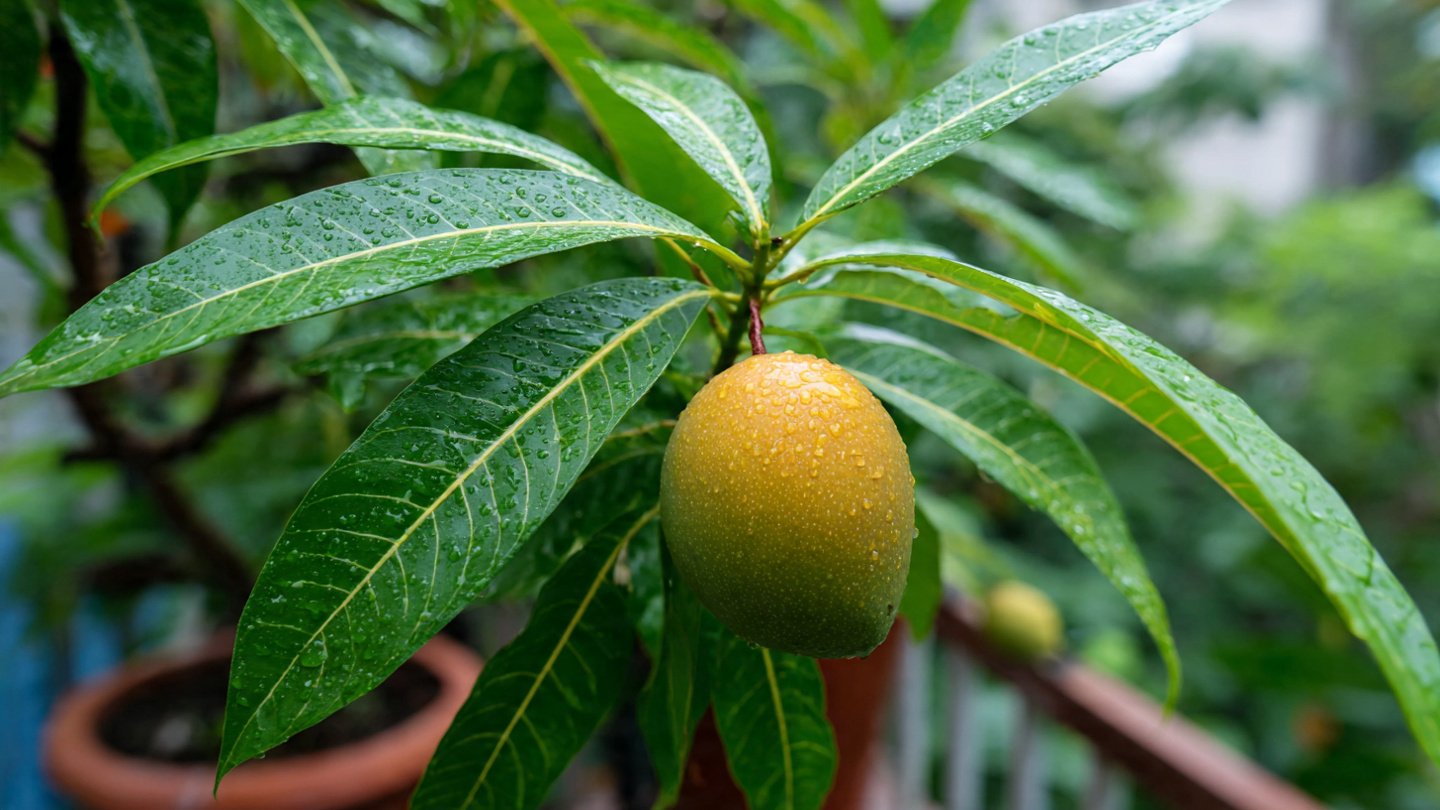
Mangoes are often called the “king of fruits” for a reason—their juicy, sweet flesh and tropical aroma make them a favorite in kitchens and gardens alike. Growing a mango tree can be a rewarding experience, whether you have a backyard, terrace, or even a large container garden. But recently, a curious gardening tip has been circulating: using an egg and Coca-Cola to grow a mango tree. This unusual method promises faster growth, stronger roots, and healthier seedlings, but is it fact or fiction? In this guide, we’ll explore the science behind the claim, discuss proper mango cultivation techniques, and separate myth from practical gardening hacks.
Understanding Mango Tree Growth
Before diving into unconventional methods, it’s essential to understand the basics of mango tree propagation. Mango trees (Mangifera indica) are tropical evergreens that thrive in warm climates. They can grow from seeds, grafted saplings, or nursery-bought plants. Key requirements for a healthy mango tree include:
- Warm temperatures: Mango trees grow best in tropical and subtropical regions with temperatures between 24–30°C (75–86°F).
- Sunlight: At least 6–8 hours of direct sunlight per day is essential.
- Well-draining soil: Mango trees dislike waterlogged conditions. Sandy loam with organic matter works best.
- Regular watering: Young trees need frequent watering, while mature trees tolerate some drought.
- Fertilization: Nutrient-rich soil encourages strong growth, flowering, and fruiting.
Understanding these fundamentals is key before attempting any alternative methods.
The Egg and Coca-Cola Method Explained
The idea behind using an egg and Coca-Cola for mango propagation combines two unusual components:
- The Egg
- Eggs are rich in calcium, phosphorus, and protein, nutrients essential for strong root development.
- Some gardeners claim that burying a mango seed with an egg accelerates root growth and strengthens the seedling.
- Coca-Cola
- Coca-Cola contains sugar, acids, and trace minerals.
- The theory is that pouring a small amount of Coke near the seed provides an energy boost, encouraging faster germination and growth.
While these claims sound intriguing, it’s important to examine the science.
Myth vs. Reality
- The Egg: There is some merit to using eggshells or crushed eggs around plants. Eggshells are high in calcium, which strengthens plant cell walls and prevents blossom-end rot in fruiting plants. However, burying a whole egg may attract pests and bacteria, potentially harming the seed rather than helping it.
- Coca-Cola: While sugar can theoretically feed microbes in the soil, Coca-Cola also contains phosphoric acid and caffeine, which can alter soil pH and harm sensitive seedlings. Excess sugar can also attract ants, rodents, and mold.
In short, while the egg and Coca-Cola method may provide nutrients, it carries risks, and results are highly inconsistent. Most horticulturists consider it a myth rather than a proven gardening hack.
A Safer Alternative Using Eggshells
If you want to experiment with eggs for your mango seed, a safer and more effective approach is:
- Crush eggshells and mix them into the soil near the seed.
- The calcium slowly dissolves, strengthening roots without attracting pests.
- Combine with regular organic fertilizer or compost for a balanced nutrient supply.
This method captures the beneficial aspect of the egg without the risks associated with burying a whole egg.
How to Properly Grow a Mango Tree from Seed
Even without Coca-Cola, you can grow a healthy mango tree from seed using standard techniques. Here’s a step-by-step guide:
Step 1: Extract and Clean the Seed
- Remove the seed from a ripe mango.
- Wash off any fruit pulp completely.
- Let the seed dry for 1–2 days in a shaded, well-ventilated area.
Step 2: Prepare the Seed for Germination
- Optional: Soak the seed in water for 24 hours to soften the seed coat and accelerate sprouting.
- Some gardeners also remove the hard shell carefully to expose the inner kernel.
Step 3: Choose the Planting Medium
- Use a mix of potting soil and sand or perlite to ensure good drainage.
- Fill a pot or small container with this mixture.
Step 4: Plant the Seed
- Place the seed horizontally or slightly upright, with the convex side up.
- Cover lightly with soil, leaving the top slightly exposed.
- Water gently to settle the soil.
Step 5: Provide Optimal Conditions
- Sunlight: Place the container in a bright, sunny spot.
- Temperature: Maintain 24–30°C for faster germination.
- Watering: Keep soil moist but not waterlogged.
- Humidity: Covering with a clear plastic bag can create a greenhouse effect, improving germination rates.
Step 6: Germination
- Mango seeds typically sprout in 2–4 weeks.
- Once a seedling emerges, gradually remove any cover to acclimate the plant to open air.
Nurturing Your Young Mango Seedling
Once your seedling develops 2–3 true leaves, focus on growth and root development:
- Transplanting: Move the seedling to a larger pot or directly to the garden once it is strong enough.
- Fertilization: Use a balanced, slow-release fertilizer for young trees. Organic options like compost or worm castings are ideal.
- Watering: Maintain consistent moisture without overwatering. Drip irrigation or soaker hoses work well.
- Support: Young mango trees may benefit from a stake to protect the stem from wind damage.
When and How to Fertilize
- First year: Fertilize lightly every 6–8 weeks with a balanced 10-10-10 NPK fertilizer.
- Second year onwards: Increase phosphorus and potassium to encourage flowering and fruiting.
- Micronutrients: Include magnesium, calcium, and zinc if soil tests show deficiencies.
Fertilization is far more effective than Coca-Cola, which contains sugar but little of the nutrients required for long-term growth.
Flowering and Fruit Production
Mango trees grown from seed may take 3–6 years to produce fruit, depending on variety and climate.
- Pruning: Shape the tree to promote strong branching and airflow. Remove dead or weak stems.
- Pollination: Mango flowers are self-fertile but benefit from insect activity for better fruit set.
- Pest and disease management: Watch for aphids, mealybugs, and powdery mildew. Organic sprays or neem oil are effective.
Key Takeaways: Myth or Gardening Hack?
- The egg and Coca-Cola method is more myth than science. Whole eggs can attract pests, and Coca-Cola’s acidity and sugar can harm seedlings.
- The beneficial aspect of eggshells can be used safely to provide calcium and encourage strong roots.
- Standard mango propagation techniques—from seed preparation to fertilization, watering, and pruning—are more reliable for growing healthy, productive trees.
In short, while the egg and Coke story is fun and intriguing, gardeners are better off sticking with proven methods supplemented with organic nutrients.
Conclusion
Growing a mango tree is a rewarding journey that requires patience, care, and proper technique. While the idea of using an egg and Coca-Cola may sound like a quick hack, it is mostly a myth with limited scientific support. However, there are safer ways to achieve similar benefits, such as using crushed eggshells, organic fertilizers, and careful soil management.
By starting with a healthy seed, providing the right soil, sunlight, and water, and nurturing the seedling through proper fertilization and pruning, you can successfully grow a vibrant mango tree that will produce sweet, juicy fruits in a few years. The key is patience, consistency, and attention to detail, not soda and whole eggs.
Whether you’re an urban gardener experimenting with unique hacks or a traditional grower seeking a reliable method, understanding the science behind mango propagation ensures the best results—and a tree that will reward your care with luscious fruits for years to come.