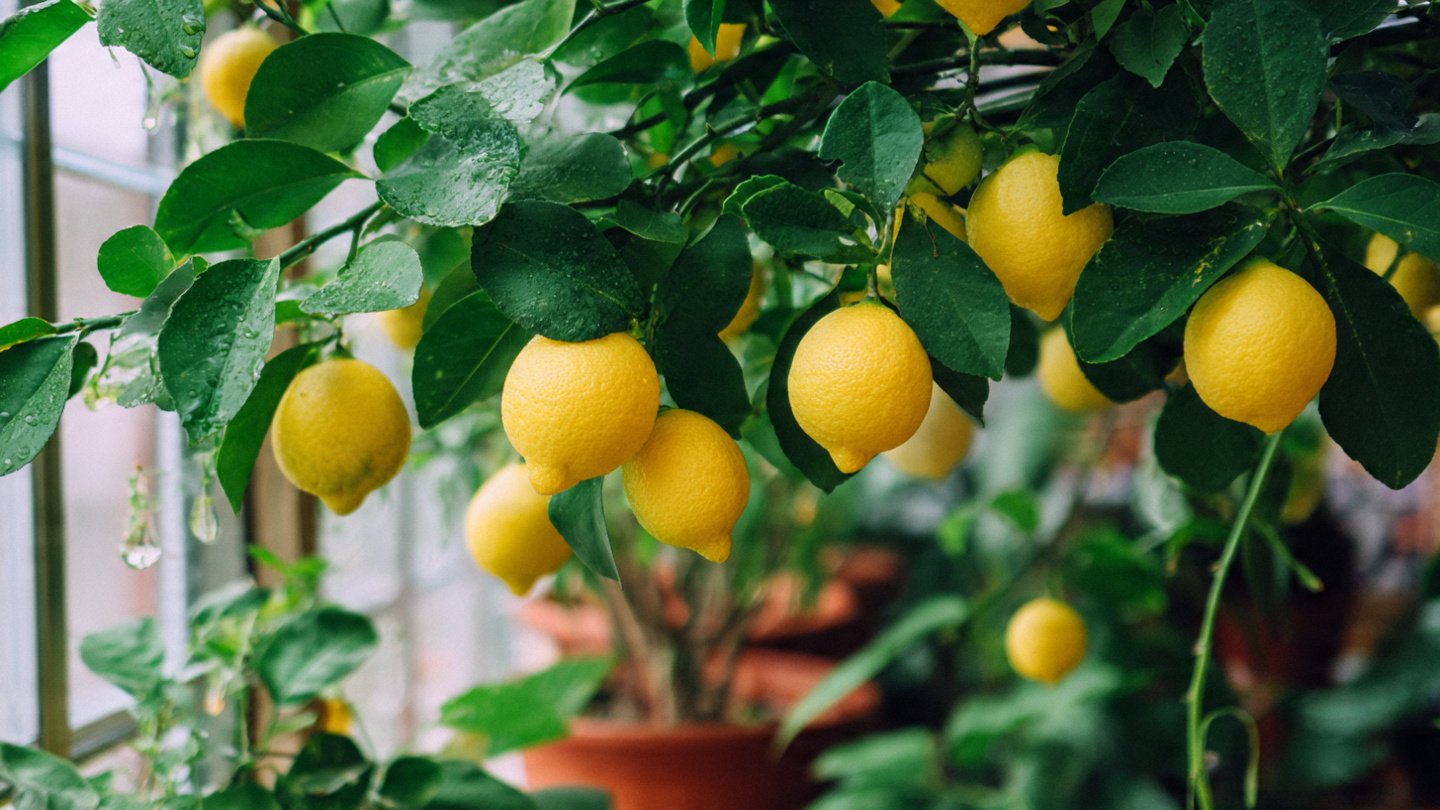
The Jamun tree (Syzygium cumini), also known as Indian Blackberry, is a tropical fruit tree valued for its sweet, slightly tangy fruit and medicinal properties. While full-sized Jamun trees can reach impressive heights and require substantial space, dwarf varieties are perfect for home gardens, balconies, and small spaces. Dwarf Jamun trees combine the benefits of edible fruit, ornamental appeal, and manageable size, making them an ideal addition for urban gardeners or those seeking compact fruit trees.
This comprehensive guide provides detailed steps, tips, and techniques for successfully cultivating a dwarf Jamun tree, ensuring healthy growth and bountiful harvests in limited spaces.
Why Choose a Dwarf Jamun Tree?
Dwarf Jamun trees offer numerous advantages over their full-sized counterparts:
- Compact growth: Reaches a manageable height of 6–8 feet, suitable for home gardens and container cultivation.
- Early fruiting: Often produces fruit within 2–3 years compared to 7–10 years for full-sized trees.
- Easy maintenance: Pruning, watering, and harvesting are simplified.
- Ornamental value: Evergreen foliage and elegant branching add beauty to gardens.
Growing a dwarf Jamun tree allows you to enjoy fresh fruit and medicinal benefits without requiring extensive space or resources.
Selecting the Right Variety
Choosing the right variety is critical for successful cultivation:
- Dwarf cultivars: Look for named dwarf varieties or grafted plants from nurseries.
- Grafted vs. seed-grown: Grafted dwarf Jamun trees ensure uniformity, faster fruiting, and better fruit quality.
- Climate adaptability: Select varieties suited to your local climate; Jamun thrives in tropical and subtropical regions.
Selecting the appropriate variety sets the stage for strong growth, consistent flowering, and quality fruit.
Choosing the Planting Site
Jamun trees, even dwarf varieties, require proper placement for healthy growth:
- Sunlight: Full sun for at least 6–8 hours per day promotes flowering and fruiting.
- Soil: Well-drained, loamy soil enriched with organic matter is ideal. Avoid heavy clay soils that retain water.
- Space: Allow at least 6–8 feet of space around the tree to accommodate canopy spread.
Proper site selection ensures robust root development, adequate light, and long-term tree health.
Planting Techniques
Planting a dwarf Jamun tree requires careful preparation:
- Prepare the soil: Dig a pit twice as wide and deep as the root ball. Mix native soil with compost or well-rotted manure.
- Planting depth: Place the grafted sapling so that the root collar is level with the soil surface.
- Backfilling: Fill the pit gradually with soil, gently firming around roots to remove air pockets.
- Watering: Water thoroughly after planting to settle the soil and support initial growth.
- Mulching: Apply a layer of organic mulch around the base to retain moisture, regulate temperature, and suppress weeds.
Proper planting techniques ensure quick establishment and healthy early growth.
Watering and Moisture Management
Dwarf Jamun trees require consistent moisture, particularly during establishment and flowering:
- Young plants: Water every 2–3 days in the first few months, keeping the soil moist but not waterlogged.
- Mature trees: Water deeply once or twice a week, depending on rainfall and temperature.
- Container-grown trees: Monitor moisture closely, as soil in pots dries faster than garden beds.
Maintaining the right moisture level promotes root growth, flowering, and fruit set.
Fertilization for Growth and Fruit
Nutrient management is key to healthy growth and abundant fruit:
- Initial fertilization: Mix compost or organic fertilizer into the planting pit.
- Regular feeding: Apply a balanced fertilizer every 2–3 months during active growth.
- Flowering and fruiting: Increase potassium and phosphorus to enhance flower production and fruit quality.
- Organic options: Use vermicompost, cow dung, or compost tea to enrich soil and maintain sustainability.
Balanced nutrition ensures vigorous growth, strong branches, and sweet, juicy Jamun fruits.
Pruning and Training
Pruning is essential for maintaining dwarf stature, encouraging fruiting, and shaping the tree:
- Initial pruning: Remove weak, damaged, or crossing branches during the first year.
- Maintenance pruning: Trim excess growth annually to maintain a compact canopy and improve airflow.
- Encourage lateral branching: Pinch the tips of young shoots to promote side branches for more flowering sites.
- Avoid heavy pruning during fruiting: Prune lightly to prevent reducing fruit yield.
Regular pruning maintains tree health, structure, and optimal fruit production.
Flowering and Fruit Production
Dwarf Jamun trees flower from late spring to early summer, producing small, fragrant white flowers:
- Pollination: Bees and other pollinators are essential for fruit set. Encourage pollinators by planting companion flowers nearby.
- Fruit formation: After flowering, fruits develop over 2–3 months, ripening from green to dark purple or black.
- Fruit thinning: Remove overcrowded or malformed fruits to improve size and quality.
Proper pollination and care ensure a healthy crop of sweet, succulent Jamun fruits.
Pest and Disease Management
Although hardy, Jamun trees can be affected by pests and diseases:
- Common pests: Fruit flies, aphids, mealybugs, and caterpillars.
- Diseases: Powdery mildew, leaf spot, and root rot in poorly drained soil.
- Preventive measures: Regular inspection, proper spacing, and maintaining plant hygiene reduce risk.
- Organic treatments: Neem oil, insecticidal soaps, or organic fungicides are effective and safe.
Early intervention maintains tree health, fruit quality, and aesthetic appeal.
Growing Jamun in Containers
For urban spaces or small gardens, dwarf Jamun trees can thrive in large containers:
- Pot size: Minimum 18–24 inches in diameter and depth.
- Soil: Use well-draining potting mix enriched with compost.
- Watering: Monitor soil moisture carefully; container soil dries faster.
- Fertilization: Regular feeding with organic fertilizers supports flowering and fruiting in limited soil.
- Mobility: Containers allow moving the tree to capture sunlight or protect from extreme weather.
Container cultivation brings the benefits of Jamun trees to apartments, terraces, and balconies.
Seasonal Care
- Spring: Begin fertilization, prune dead branches, and monitor for pests.
- Summer: Ensure regular watering, manage heat stress, and support flowering.
- Monsoon: Ensure proper drainage to prevent root rot.
- Winter: Protect young trees from frost; reduce watering but maintain soil moisture for roots.
Seasonal care ensures consistent growth, flowering, and fruiting throughout the year.
Harvesting Jamun Fruits
Harvesting at the right time is crucial for maximum flavor:
- Maturity indicators: Fruits turn deep purple or black when fully ripe.
- Picking technique: Gently twist or pluck fruit to avoid damaging branches.
- Frequency: Harvest every few days during peak season for best taste and to encourage more flowering.
Proper harvesting ensures optimal sweetness, nutrition, and continued production.
Final Thoughts
Growing a dwarf Jamun tree at home combines the joy of gardening with the delight of homegrown fruit. By selecting the right variety, preparing soil properly, providing adequate sunlight, watering consistently, fertilizing appropriately, and pruning strategically, gardeners can cultivate a healthy, compact Jamun tree that produces delicious fruit for years.
Whether planted in a garden bed, terrace, or large container, a dwarf Jamun tree adds ornamental value, provides nutritious fruits, and offers a manageable alternative to full-sized trees. With patience and proper care, your home-grown Jamun tree can become a centerpiece of your garden, offering both beauty and bountiful harvests in a compact, elegant form.