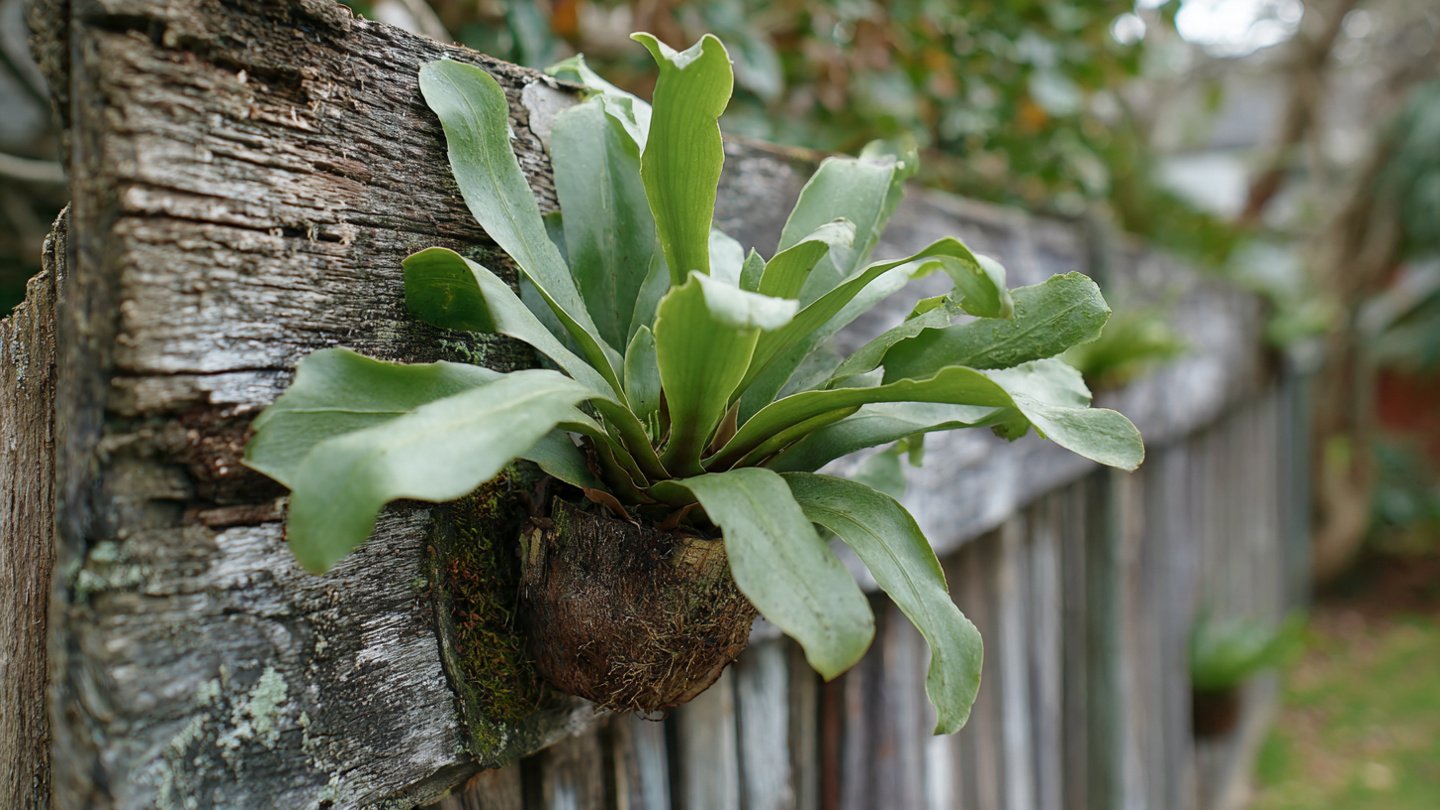
Staghorn ferns, known scientifically as Platycerium species, are striking epiphytic plants famous for their unique antler-shaped fronds and lush green presence. Unlike typical garden plants, staghorn ferns grow naturally on trees, absorbing moisture and nutrients from the air. This makes them perfect for mounting outdoors, creating eye-catching vertical displays or enhancing garden aesthetics. For gardeners seeking a low-maintenance, dramatic addition to their outdoor spaces, mounting staghorn ferns offers a rewarding and surprisingly easy method. This guide provides a comprehensive, step-by-step approach to mounting staghorn ferns outdoors, suitable for both beginners and experienced enthusiasts.
Why Mount Staghorn Ferns Outdoors?
Mounting staghorn ferns outdoors is not only visually appealing but also beneficial for the plant’s health:
- Natural Growth Habit: Staghorn ferns naturally grow epiphytically, clinging to trees, rocks, or other structures. Mounting replicates their natural environment.
- Space-Saving: Ideal for small gardens or patios, vertical mounting frees up ground space.
- Dramatic Display: Mounted ferns become living art, serving as striking focal points.
- Low Maintenance: Once established, mounted staghorns require minimal care and can thrive with occasional watering and fertilization.
- Improved Airflow: Mounted plants benefit from better air circulation, reducing the risk of fungal diseases.
Outdoor mounting combines aesthetics, practicality, and plant well-being.
Choosing the Right Staghorn Fern
Selecting the appropriate species or variety is key for successful mounting:
- Platycerium bifurcatum: Hardy and easy to grow, ideal for beginners.
- Platycerium superbum: Larger fronds, impressive display for spacious gardens.
- Platycerium willinckii: Unique, deeply lobed fronds for a dramatic effect.
Choose a variety based on your garden size, climate, and desired aesthetic impact.
Selecting a Mounting Surface
Staghorn ferns can be mounted on various surfaces that mimic their natural epiphytic habitat:
- Wooden Boards: Cedar or redwood boards are rot-resistant and provide a sturdy mount.
- Tree Trunks or Branches: Offer a natural look while supporting the fern securely.
- Wire Mesh Frames: Allow flexibility in shaping the mount and drainage.
- Cork Bark: Lightweight and textured, ideal for smaller ferns.
Ensure the mounting surface is sturdy, weather-resistant, and has good airflow to support healthy growth.
Materials Needed for Mounting
Gathering the right materials simplifies the process and ensures stability:
- Wooden board, cork, or tree branch
- Sphagnum moss or coconut coir for padding and moisture retention
- Fishing line, nylon thread, or plant wire for securing the fern
- Screws, hooks, or nails for attaching the mount to a wall, tree, or structure
- Water spray bottle for regular hydration
Having all materials ready before starting streamlines the mounting process.
Step-by-Step Guide to Mounting Staghorn Ferns
Step 1: Prepare the Fern
- Remove the fern carefully from its pot, preserving as much of the root ball and basal fronds (shield fronds) as possible.
- Trim any dead or damaged fronds, leaving healthy leaves intact.
Step 2: Prepare the Mounting Surface
- Lay a thick layer of sphagnum moss or coconut coir on the mounting surface to retain moisture.
- Secure the moss with wire or string to prevent it from slipping.
Step 3: Position the Fern
- Place the fern with the basal shield (round, flat fronds) against the moss.
- Ensure the fronds are oriented correctly, with the antler-like fronds extending outward.
Step 4: Secure the Fern
- Use fishing line, nylon thread, or plant wire to gently wrap the fern to the mount.
- Avoid overly tight wrapping, which could damage the fronds.
- Check that the fern is stable and supported but still has room to grow.
Step 5: Mounting Outdoors
- Attach the mount to a wall, tree, fence, or pergola using hooks, screws, or nails.
- Choose a location with partial shade, as direct sunlight can scorch fronds.
- Ensure the mount is protected from strong winds, which may dislodge the fern.
Caring for Mounted Staghorn Ferns Outdoors
Proper care ensures your mounted fern thrives for years:
Watering
- Mounted ferns rely on air moisture and the moss around the roots.
- Mist the fern 2–3 times per week during dry periods.
- Soak the moss thoroughly once every 1–2 weeks for deep hydration.
Fertilization
- Use a water-soluble fertilizer diluted to half strength every 4–6 weeks during the growing season.
- Apply directly to the moss and fronds to stimulate growth.
Light Requirements
- Provide bright, indirect light or filtered sunlight.
- Avoid direct afternoon sun, which can burn fronds.
Maintenance
- Remove dead or yellowing fronds to encourage healthy growth.
- Check wire or ties periodically and adjust as the fern grows.
Regular care ensures vigorous growth, lush fronds, and extended lifespan.
Common Problems and How to Solve Them
- Fronds Browning or Drying: Often caused by insufficient water or excessive sunlight. Increase misting or relocate to partial shade.
- Fronds Drooping: May indicate poor mounting support or underwatering. Check moss and ties.
- Pest Infestation: Aphids, scale insects, or mealybugs can appear. Treat with neem oil or insecticidal soap.
- Fungal Issues: Overwatering and poor airflow can cause rot. Ensure good drainage and avoid prolonged wet conditions.
Early identification and correction of issues keep mounted ferns healthy and thriving.
Advantages of Outdoor Mounting
- Space-Saving: Perfect for vertical gardening, small yards, or balcony displays.
- Enhanced Aesthetic: Creates a natural, tropical look in any garden or patio.
- Healthier Growth: Air circulation and natural orientation improve frond quality.
- Low Maintenance: Once established, mounted ferns require minimal care.
- Versatile Display Options: Can be mounted on walls, trees, fences, pergolas, or garden structures.
Mounting staghorn ferns transforms ordinary outdoor spaces into vibrant, lush environments.
Creative Mounting Ideas
- Garden Wall Art: Mount multiple ferns on a wooden panel for a living vertical garden.
- Tree Attachments: Attach ferns to tree trunks for a natural epiphytic display.
- Hanging Mounts: Suspend ferns with ropes or chains for a floating, sculptural effect.
- Mixed Plant Displays: Combine with orchids, bromeliads, or mosses for a tropical garden corner.
Creative placement enhances both aesthetics and plant health.
Conclusion
Mounting staghorn ferns outdoors is a simple yet highly rewarding gardening hack. By understanding their natural epiphytic habits, choosing the right mounting surface, providing consistent care, and following proper watering and fertilization routines, gardeners can enjoy healthy, thriving ferns year-round. Mounted staghorn ferns not only add a dramatic focal point to gardens, patios, or balconies but also offer low-maintenance, space-saving greenery.
With patience and attention to proper mounting techniques, even beginners can create stunning outdoor displays, transforming ordinary garden spaces into lush, tropical paradises.